Mitigating the Impact of a Potential DHS Shutdown: Strategies for Homeland Security Secretary Kristi Noem
Immigration and border security agencies may not be as severely impacted by a funding lapse compared to other parts of the department. Homeland Security Secretary Kristi Noem could employ creative strategies to mitigate the effects of a potential shutdown. For instance, she could use funds from previous legislation to ensure that DHS law enforcement personnel and Coast Guard members continue to receive paychecks during a shutdown. This could alleviate pressure on lawmakers as negotiations continue regarding the Trump administration's immigration enforcement policies.
The Trump administration's immigration and border security operations are central to the partisan disagreement that could lead to a shutdown. However, the federal government's immigration-focused agencies, including Immigration and Customs Enforcement, Customs and Border Protection, and U.S. Citizenship and Immigration Services, have a significant portion of their funding unaffected by a lapse. These agencies receive mandatory funds, revenue from fees, and billions of dollars from previous legislation, reducing the impact of a funding lapse on their operations.
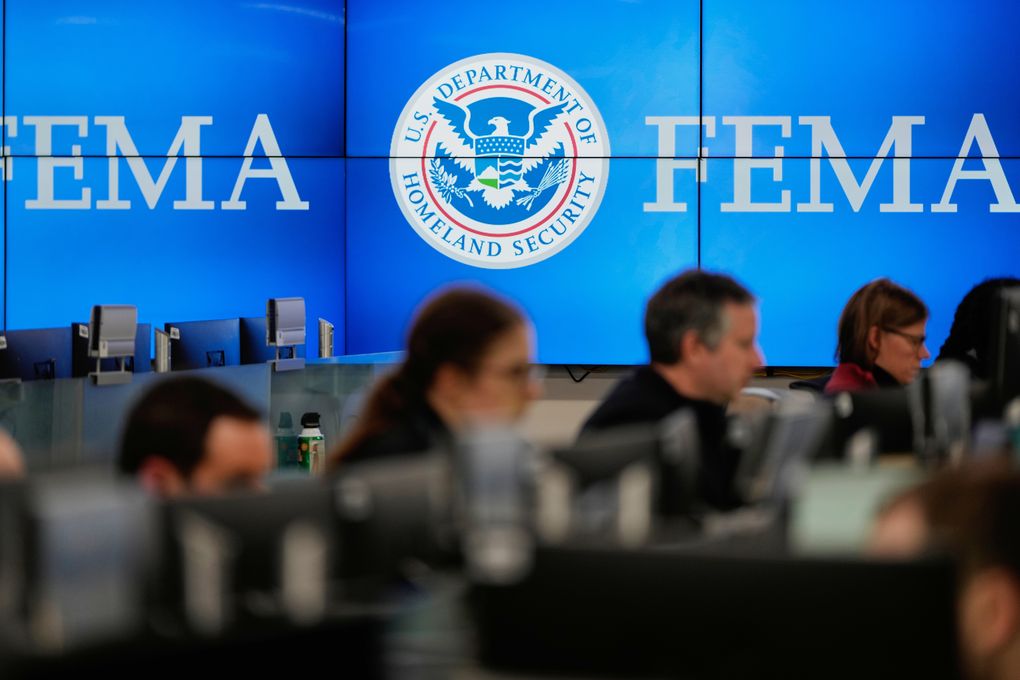
In the event of a shutdown, TSA airport screeners could face delayed paychecks, potentially leading to longer wait times at security checkpoints. While FEMA has sufficient funds in its disaster relief fund to sustain operations for a period of time, the agency may need to restrict reimbursements to states. The Coast Guard's essential missions would continue during a funding lapse, but certain activities, such as family support services and cutter acquisitions, may be halted.
During the previous shutdown, DHS utilized funds from a previous legislation to pay thousands of workers, including law enforcement personnel and Coast Guard members. If another shutdown occurs, the department could continue to use these funds for several months before exhausting the account. However, Coast Guard contractors and non-active duty employees were not paid during the previous shutdown, and contractors are not guaranteed back pay.
The Cybersecurity and Infrastructure Security Agency (CISA) plays a crucial role in protecting U.S. networks from cyber threats. However, the agency's workforce has been significantly reduced over the past year, limiting its ability to assist state and local officials in defending against cyber threats. The Trump administration has designated only a third of federal workers at CISA as essential during a shutdown, further impacting the agency's operations.
In conclusion, while immigration and border security agencies may have some safeguards in place to mitigate the effects of a funding lapse, a potential shutdown could still impact critical operations within the Department of Homeland Security. It is essential for lawmakers to reach a resolution to avoid disruptions to vital services and ensure the security of the nation.