Mastering the Mind: The Power of Visualization for Bobsleigh, Luge, and Skeleton Athletes at the 2026 Milan Cortina Olympics
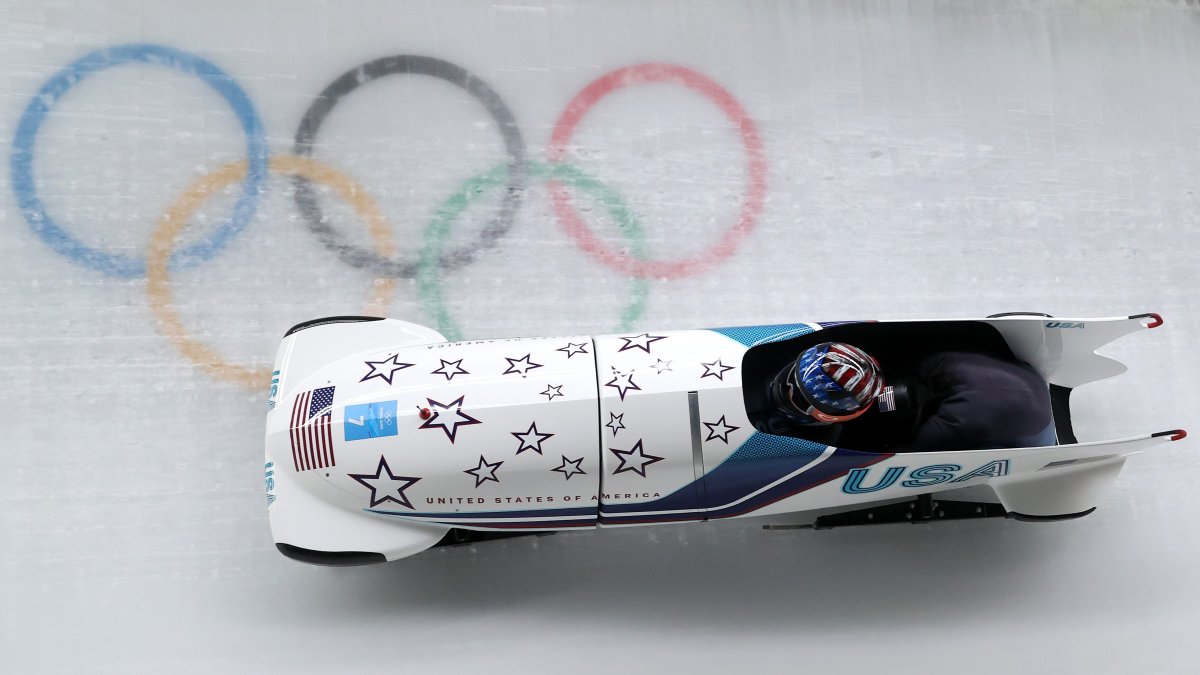
Visualization has become a crucial tool for athletes competing in bobsleigh, luge, and skeleton at the 2026 Milan Cortina Olympics. Due to limited access to actual tracks, athletes are turning to mental rehearsal to prepare for the high speeds and split-second decisions required in their sports. Team USA's Kaillie Humphries, a seasoned bobsledder, emphasizes the challenge of limited on-track time and the importance of visualization in her training routine.
Humphries, with over two decades of experience in the sport, acknowledges that she has only spent a fraction of that time actually sliding down the bobsled track. Given the short duration of each run and the limited number of runs athletes can complete in a year, visualization becomes a valuable tool for building the necessary muscle memory and mental preparation. By mentally navigating the track with closed eyes, athletes like Humphries can stay sharp and maintain the sensations crucial for optimal performance.
Athletes in bobsleigh, luge, and skeleton often rely on visualization to familiarize themselves with every curve, angle, and pressure point of a course well before they physically tackle it. This mental practice allows them to simulate the physical sensations of a real run, including gravity, vibrations, and timing. Some athletes, like Italian skeleton competitor Amedeo Ferlazzo, even use unconventional methods like practicing in a bathtub to mimic the sled's movements off the ice.
Olympic champion Christopher Grotheer and other top competitors have adopted visualization techniques to enhance their performance. Grotheer, known for spending evenings lying on his sled and mentally rehearsing each movement, believes that this mental preparation translates into better execution on the track the next day. As the Winter Olympics progress, athletes are increasingly relying on visualization as a skill that can make the difference between a flawless run and costly errors.
In conclusion, visualization has emerged as a critical component of training for bobsleigh, luge, and skeleton athletes at the 2026 Milan Cortina Olympics. With limited on-track time, mental rehearsal allows competitors to build muscle memory, maintain sensations, and simulate the physical demands of their sports. By incorporating visualization into their training routines, athletes aim to optimize their performance and achieve success on the icy tracks of the Winter Olympics.