Climate Crisis Fuels Devastating Wildfires in Chile and Argentina: Urgent Call for Action
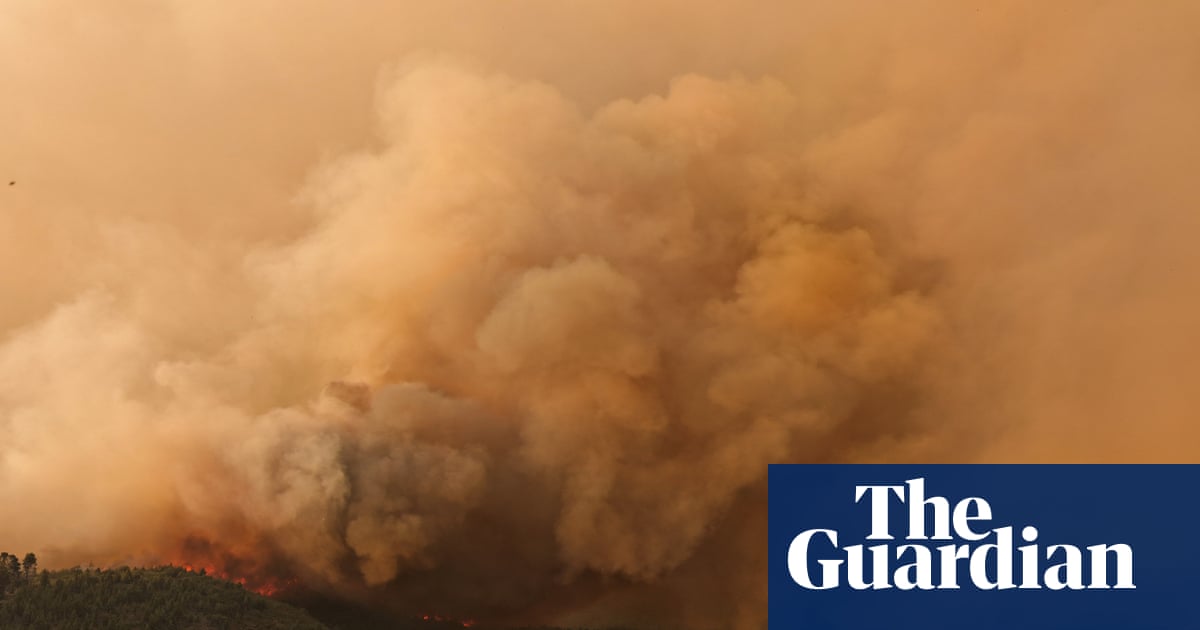
The devastating wildfires in Chile and Argentina that claimed 23 lives and destroyed ancient forests have been linked to the climate crisis, according to researchers. The World Weather Attribution (WWA) consortium found that the hot, dry, and windy conditions that fueled the fires were made three times more likely by global heating. Human-caused carbon emissions have led to significantly drier summers in parts of Chile and Argentina, with reduced rainfall in these regions.
In mid-January, severe wildfires ravaged the Chilean regions of Biobío and Ñuble, resulting in a state of catastrophe. The fires, driven by high temperatures and strong winds, claimed 23 lives, destroyed over 1,000 homes, and displaced 52,000 people. In Argentina, wildfires broke out in the Los Alerces national park in Patagonia, home to ancient alerce trees that can live for more than 3,000 years. The damage was exacerbated by budget cuts to fire management services by the government.
Dr. Juan Antonio Rivera emphasized the devastating impact on ancient forests and biodiversity in the region, calling for urgent action to protect the unique ecosystems. Dr. Clair Barnes highlighted the clear influence of climate change on the fires, attributing the increased likelihood of such blazes to human activities like burning fossil fuels. The scientists warned that extreme weather events would continue to escalate unless fossil fuel consumption is curbed.
The study utilized peer-reviewed methods and climate data to determine the role of global heating in exacerbating the hot, dry, and windy conditions conducive to wildfires. Non-native tree plantations in Chile, which are more flammable than native trees, further worsened the situation. The proximity of these plantations to settlements has raised concerns about future wildfire risks. The researchers stressed the need for immediate action to address the climate crisis and protect vulnerable ecosystems and communities.
In conclusion, the wildfires in Chile and Argentina serve as a stark reminder of the urgent need to address the climate crisis and its devastating consequences. The link between global heating and extreme weather events, such as wildfires, underscores the importance of transitioning away from fossil fuels to mitigate future risks and safeguard our planet's biodiversity and inhabitants.