Bad Bunny's Cultural Triumph: A Super Bowl Halftime Show Celebration of Latino Identity and Puerto Rican Heritage
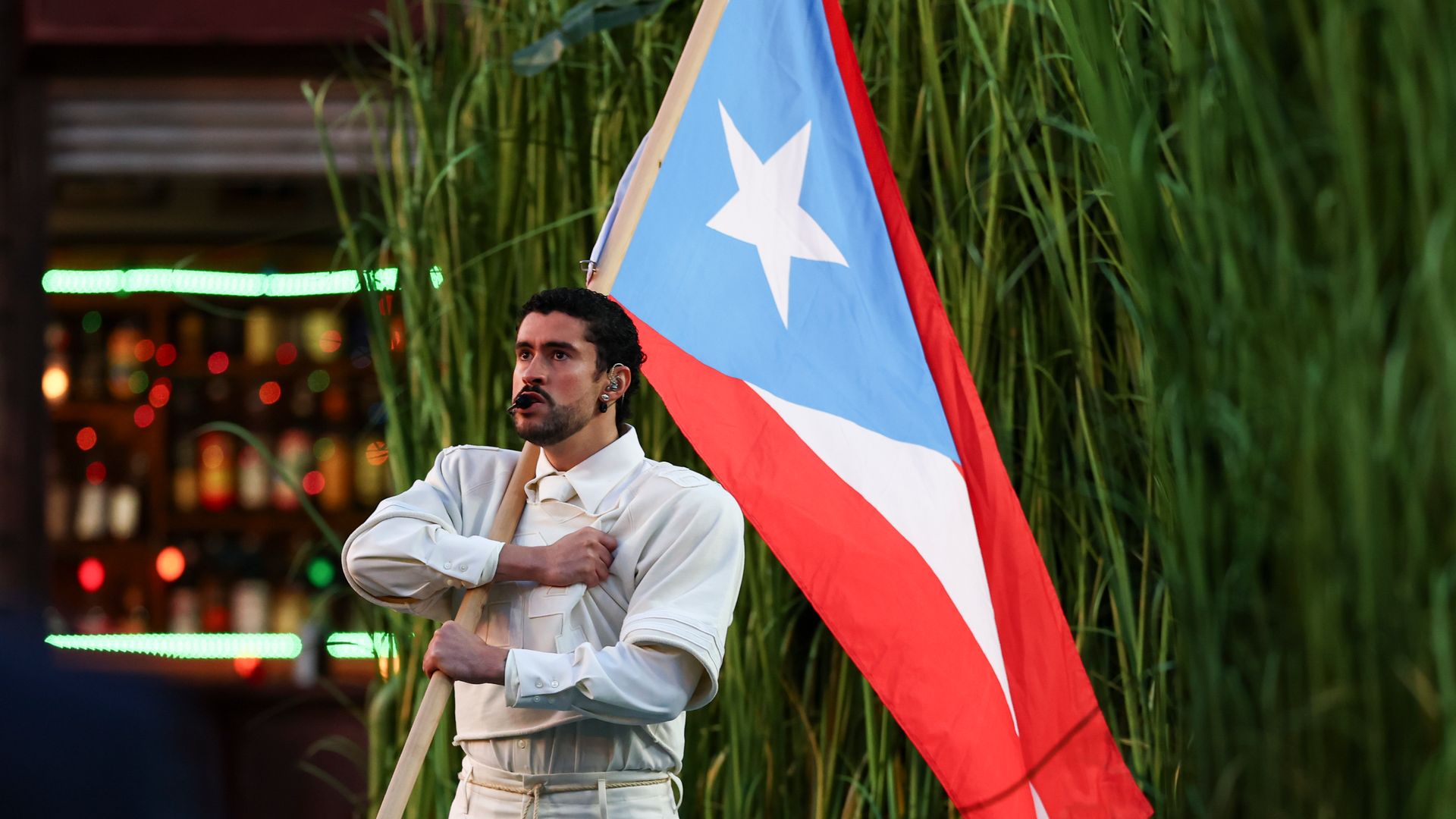)
Bad Bunny took center stage at the 2026 Super Bowl halftime show, delivering a culturally rich performance that celebrated Latino identity and Puerto Rican heritage. Through a narrative-driven production filled with visual metaphors and community references, the Grammy-winning artist used the NFL's platform to showcase the island's history and political reality. This marked the first predominantly Spanish-language performance in Super Bowl history, with Bad Bunny becoming the first Spanish-language Latin solo artist to headline the event.
The performance was a vibrant tapestry of reggaeton, salsa, and hip hop, featuring songs like “Tití Me Preguntó,” “Yo Perreo Sola,” and “EoO.” Bad Bunny's setlist highlighted themes of love, unity, and resilience, culminating in a powerful message that America encompasses more than just the United States. The show incorporated elements of Puerto Rican culture, from sugar cane fields and traditional pava hats to references to endangered species and generational storytelling.
Throughout the performance, Bad Bunny paid homage to his roots and the genre of reggaeton that shaped him. He included snippets of iconic songs by Daddy Yankee, Tego Calderón, and Don Omar, acknowledging the foundational figures of the genre. The show also featured special appearances by Latino stars like Pedro Pascal, Cardi B, and Ricky Martin, adding to the celebration of Latinx culture and community.
By infusing his performance with symbolism and social commentary, Bad Bunny transformed the Super Bowl halftime show into a poignant cultural statement. Through music, fashion, and storytelling, he highlighted the importance of heritage, migration, and love as a form of resistance. The performance was not just a spectacle but a reflection of identity and pride, resonating with audiences across the Americas and beyond.