Bad Bunny's Super Bowl Halftime Show: Celebrating Latin Culture on a Global Stage
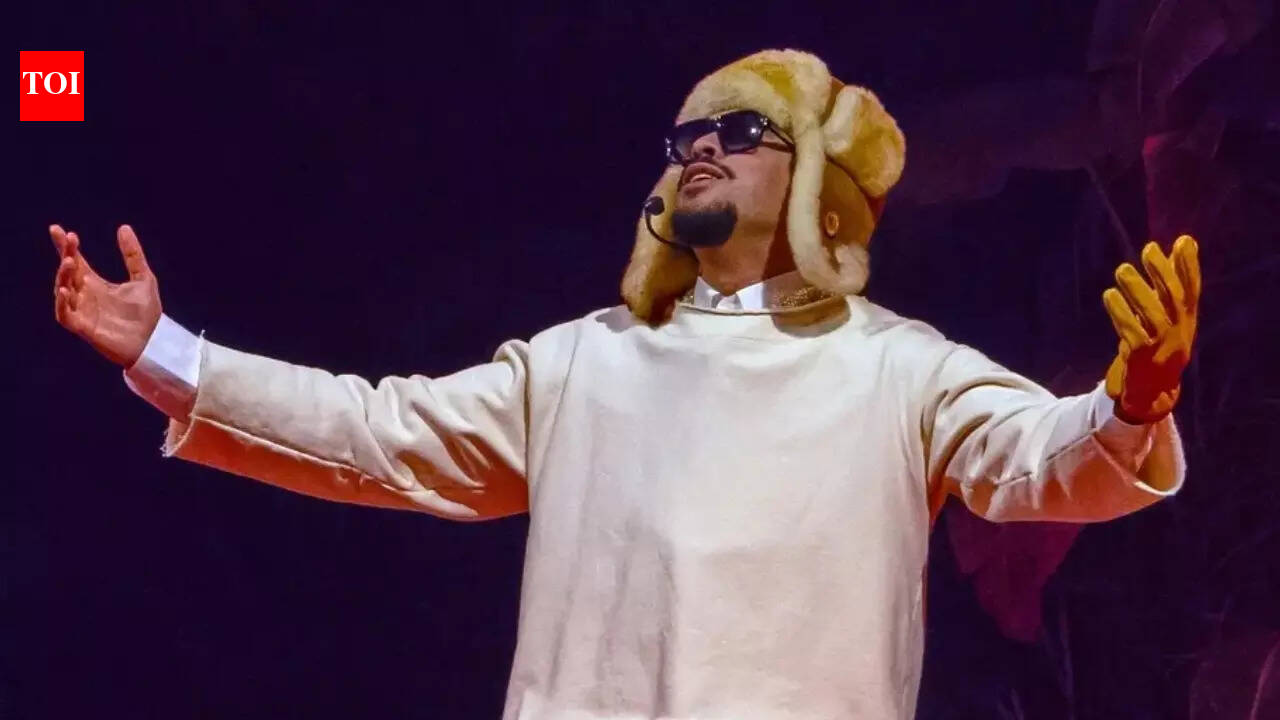
As excitement mounts for Bad Bunny's upcoming performance at the Super Bowl LX halftime show, the Puerto Rican sensation has garnered widespread support from the entertainment industry. Katy Perry, a former Super Bowl halftime headliner, shared words of encouragement for the Grammy-winning artist on social media. Bad Bunny's recent Grammy win for Album of the Year with his all-Spanish album Debi Tirar Mas Fotos has further solidified his place in music history.
Despite some controversy surrounding his selection for the halftime show, notable figures like Jennifer Lopez and Shakira have praised Bad Bunny's artistry and the significance of his performance on a global stage. With an estimated audience of over 120 million viewers, the Super Bowl halftime show will showcase Bad Bunny's talent and cultural heritage to a massive audience.
In his hometown of San Juan, fans eagerly await Bad Bunny's performance, proud to see a fellow Puerto Rican artist achieve international success while staying true to his roots. The artist's rise to fame has also sparked discussions about the representation of Latin music and culture in mainstream media, with Bad Bunny's performance taking on a symbolic and political dimension in the United States.
As Bad Bunny prepares for his 13-minute halftime show, fans can expect a celebration of his culture and music. While the setlist remains a mystery, the artist promises a lively and entertaining performance that transcends language barriers. With the potential for surprise guests and collaborations, Bad Bunny's halftime show is poised to be a memorable moment for Latin music on one of the world's biggest stages.
In the midst of anticipation and excitement, fans and supporters hope for a successful and impactful halftime show that showcases the richness and diversity of Latin culture. As Bad Bunny prepares to take the stage at the Super Bowl, his performance represents a significant moment for Latino artists and immigrants in the United States, highlighting the importance of cultural representation and diversity in the music industry.