Balancing Act: Navigating the Visual Landscape of Film in the Digital Age
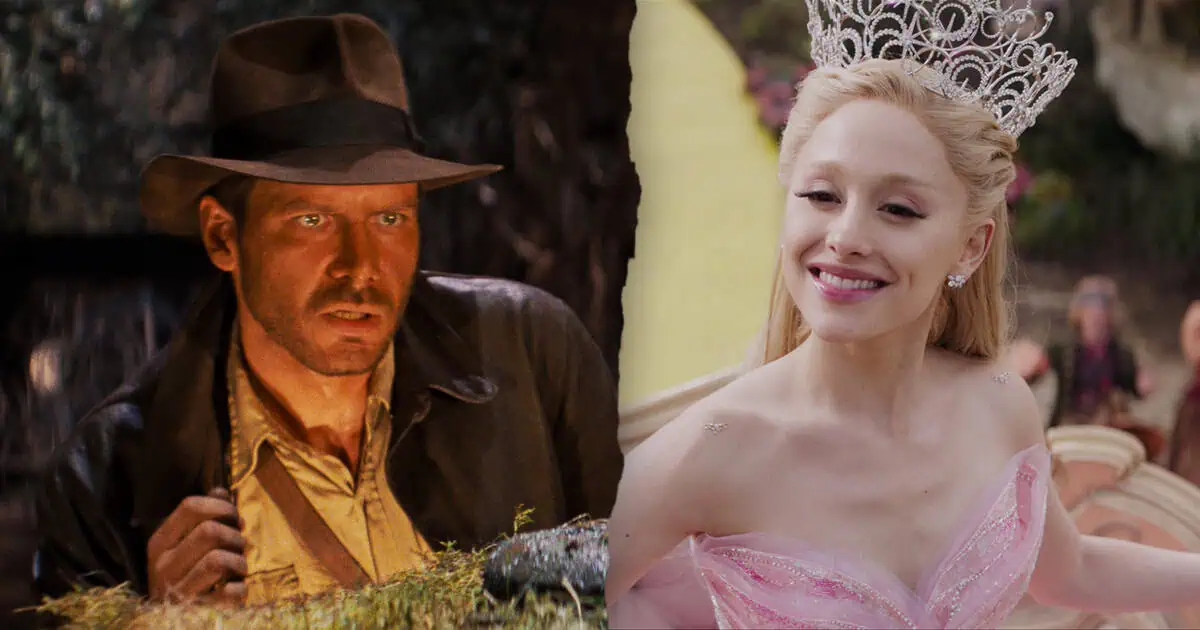
The transition from photochemical film to digital filmmaking has changed the visual landscape of movies. While digital technology offers sharp and clean images, many audiences feel that the cinematography lacks the unique texture and character of traditional film. The shift to digital has led to a homogenization of visuals in movies, with low contrast, soft lighting, and a lack of distinctiveness.
Filmmakers used to carefully plan and compose shots on film due to its high cost, resulting in visually striking and intentional frames. In contrast, digital filmmaking is faster and more cost-effective, leading to rushed workflows and minimal post-production time. This has contributed to the interchangeable look of many modern movies, with the common reliance on fixing issues in post-production.
There has been a trend towards natural colors and lighting in digital filmmaking, which can sometimes result in a lack of bold colors, deep shadows, and expressive darkness found in older cinema. While this approach may work for some films, it can lead to a compromise in visual impact for the sake of convenience and global audience appeal. The emphasis on "good enough" visuals may detract from the immersive experience of a film.
Some movies, like "Wicked," have faced criticism for their muted color grading, which deviates from the vibrant imagery associated with their source material. Director Jon M. Chu defended the decision, citing the desire to create a more realistic portrayal of the film's world. However, the argument that heightened color undermines realism in cinema is debatable, as the real world can be visually striking and intense.
While the debate between film and digital filmmaking continues, it's essential to recognize that both mediums have their strengths and weaknesses. Directors like Christopher Nolan and Quentin Tarantino continue to champion film, while digital cinematography has produced visually stunning films like "Blade Runner 2049" and "Mad Max: Fury Road." The issue lies not in the technology itself but in how it is utilized and the creative choices made by filmmakers.
Ultimately, the challenge for modern cinema is to strike a balance between accessibility and visual distinctiveness. While digital technology offers efficiency and flexibility, it should not come at the cost of sacrificing the unique visual language that once defined films. By embracing the creative possibilities of both film and digital, filmmakers can continue to push the boundaries of visual storytelling and create memorable cinematic experiences.