Title: "White House Policy Shift: President Trump's Expanded Authority Over Federal Employees Sparks Controversy and Legal Challenges
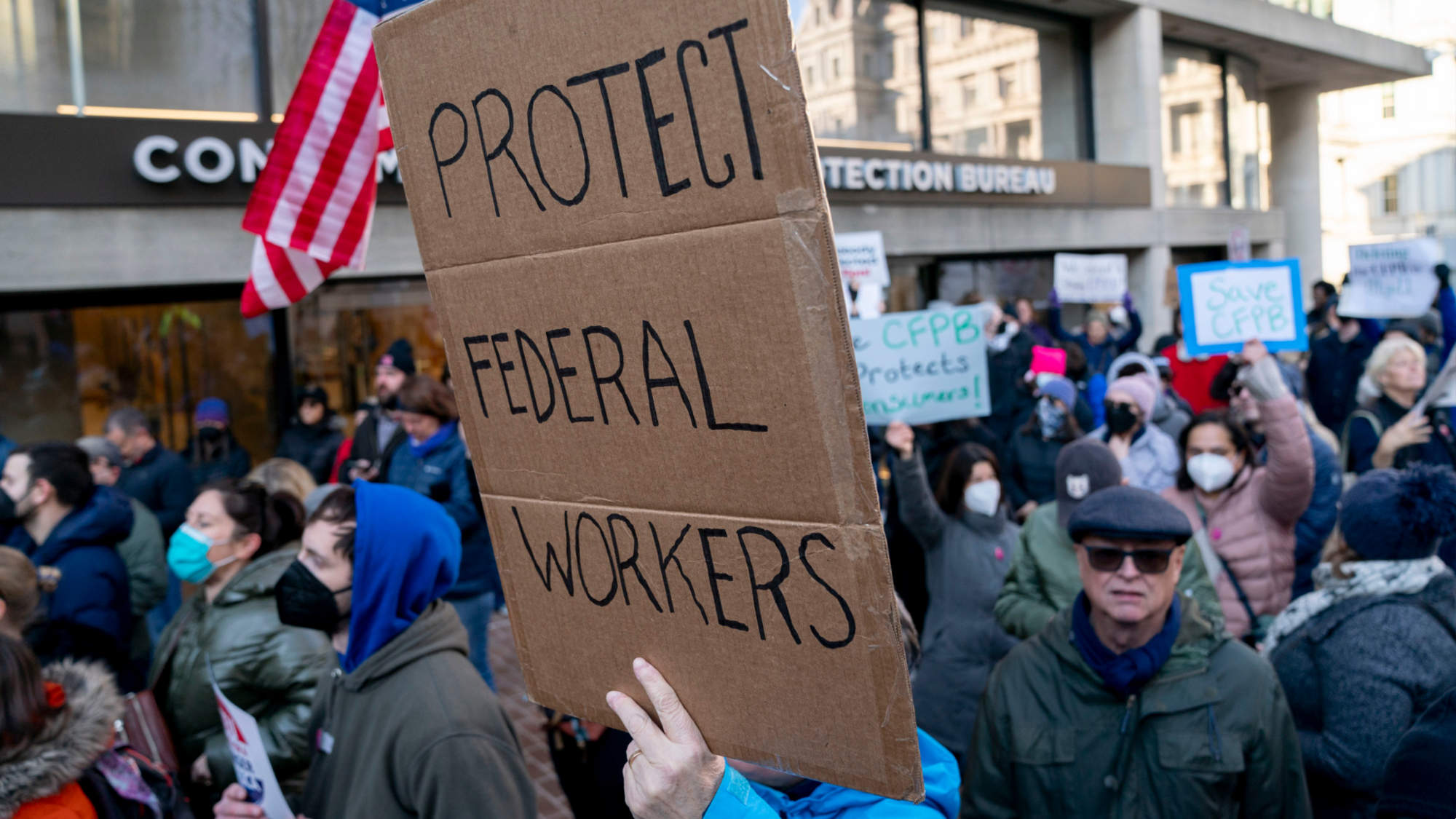
The White House has implemented a new policy that grants President Donald Trump the authority to dismiss or discipline approximately 50,000 career federal employees without cause, placing them in the same category as political appointees. This policy, outlined in a 255-page document by the Office of Personnel Management, removes longstanding job protections, including those for whistleblowers, from employees in policy-related roles. Trump will have the discretion to determine which positions will be reclassified under this new rule.
This significant change impacts around 2% of the federal workforce and represents the most substantial alteration to civil service regulations in over a century. The policy specifically targets employees perceived to be working against the president's agenda. The civil service protections established in the 19th century aimed to create a professional workforce insulated from partisan influence, transforming federal employment from a partisan system to a merit-based one.
The division between career employees and political appointees was intentionally created by Congress to ensure that career officials could provide unbiased information to policymakers without fear of reprisal. While the new rule from OPM claims to prohibit political patronage and discrimination, critics question the administration's commitment to these principles given past retaliatory actions, including the dismissal of whistleblowers.
Under the revised policy, reclassified employees will no longer have the option to report misconduct, such as legal violations or financial mismanagement, to the independent Office of the Special Counsel. Instead, they will be required to address their concerns internally within their agencies, undermining the protections afforded by the Whistleblower Protection Act. This change has been criticized as diminishing the ability of employees to report wrongdoing without fear of repercussions.
Legal challenges have already been mounted against the new policy, with federal worker advocates arguing that it violates a 1978 law safeguarding job protections for career federal employees and restricting at-will employment to political appointees. Trump's previous efforts to replace nonpartisan civil servants with ideologically aligned individuals have resulted in numerous legal disputes, with 61 active challenges remaining as of the latest count.
In conclusion, the White House's decision to overhaul civil service regulations and grant the president greater authority over career federal employees has sparked controversy and legal challenges. The implications of this policy shift on the federal workforce and the protection of whistleblowers remain subjects of ongoing debate and scrutiny.