Critical Talks: Iran-U.S. Negotiations in Oman on Tehran's Nuclear Program
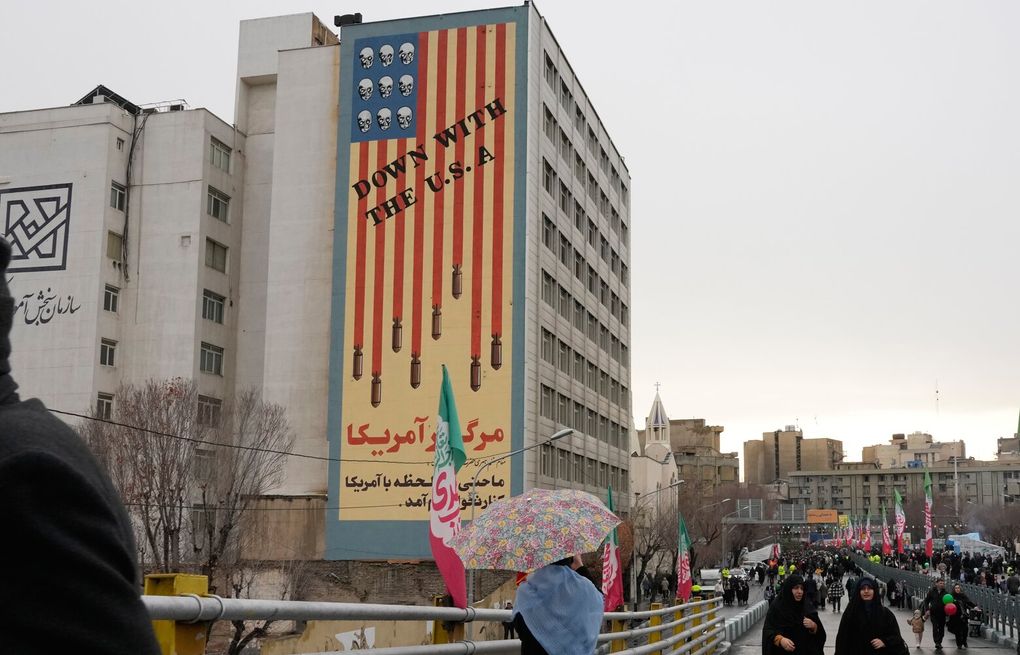
Iran and the United States are set to engage in negotiations in Oman regarding Tehran's nuclear program. The talks come after a tumultuous period that initially planned for regional countries to participate in discussions in Turkey. The two nations have returned to Oman, located on the eastern edge of the Arabian Peninsula, following previous meetings that were disrupted by Israel's military actions against Iran. The U.S. conducted airstrikes on Iranian nuclear facilities during the conflict, potentially damaging key equipment. The recent unrest in Iran, marked by nationwide protests, has weakened the country's leadership, prompting renewed diplomatic efforts.
The U.S. has deployed military assets in the region, including the aircraft carrier USS Abraham Lincoln, amid escalating tensions with Iran. While the U.S. possesses significant military capabilities, the outcome of any potential military action remains uncertain. Gulf Arab nations are concerned about being drawn into a broader conflict, as demonstrated by recent incidents in the region involving U.S. and Iranian forces. President Trump aims to pressure Iran into making concessions on the nuclear deal through negotiations, taking advantage of Iran's vulnerabilities.
The specifics of the upcoming talks in Muscat, Oman, are still unclear, with concerns raised about the presence of cameras at the negotiation venue. Iranian Foreign Minister Abbas Araghchi and U.S. Mideast special envoy Steve Witkoff are expected to lead their respective delegations. The terms of the negotiations, particularly regarding Iran's nuclear program and ballistic missiles, remain contentious. While Iran has indicated a willingness to discuss its nuclear activities, other issues such as regional militias and missile capabilities may complicate the talks. The outcome of the negotiations could have significant implications for regional stability and security.
In conclusion, the upcoming negotiations between Iran and the United States in Oman represent a critical opportunity to address longstanding tensions and reach a diplomatic resolution. The complex dynamics surrounding Iran's nuclear program, regional security concerns, and internal unrest underscore the challenges facing both parties. The outcome of the talks will shape the future trajectory of U.S.-Iran relations and regional stability in the Middle East.