Forgotten '80s Sitcoms: Once-Popular Shows That Have Faded from Memory
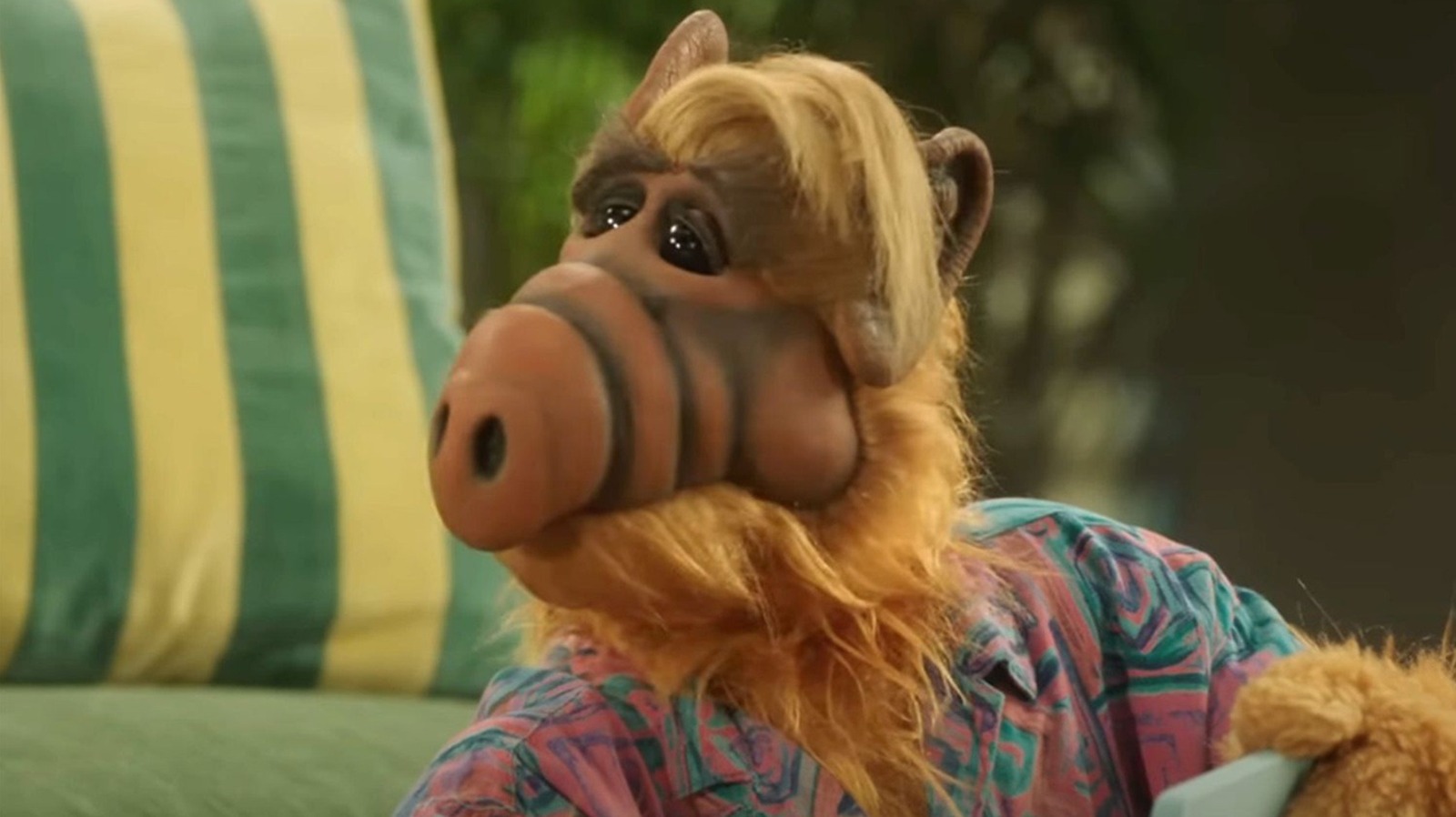
The 1980s were not only known for its music and fashion but also for some iconic sitcoms. Looper's list of the top 10 '80s sitcoms showcases the variety and popularity of shows from that era. However, not all sitcoms that were once popular have stood the test of time. Some '80s sitcoms have faded into obscurity for various reasons, such as syndication issues, outdated premises, or controversies that tarnished their legacy. The unpredictable nature of the television industry has relegated these once-popular shows to the sidelines of pop culture history.
"Kate & Allie" was a sitcom that revolved around two divorced moms, Kate and Allie, raising their kids together in Greenwich Village. Despite its initial success and high viewership, the show's final season faced criticism for deviating from its original concept. The lack of a strong legacy or modern-day following has prevented "Kate & Allie" from becoming a cultural institution like some of its contemporaries.
Regina King, known for her acclaimed work in films and television, began her acting career in the '80s sitcom "227." The show, set in a Washington D.C. apartment complex, was popular during its time but has since faded from the public eye. Its dialogue-driven format and lack of major syndication airings have contributed to its obscurity, despite being a stepping stone in King's illustrious career.
"Amen," a sitcom about a deacon/lawyer living a double life, was a hit for NBC in the '80s but has since been largely forgotten. The show's lack of critical acclaim and limited syndication airings have hindered its long-term appeal, despite its strong start in the 1980s. The absence of references to "Amen" in contemporary pop culture reflects its decline in relevance over the years.
"Head of the Class," a sitcom set in a Manhattan high school, tackled various social issues during its run in the '80s. Despite its initial success and high viewership, the show's cast changes and dated references have made it less accessible to modern audiences. The show's focus on then-current events has also contributed to its decline in popularity over time.
Leonardo DiCaprio's early acting career included a role in the sitcom "Growing Pains," which was a ratings powerhouse in the late '80s. However, the show's association with dark stories and controversies has overshadowed its past success. The lack of a dedicated fanbase or modern-day presence has relegated "Growing Pains" to a footnote in DiCaprio's career.
"Alice," based on Martin Scorsese's film "Alice Doesn't Live Here Anymore," was a long-running sitcom in the '80s but has since faded from public memory. The show's limited availability for streaming and lack of cultural relevance have contributed to its decline in popularity. Despite its extensive episode count, "Alice" remains a relic of '70s properties that carried over into the '80s.
"Empty Nest," a spin-off of "The Golden Girls," enjoyed success in the '80s but failed to maintain its cultural impact over time. The show's overshadowing by its predecessor and the cast's lack of subsequent high-profile projects have contributed to its obscurity. Despite its initial popularity, "Empty Nest" has become a forgotten gem of '80s sitcoms.
"Too Close for Comfort," a sitcom centered around a newspaper cartoonist, was a hit in the early '80s but has since been relegated to obscure daytime TV slots. The show's focus on outdated cultural references and limited availability for streaming have led to its decline in popularity. Despite its initial viewership numbers, "Too Close for Comfort" has become a forgotten relic of '80s television.
In conclusion, the '80s produced a plethora of iconic sitcoms, but not all of them have stood the test of time. Factors such as syndication issues, cast changes, and outdated premises have contributed to the decline of once-popular shows. While these sitcoms may have been beloved in their heyday, their obscurity in modern pop culture history serves as a reminder of the ever-changing landscape of television.