Protecting Free Speech: The Battle Between Senator Mark Kelly and the Trump Administration
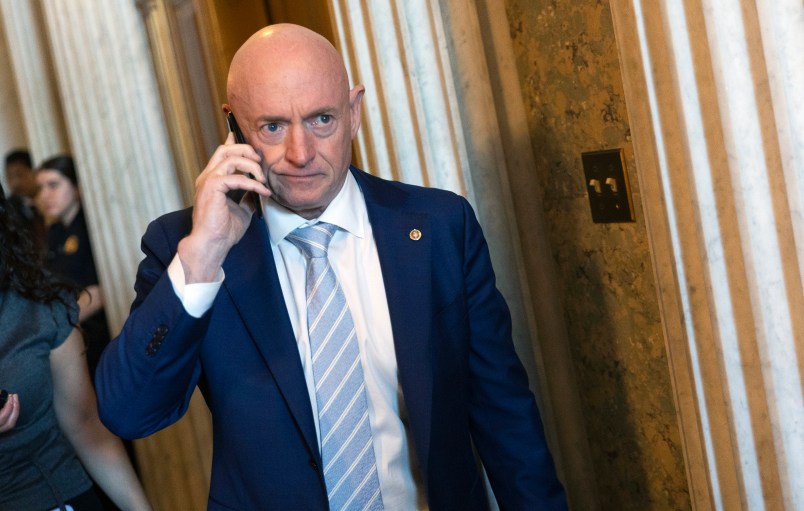
A federal district court judge in Washington, DC, expressed surprise at the Trump Justice Department's request to restrict Senator Mark Kelly's First Amendment rights for criticizing the administration. The judge questioned the unprecedented nature of the request during a hearing, highlighting the potential implications for retired military members like Kelly. The administration argued that the speech restrictions applicable to active-duty military should also apply to Kelly, who is retired, a stance that the judge found concerning.
During the hearing, Judge Richard Leon raised concerns about the Trump administration's proposed rule that could penalize retired military members serving in Congress for speaking out against the Pentagon. The case specifically focused on Kelly, who faced potential demotion and loss of retirement benefits for advising military personnel not to follow illegal orders in a video. The judge questioned how members of the Armed Services committees could effectively perform their duties under such restrictions, noting the broader impact on retired military members' free speech rights.
Following the hearing, Senator Kelly addressed reporters outside the courthouse, criticizing Defense Secretary Pete Hegseth's actions against him and the broader pattern of the administration targeting First Amendment rights. Kelly emphasized that his statements were part of his role as a senator and expressed concern about the administration's efforts to silence dissent. The case highlighted the ongoing challenges faced by retired military members like Kelly in exercising their free speech rights without fear of reprisal.
In conclusion, the legal battle between Senator Mark Kelly and the Trump administration underscores the importance of protecting free speech rights, especially for retired military members serving in public office. The case raises questions about the balance between national security interests and individuals' ability to speak out against government actions. The outcome of this case could have far-reaching implications for the rights of retired military personnel and elected officials to engage in public discourse without facing punitive measures.