Unrest in Balochistan: Coordinated Attacks and Insurgent Violence
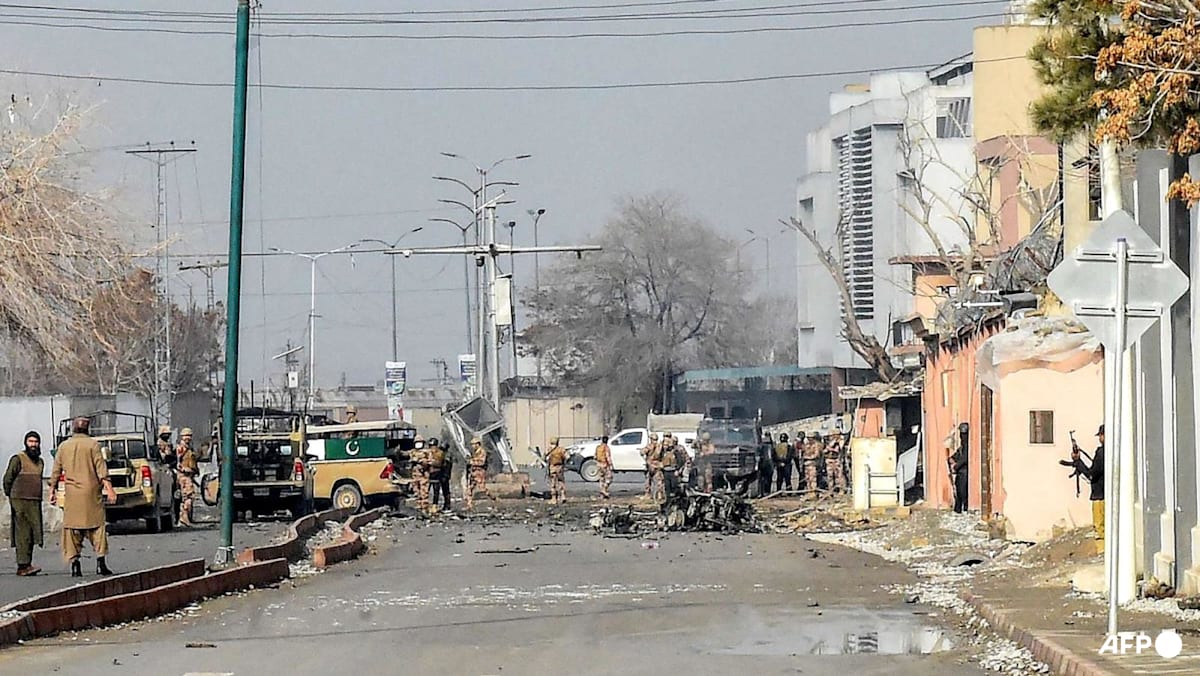
A series of coordinated attacks by ethnic Baloch separatists in Pakistan's Balochistan province resulted in the deaths of 10 security officials and 37 militants. The attacks targeted multiple locations across the province, including Quetta, Pasni, Mastung, Nushki, and Gwadar districts. The violence is part of a long-standing separatist insurgency in Balochistan, where militants often target state forces, foreign nationals, and non-locals due to the region's mineral-rich resources and strategic location bordering Afghanistan and Iran.
The attacks, which involved gun and suicide bombings, were described as coordinated but poorly executed by senior security and military officials. Despite the disruption caused by the attacks, the security response was effective in thwarting the militants' plans. The Baloch Liberation Army, a prominent separatist group in the region, claimed responsibility for the attacks, stating that their targets included military installations and government officials.
These incidents follow recent military operations that resulted in the deaths of 41 insurgents in Balochistan. The province, despite its abundance of natural resources, remains the poorest in Pakistan and faces challenges in education, employment, and economic development. Baloch separatists have targeted individuals from other provinces working in the region and foreign energy companies, accusing them of exploiting Balochistan's resources to the detriment of local residents.
The escalation of violence in Balochistan underscores the ongoing challenges faced by the region and the need for sustainable solutions to address the grievances of the local population. The attacks highlight the complex dynamics of the separatist insurgency and the impact it has on security and stability in Balochistan. Efforts to promote dialogue and address the underlying issues driving the conflict are essential to achieving lasting peace and development in the province.