EU Designates Iran's Revolutionary Guard Corps as Terrorist Organization: Implications and Challenges
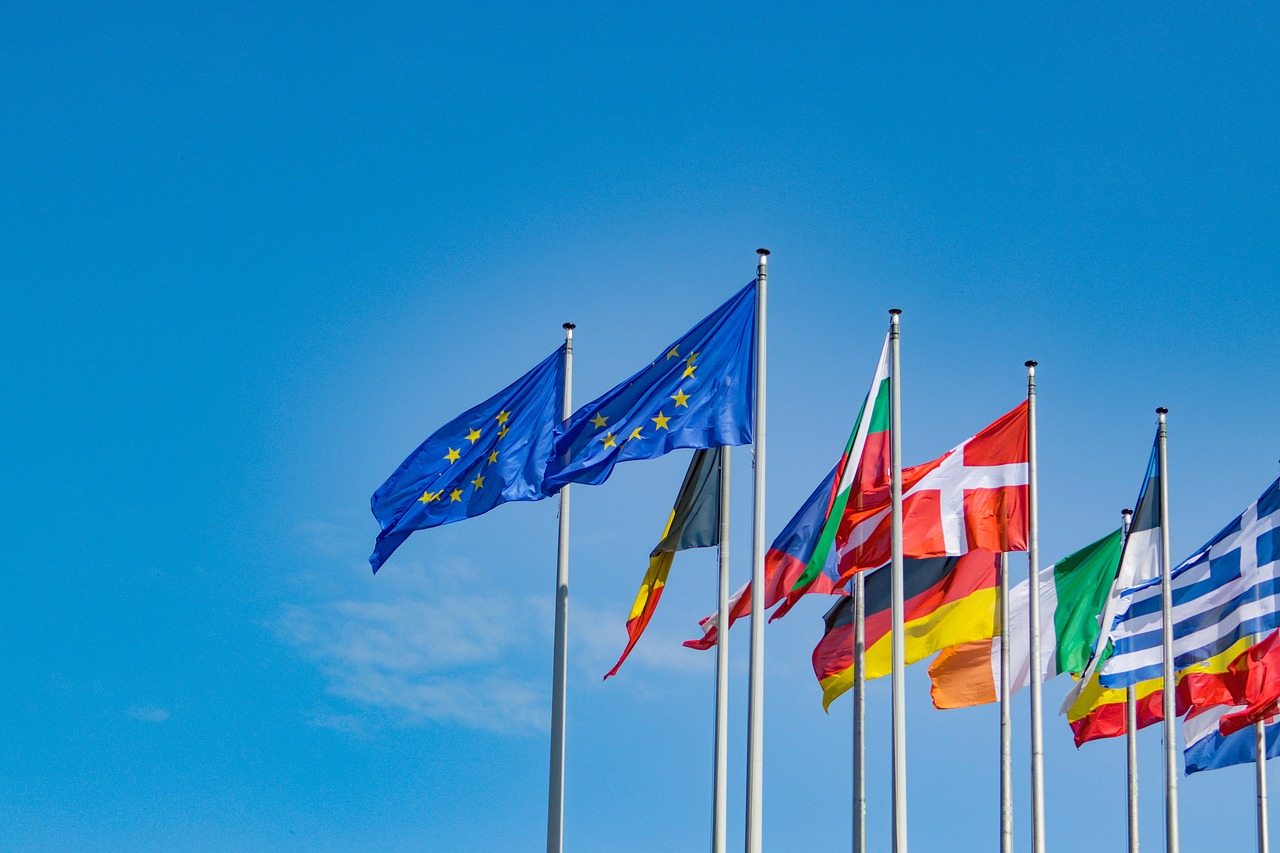
The European Union (EU) has officially labeled Iran’s Islamic Revolutionary Guard Corps (IRGC) as a terrorist organization in response to the violent crackdown on protesters that resulted in numerous deaths. The decision was made during a meeting of EU foreign ministers in Brussels, placing the IRGC within the bloc’s terrorism framework. EU officials emphasized that the designation was a direct response to the mass repression carried out by the IRGC, with EU High Representative for Foreign Affairs Kaja Kallas stating that any regime that kills its own people is on a path to self-destruction.
This move by the EU comes on the heels of recent sanctions imposed on Iranian officials and entities involved in human rights abuses and Tehran's military support for Russia in the Russia-Ukraine conflict. German Foreign Minister Johann Wadephul praised the decision, describing the Revolutionary Guard as responsible for extreme brutality against the Iranian population and engaging in destabilizing activities beyond Iran's borders, including alleged plots in Europe. Wadephul emphasized the need for swift implementation of the designation across the EU to make it legally binding.
In response to the EU's decision, Iran's Parliament passed a resolution declaring the armed forces of countries supporting the EU's move as terrorist organizations. Iranian officials warned of consequences for Europe, accusing the EU of selective outrage and strategic errors that could exacerbate regional instability and harm European interests, particularly in energy and security matters. Despite the political support for the designation, legal and diplomatic challenges remain, as Iranian authorities argue that the EU's decision lacks the necessary judicial basis required under EU law for terrorist listings.
The Islamic Revolutionary Guard Corps (IRGC) was established after Iran's 1979 Revolution to safeguard the clerical system and has since become a powerful entity within the Iranian state. The IRGC wields significant influence over the economy, oversees Iran's ballistic missile and nuclear programs, and plays a crucial role in both internal security and external military operations. The EU's designation of the IRGC as a terrorist organization marks a significant development in the ongoing tensions between Iran and the international community.
In conclusion, the European Union's decision to designate Iran's Islamic Revolutionary Guard Corps as a terrorist organization reflects a strong stance against the violent repression of protesters and human rights violations. The move underscores the EU's commitment to addressing destabilizing actions and promoting accountability for those responsible for atrocities. As legal and diplomatic challenges persist, the implications of this designation on regional dynamics and European interests remain to be seen.