New TSA Confirm ID System: What Travelers Need to Know
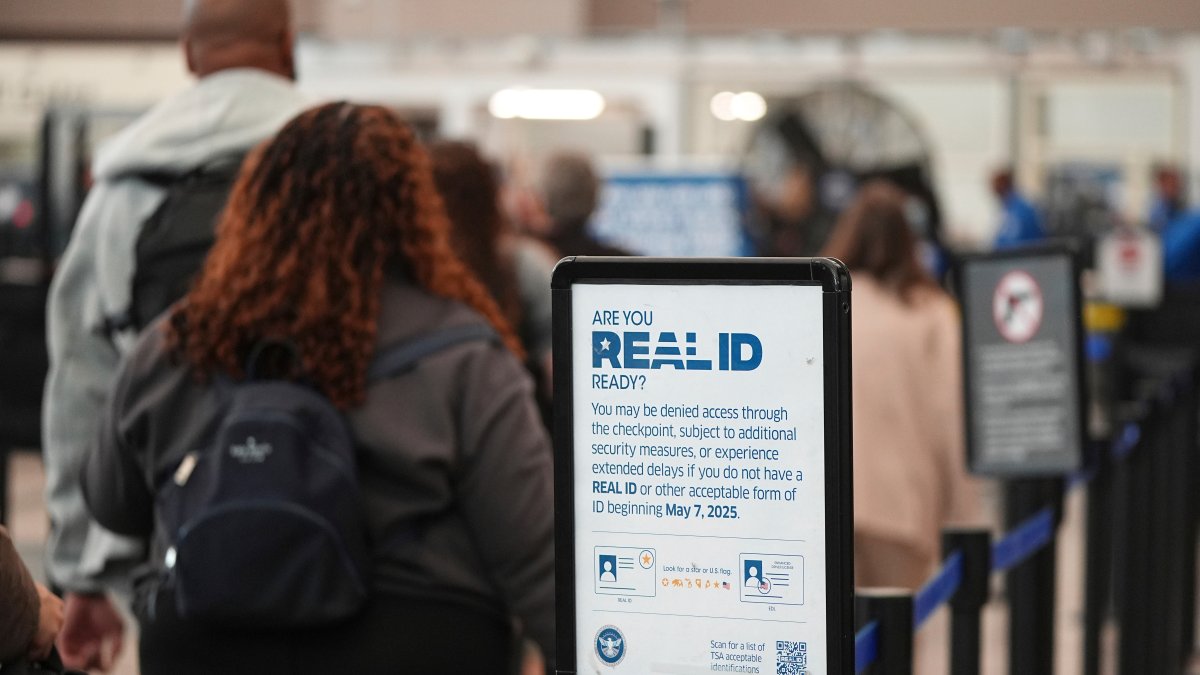
If you still haven't obtained a Real ID, starting this Sunday, air travelers who do not have a Real ID-compliant driver's license or passport will need to pay a fee to pass through airport security. The Transportation Security Administration (TSA) recently announced that from February 1, 2026, travelers without an acceptable form of identification can choose to pay the fee and confirm their identity through TSA's alternative identity verification system called Confirm ID. Passengers can complete the form and pay the fee online via pay.gov before arriving at the airport or do so at the airport through a separate line.
Once approved, the identity verification will be valid for 10 days. After this period, travelers without a REAL ID or passport will have to pay the fee again if they plan to travel. Initially, the TSA proposed an $18 fee for travelers without a REAL ID, citing the need to finance the "modernized alternative identity verification program." However, further analysis revealed that the actual costs associated with the Confirm ID system were higher than initially estimated, necessitating a higher fee. The fee will encompass operational, technological, and administrative expenses related to verifying a traveler's identity.
According to a DHS spokesperson, the Confirm ID process is expected to take approximately 10 to 15 minutes, but it could extend to 30 minutes or more depending on verification requirements and airport security wait times. The REAL ID Act, enacted in 2005, only began enforcement in 2025 after several delays. This law mandates that travelers must possess a REAL ID-compliant license or another acceptable form of identification to pass through security for domestic flights.
In conclusion, travelers without a Real ID-compliant driver's license or passport will be required to pay a fee to verify their identity through TSA's Confirm ID system starting February 1, 2026. This alternative identity verification process aims to ensure security and compliance with the REAL ID Act, which mandates specific identification requirements for air travel within the United States.