Protecting Against Kimsuki: FBI Warns of Malicious QR Code Attacks on U.S. Organizations
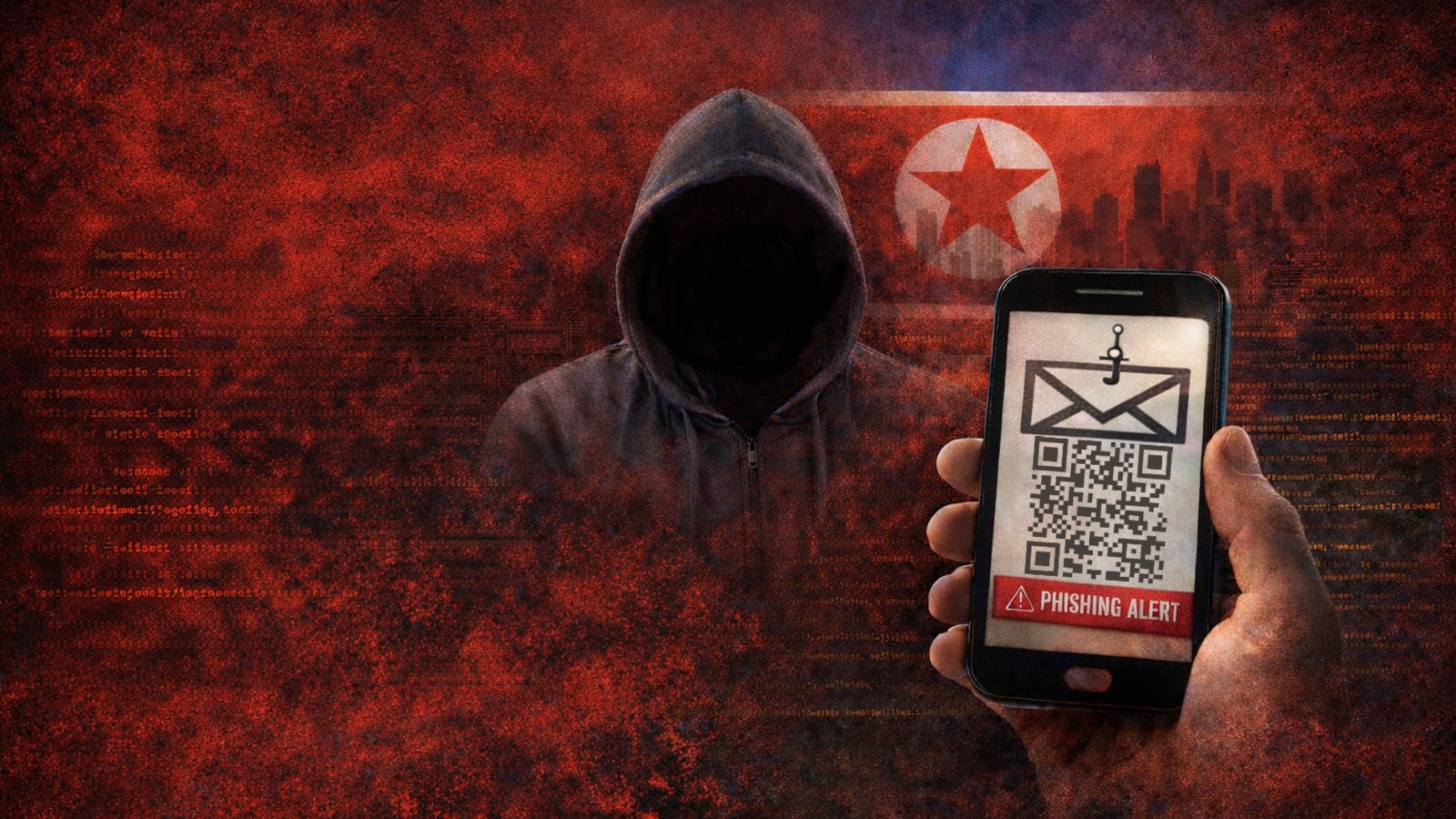
A state-sponsored hacker group known as Kimsuki, linked to North Korea, is using malicious QR codes in spearphishing campaigns targeting U.S. organizations, according to a warning from the Federal Bureau of Investigation (FBI). The targets include entities involved in North Korea-related policy, research, and analysis, such as NGOs, think tanks, academic institutions, advisory firms, and government bodies in the U.S. This technique, known as "quishing," involves sending emails with QR codes that redirect victims to fake login pages or other malicious sites. The FBI advises organizations to be vigilant and report any suspicious activity to the authorities.
Kimsuki, also known as APT43, has been associated with various cyberattacks, including posing as journalists, exploiting vulnerabilities, supply-chain attacks, and using ClickFix tactics. In recent campaigns, the group sent emails containing QR codes to trick victims into visiting attacker-controlled locations disguised as questionnaires or secure drives. By impersonating foreign investors, embassy employees, or conference organizers, the attackers aim to collect sensitive information from their targets. Victims who scan the QR codes are redirected to phishing pages that mimic popular services like Microsoft 365 or Google login pages, with the goal of stealing access credentials.
The FBI highlights the effectiveness of these attacks in bypassing traditional email security solutions and evading detection. By forcing victims to scan QR codes on their mobile devices, threat actors can gather device information and user details without triggering alerts. This method, described as an "MFA-resilient identity intrusion vector," poses a significant risk to organizations that rely on multi-factor authentication for security. To mitigate these threats, the FBI recommends employee training, verifying the source of QR codes, implementing mobile device management, and enforcing multi-factor authentication measures. Organizations targeted by such attacks are urged to report them promptly to the FBI Cyber Squad or the IC3 portal for further investigation and assistance.
In conclusion, the use of malicious QR codes in spearphishing campaigns by state-sponsored threat groups like Kimsuki poses a serious cybersecurity threat to U.S. organizations. By staying informed, implementing security best practices, and reporting suspicious activities, businesses can better protect themselves against these evolving cyber threats.