From Samson to Iron Maiden: Bruce Dickinson's Journey to Metal Stardom
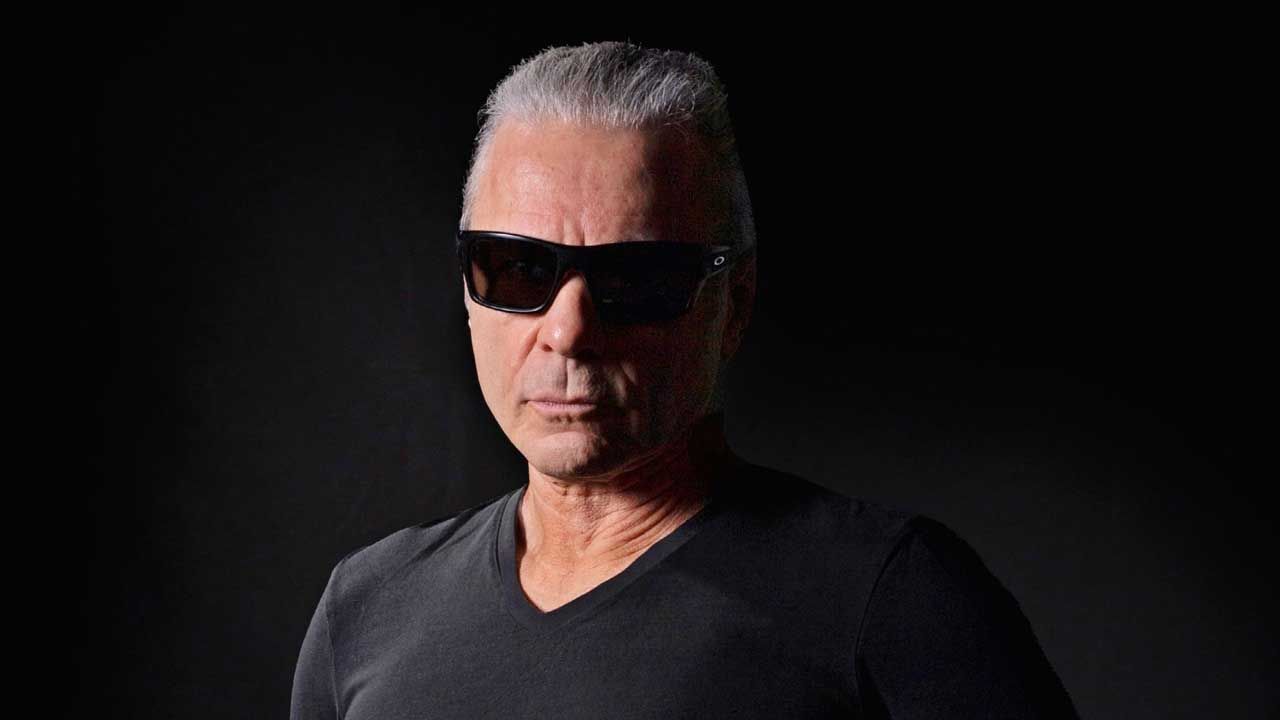
Becoming the lead singer of a band is a challenging journey, and for Bruce Dickinson, joining Iron Maiden was a pivotal moment. In 1981, Dickinson became the fourth singer of Iron Maiden, following a string of predecessors. Before his time with Maiden, Dickinson fronted the band Samson, which emerged from the New Wave Of British Heavy Metal scene. Dickinson's transition to Samson came after his college band days, where he honed his vocal skills and performed in pubs. The offer to join Samson in 1979 coincided with his college exams, marking a significant turning point in his music career.
Dickinson fondly recalls his early days with Samson, where he immersed himself in the music scene and formed lasting memories. Living in a squat in the Isle of Dogs and navigating the band's dynamics, including the eccentric drummer Thunderstick, added to the colorful experiences of his time with Samson. Despite the band's strengths and weaknesses, Dickinson's tenure with Samson laid the groundwork for his future endeavors in the metal music scene.
The music landscape of the early 1980s saw the rise of the New Wave Of British Heavy Metal, with bands like Iron Maiden, Def Leppard, and Girlschool making their mark. Dickinson acknowledges Maiden's dominance in the scene, along with other notable bands like Praying Mantis. The competitive nature of the music industry meant that only a few bands would achieve widespread success, leaving many talented acts in the shadows.
As Dickinson's journey with Samson continued, the band's second album, "Shock Tactics," marked a departure from their previous DIY approach. Working with a seasoned producer, Tony Platt, brought a new level of professionalism to their music. Meanwhile, Iron Maiden was also making strides with their album "Killers," produced by Martin Birch. Dickinson's admiration for Maiden's sound and energy was evident, setting the stage for his eventual transition to the iconic band.
The pivotal moment came in 1981 when Dickinson met with Iron Maiden's Steve Harris and Rod Smallwood after a performance at the Reading Festival. The offer to audition for Maiden as their new singer presented Dickinson with a life-changing opportunity. Despite the challenges and uncertainties, Dickinson's audition with Maiden solidified his place in the band, marking the beginning of a new chapter in his music career.
Reflecting on his time with Samson and the transition to Iron Maiden, Dickinson's journey underscores the resilience and determination required to succeed in the music industry. The blend of personal experiences, musical influences, and pivotal moments shaped Dickinson's path to becoming the iconic frontman of Iron Maiden.