Fraud Scandal and Immigration Crackdown: Impact on Somali Community in Minnesota
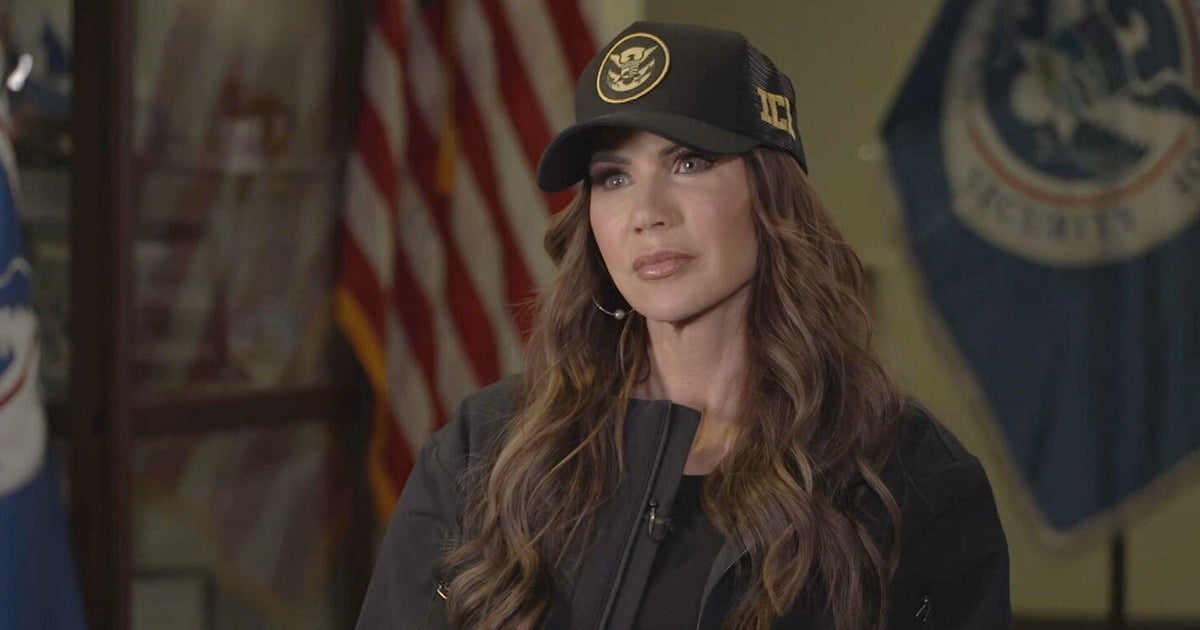
In the midst of a fraud scandal in Minnesota and a nationwide immigration crackdown, President Trump has directed negative comments towards Somali immigrants, accusing them of exploiting the country. Department of Homeland Security Secretary Kristi Noem has deployed 2,000 agents to the Twin Cities to conduct immigration raids and assist in the fraud investigation, emphasizing the need to address the unprecedented level of fraud and abuse in recent history.
Prosecutors in the area have charged over 90 individuals with fraud, with a significant number of Somali Americans involved in a scheme related to a nonprofit organization called Feeding Our Future. The scandal has led to the resignation of Minnesota Gov. Tim Walz, following allegations of fraudulent activities in child care centers receiving public funds.
Despite claims of fraudulent money laundering activities in Minnesota, investigations have not found evidence of fraud in the child care centers. President Trump's continued criticism of the Somali community has caused fear and uncertainty among Somali Americans, with reports of American citizens being interrogated by Immigration and Customs Enforcement agents.
While the majority of Somali Americans in Minnesota are U.S. citizens, Secretary Noem assured that agents are not targeting any specific community. She emphasized that individuals who have broken the law are the focus of the Department of Homeland Security's efforts, reassuring law-abiding citizens that their safety is a priority.
In conclusion, the ongoing fraud scandal and immigration crackdown have raised concerns within the Somali community in Minnesota. Secretary Noem's deployment of agents and focus on addressing fraud and law enforcement issues have sparked debates and fears among residents, highlighting the need for transparency and accountability in addressing these complex challenges.