Rocking History: The Legacy of The Rolling Stones Mobile Studio in Classic Rock
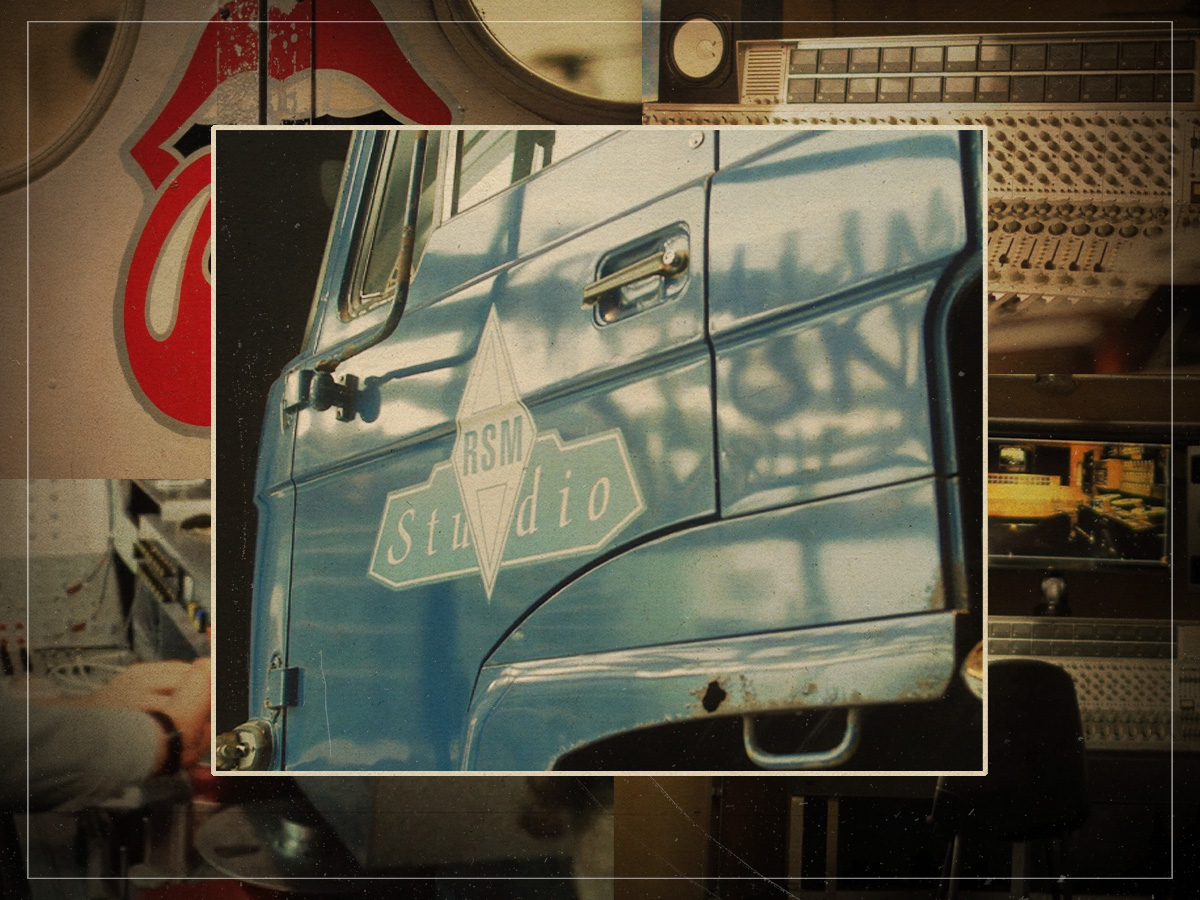
Deep Purple's iconic song "Smoke on the Water" was inspired by a fire at the Montreux Casino during a Frank Zappa show in 1971. The band was in Montreux to record their best-selling album "Machine Head" using a mobile studio provided by The Rolling Stones. This mobile studio, known as The Rolling Stones Mobile Studio, allowed bands to record in unconventional locations, giving rise to a unique sound that defined many classic rock albums of the era.
The Rolling Stones commissioned the custom-built mobile studio in 1968 to escape the constraints of traditional recording studios. Equipped with cutting-edge gear, including an eight-track recorder and later a 16-track Helios console, the truck provided a professional recording environment on the go. Bands like Led Zeppelin, The Who, Fleetwood Mac, and Bob Marley also utilized the mobile studio, contributing to its legacy as a hub for classic rock royalty.
The raw, roomy ambience and distinctive sound of the Rolling Stones Mobile Studio became synonymous with the era's most beloved rock albums. The truck continued to be used by various artists well into the 1980s, with Iron Maiden even utilizing it in 1990. Its impact on the music industry extended beyond recording, as The Rolling Stones sold it to bassist Bill Wyman for his AIMS programme, providing recording opportunities to emerging musicians.
In conclusion, the Rolling Stones Mobile Studio played a pivotal role in shaping the sound of classic rock in the early 1970s. Its portability and high-quality equipment allowed bands to record in unconventional settings, resulting in iconic albums that continue to resonate with music fans today.