Monroe Doctrine: A Historical Precedent in U.S. Foreign Policy Towards Venezuela
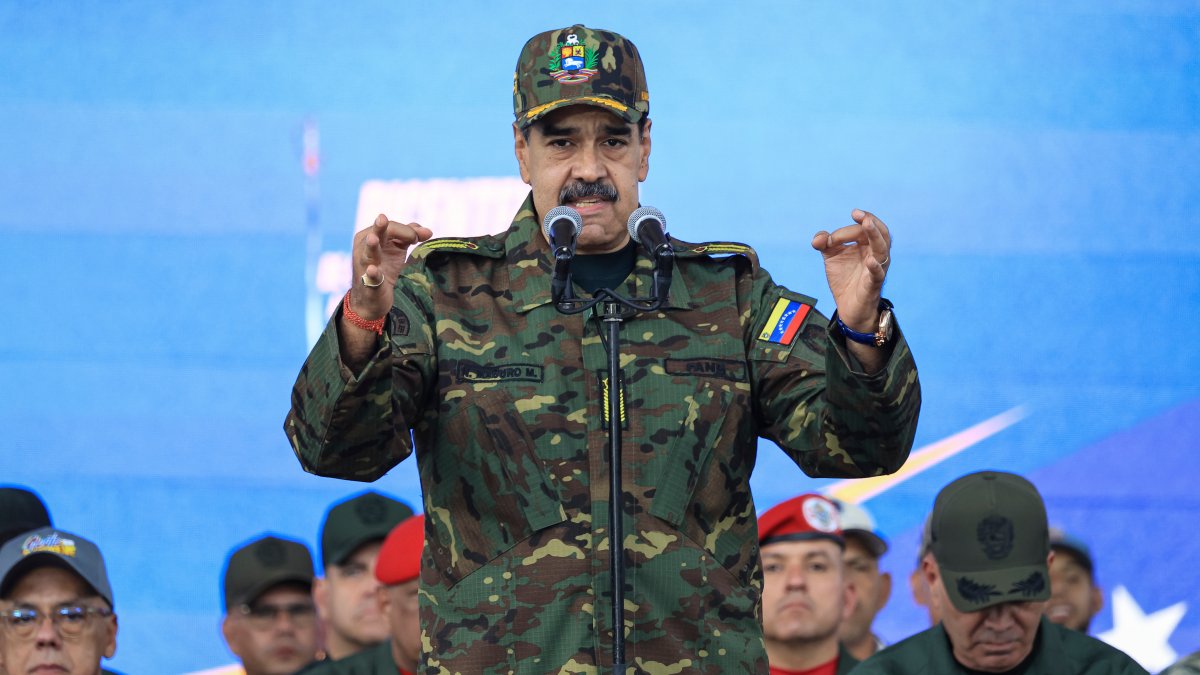
The U.S. military action leading to the arrest of Venezuelan leader Nicolás Maduro has drawn attention to the Monroe Doctrine, a longstanding principle in American foreign policy. President Donald Trump cited this doctrine, originally established by President James Monroe, to justify the capture of a foreign leader for criminal charges in the United States. The Monroe Doctrine was created to oppose European interference in the Western Hemisphere and has been used by subsequent presidents to justify U.S. intervention in the region. Trump's reference to this doctrine reflects a historical pattern of applying it to current foreign policy decisions, including his assertion that the U.S. would oversee Venezuela until a new leader was in place.
The Monroe Doctrine, articulated in Monroe's 1823 address to Congress, aimed to prevent European colonization or interference in independent nations of the Western Hemisphere. It also signaled U.S. influence in the region while committing to staying out of European conflicts. Throughout history, the Monroe Doctrine has been invoked in various instances involving Venezuela, a country with a complex relationship with foreign powers. The doctrine has been used to justify U.S. military interventions in Latin America, such as during the Cold War era to counter communism and in more recent times to address security threats in the region.
President Theodore Roosevelt expanded on the Monroe Doctrine with the Roosevelt Corollary, allowing U.S. intervention in unstable Latin American countries. This justification was used in supporting Panama's secession from Colombia to secure the Panama Canal Zone. The Monroe Doctrine has been invoked over the years to defend U.S. interests in the Western Hemisphere, including opposing the leftist Sandinista government in Nicaragua during the Reagan administration. Trump's reference to the doctrine aligns with past uses by his predecessors to legitimize interventions that serve U.S. commercial and strategic interests.
Trump's decision to act against Maduro was framed within the context of protecting U.S. interests and ensuring American dominance in the Western Hemisphere. The administration's national security strategy includes a "Trump Corollary" to the Monroe Doctrine, aiming to restore American preeminence in the region. By asserting American power in the Western Hemisphere, Trump seeks to address security threats and maintain stability in the region. The military operation to capture Maduro and potential U.S. involvement in Venezuela could impact Trump's supporters, particularly those within the "Make America Great Again" movement, who may have differing views on the administration's foreign policy decisions.
In conclusion, the use of the Monroe Doctrine in justifying U.S. actions in Venezuela reflects a historical precedent of American intervention in the Western Hemisphere. Trump's reference to this doctrine underscores his administration's commitment to protecting U.S. interests and asserting American dominance in the region. The application of the Monroe Doctrine to current foreign policy decisions highlights the evolving nature of U.S. engagement in Latin America and the strategic considerations driving American actions in the Western Hemisphere.