Exploring Avant-Garde Influences: Bowie, Reed, and the Legacy of '96 Tears
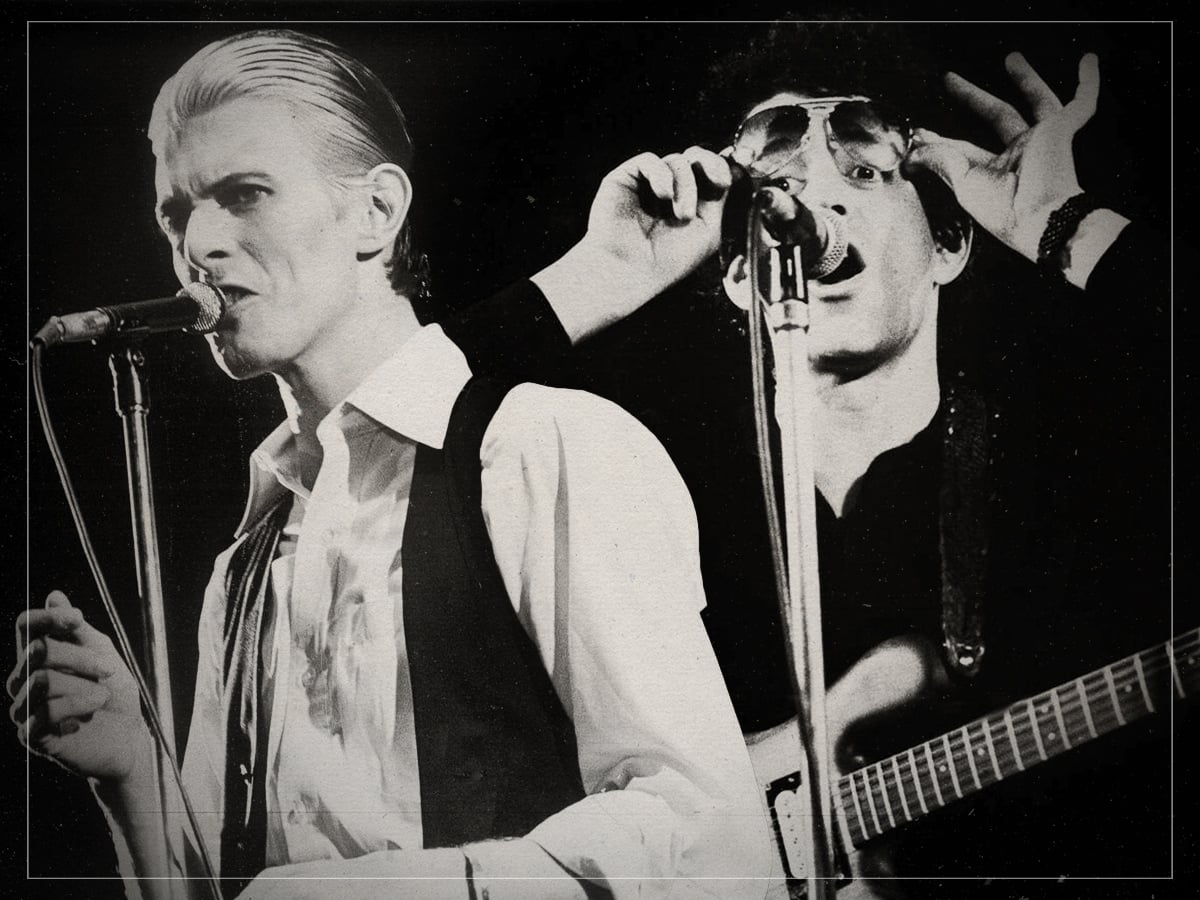
David Bowie once praised Lou Reed for pushing the boundaries of pop songwriting into the avant-garde realm. Both artists drew inspiration from the sharp wit of William S. Burroughs, creating raw and unfiltered music that challenged societal norms. Bowie, influenced by Reed's avant-garde style, embarked on a journey to meet his hero in New York City, where he discovered The Velvet Underground's groundbreaking music.
Despite initial lack of mainstream success, The Velvet Underground's debut album caught Bowie's attention and left a lasting impact on him. Bowie later acknowledged the band's influence, even comparing them favorably to The Beatles. Another band that caught Bowie's ear in the 1960s was ? and The Mysterians, whose unconventional sound and cryptic lyrics resonated with both Bowie and The Velvet Underground.
? and The Mysterians' hit song "96 Tears" showcased a unique blend of garage rock and countercultural influences, with an eclectic organ sound dominating the track. Bowie praised the song for its extraordinary composition and eerie depth, highlighting its departure from mainstream pop music. The song's self-aware lyrics and mystic quality resonated with Bowie and Reed, who both considered it a masterpiece.
Despite its initial obscurity, "96 Tears" continues to influence pop culture with its catchy yet unconventional sound. Bowie and Reed recognized the song's significance in shaping the future of music, appreciating its ability to blend pop sensibilities with avant-garde spirit. As pioneers in their own right, Bowie and Reed understood the transformative power of music and the importance of pushing artistic boundaries.