Unlocking Creativity: Celebrating the Entry of Classic Characters and Works into the Public Domain
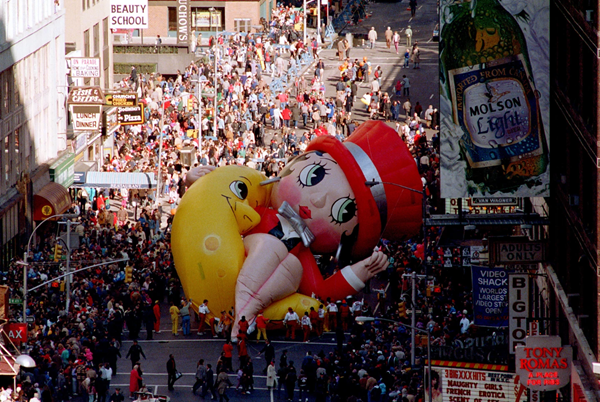
Betty Boop and "Blondie" are among the classic cartoon and comic characters that have entered the public domain on Jan. 1 due to the expiration of their 95-year U.S. copyright. This means that creators can now freely use and repurpose these characters without needing permission or making payments. While this year's batch of newly public domain works may not have the same level of recognition as Mickey Mouse or Winnie the Pooh, it still represents a significant milestone for advocates of expanding the public domain.
Betty Boop, originally depicted as a dog in her first appearance in the 1930 short "Dizzy Dishes," quickly evolved into the iconic Jazz Age flapper character recognized today. She was designed and owned by Fleischer Studios and released by Paramount Pictures. Similarly, "Blondie Boopadoop," the central character of Chic Young's newspaper comic strip that debuted in 1930, followed the carefree adventures of a young flapper named Blondie and her boyfriend Dagwood Bumstead.
In addition to these characters, nine new Mickey Mouse cartoons, featuring his dog Pluto, are also entering the public domain this year. The books entering the public domain include works by iconic detectives such as Nancy Drew, Sam Spade, and Miss Marple. Literary works like William Faulkner's "As I Lay Dying" and children's literature classics like Dick and Jane's "Elson Basic Readers" textbooks are also now part of the public domain.
Movies like "The Blue Angel," "King of Jazz," and Oscar-winning films like "All Quiet on the Western Front" and "Cimarron" are among the cinematic works entering the public domain this year. The next decade will see a wealth of Hollywood Golden Age films, including the original 1931 versions of "Dracula" and "Frankenstein," becoming part of the public domain. Additionally, beloved songs from the Great American Songbook, including classics by George Gershwin and Hoagy Carmichael, are now freely available for use.
Overall, the expansion of the public domain this year marks a significant moment for creators and artists who can now draw inspiration from these timeless works without restrictions. The availability of these cultural treasures opens up new possibilities for creativity and innovation in the public domain.