Budget Busters: The Most Expensive Films That Failed to Deliver at the Box Office
Creating a major studio movie is a costly endeavor, as seen in the budgets of superhero films and R-rated movies. Even lesser-known movies can rack up significant expenses, leading to some of the most expensive films you may not have heard of. These projects often fail to justify their massive budgets, with reasons ranging from inflated costs compared to successful sequels to troubled productions that drive up expenses. Despite the high costs associated with filmmaking, some projects stand out for their excessive spending, resulting in box office disappointments.
One such example is "Battleship," a movie based on a Hasbro toy property that cost $220 million to produce, surpassing the budgets of popular franchises like "Transformers." Despite hopes of launching a successful series, "Battleship" failed to attract audiences, grossing only $313 million worldwide. The film's lackluster performance highlighted the risks of investing heavily in unproven properties, leading to scaled-back projects in the future. The excessive spending on "Battleship" exemplified the challenges of replicating the success of blockbuster franchises.
Another costly misstep was "Solo: A Star Wars Story," a spin-off film that faced production challenges and budget overruns, ultimately costing around $330 million. The movie struggled to break even at the box office, falling short of the necessary $700 million to turn a profit. Released alongside major blockbusters, "Solo" failed to capture audiences' attention, resulting in a disappointing global haul. The film's troubled production and inflated budget underscored the difficulties of achieving success in the competitive movie industry.
In the realm of family comedies, "Evan Almighty" stood out for its extravagant $175 million budget, far exceeding the costs of similar genre films. Despite high production expenses and challenges during filming, the movie failed to match the success of its predecessor, "Bruce Almighty." With a global gross of $174 million, "Evan Almighty" struggled to recoup its massive budget, highlighting the risks of overspending on family-oriented projects. The film's financial failure served as a cautionary tale for future comedy productions.
"Van Helsing," a collaboration between Hugh Jackman and director Stephen Sommers, faced budgetary challenges with a $170 million price tag, surpassing the costs of previous blockbuster films. Despite high expectations, the movie's $300 million worldwide gross fell short of profitability, leading to financial losses for the studio. The film's excessive budget and underwhelming performance reflected the risks of investing heavily in projects outside established franchises. "Van Helsing" served as a reminder of the pitfalls of overspending on ambitious but ultimately unsuccessful ventures.
"John Carter," a sci-fi adventure film with a budget exceeding $263 million, struggled to attract audiences and recoup its production costs. Despite facing external challenges and competition at the box office, the movie's high budget proved to be a significant obstacle to profitability. With a theatrical run that failed to meet expectations, "John Carter" highlighted the consequences of overspending on a risky project. The film's financial struggles underscored the importance of budget management in the film industry.
"Justice League," a DC Comics tentpole with a $300 million budget, faced production challenges and marketing issues that hindered its box office performance. Despite extensive reshoots and high production costs, the film failed to achieve profitability, falling short of expectations compared to other superhero movies. The movie's inflated budget and underwhelming box office run reflected the challenges of managing costs in big-budget productions. "Justice League" served as a cautionary tale of the risks associated with overspending on blockbuster films.
"Superman Returns," a reboot of the iconic superhero franchise, faced budgetary challenges with a $232 million price tag, exceeding the costs of other superhero movies at the time. Despite high production expenses, the film's global gross of $391 million fell short of profitability, highlighting the risks of investing heavily in a risky project. The movie's underwhelming box office performance underscored the consequences of overspending on a reboot with uncertain audience appeal. "Superman Returns" served as a reminder of the importance of budget management in the film industry.
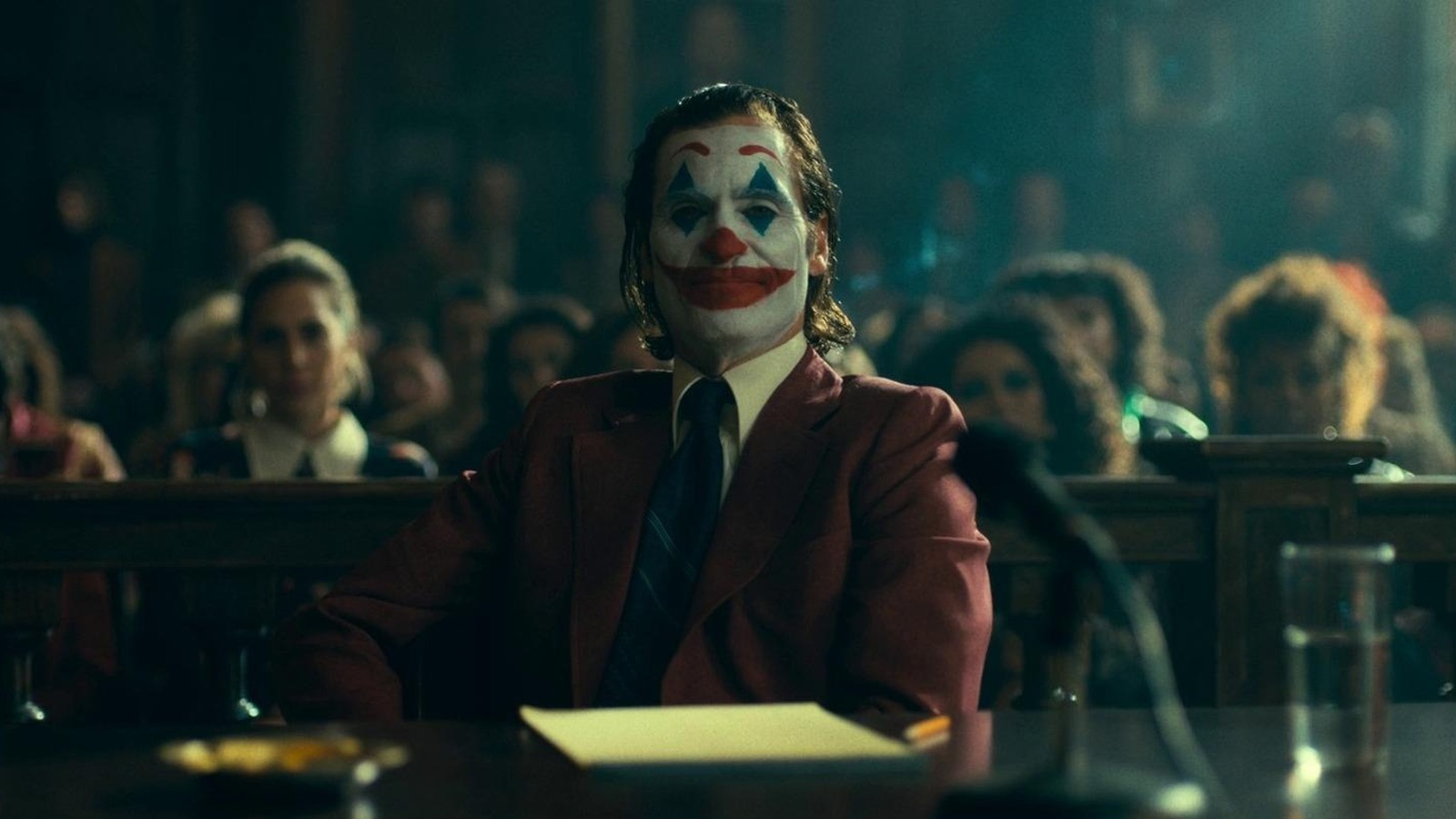
In contrast to its predecessor, "Joker: Folie à Deux" abandoned the thrifty budget of the original film, opting for a significantly higher production cost of at least $190 million. Despite lacking a plot that warranted such expenses, the movie's inflated budget and star salaries drove up costs unnecessarily. The film's historically awful box office run sealed its financial demise, resulting in significant losses for the studio. By overspending on a project that deviated from the original's success, "Joker: Folie à Deux" highlighted the risks of abandoning budget constraints in filmmaking.
In conclusion, the film industry is rife with examples of projects that incurred excessive costs, leading to financial losses and box office disappointments. From big-budget blockbusters to family comedies, overspending on production expenses can jeopardize a film's profitability and long-term success. These cautionary tales serve as reminders of the importance of budget management and strategic decision-making in the competitive world of filmmaking.