Unrest in Iran: Economic Challenges, Protests, and International Implications
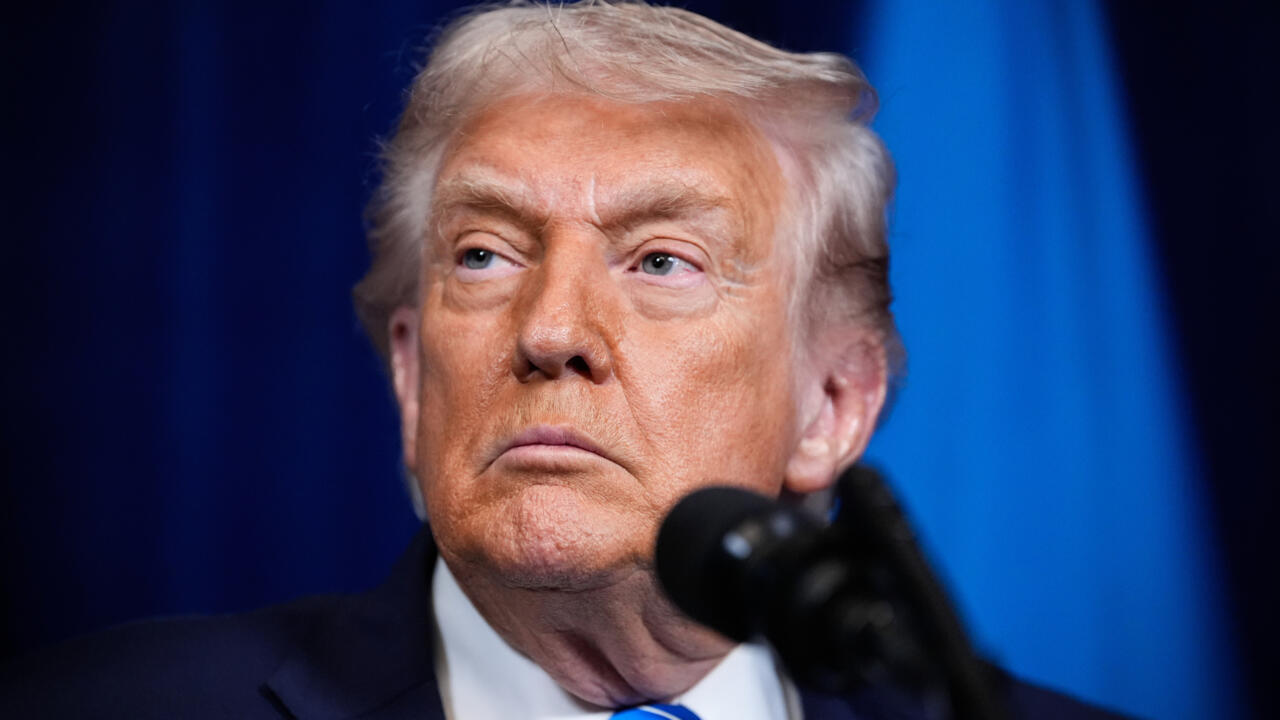
President Donald Trump recently stated that the United States would intervene if Iran harms peaceful protesters, emphasizing that the U.S. is prepared to take action. The announcement comes in response to violent clashes during Iran's recent protests against economic challenges in various regions of the country. The protests, triggered by economic difficulties and rising prices, have escalated into confrontations between demonstrators and security forces, underscoring the growing unrest in Iran's society. The country's economy has been under strain since the U.S. reinstated sanctions in 2018 following Trump's decision to withdraw from a nuclear agreement.
The ongoing protests in Iran have highlighted the deepening economic crisis and social discontent within the country. The demonstrations, which began as a response to currency devaluation and inflation, have evolved into widespread unrest, with protesters demanding government accountability and economic reforms. The violent clashes between demonstrators and security forces have raised concerns about the stability of Iran's political and social landscape, as well as the potential for further escalation of tensions.
The economic challenges facing Iran have been exacerbated by external factors, such as the impact of U.S. sanctions on the country's economy. The reimposition of sanctions in 2018 has had a significant impact on Iran's financial stability and economic growth, leading to widespread discontent among the population. The protests and violent confrontations in various provinces reflect the deep-seated frustrations and grievances of Iranians who are struggling to cope with the economic hardships and uncertainties facing their country.
The situation in Iran remains volatile, with ongoing protests and clashes between demonstrators and security forces. The U.S. government's readiness to intervene in support of peaceful protesters underscores the international implications of Iran's internal unrest and the potential for further escalation. As the protests continue and the economic challenges persist, the future trajectory of Iran's political and social landscape remains uncertain, with implications for regional stability and global security.
In conclusion, the recent protests in Iran have brought to light the deep-seated economic challenges and social discontent within the country, leading to violent clashes between protesters and security forces. The U.S. government's declaration of support for peaceful demonstrators reflects the international significance of Iran's internal unrest and the potential for further escalation. The ongoing protests and economic hardships underscore the need for meaningful reforms and dialogue to address the underlying grievances and promote stability in Iran and the broader region.