The Lonesome Death Of Hattie Carroll: Bob Dylan's Protest Song Legacy
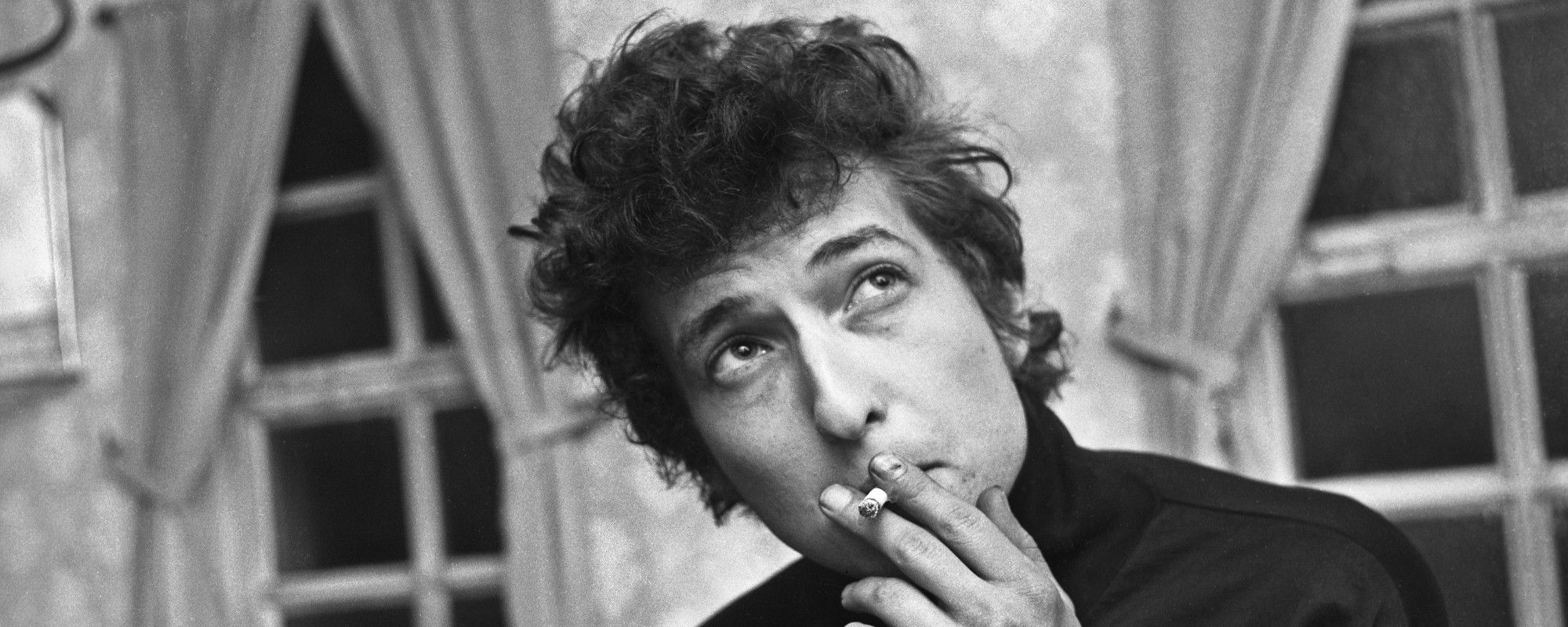
Bob Dylan is renowned for his protest songs, with classics like “Blowin’ In The Wind” and “The Times They Are A-Changin’” resonating with audiences. One of his notable songs, “The Lonesome Death Of Hattie Carroll”, tells the tragic story of Hattie Carroll, a black bartender killed by William Zantzinger in 1963. Despite some inaccuracies in Dylan’s retelling, the song remains a significant piece in Civil Rights history.
Following Zantzinger’s light sentencing for Carroll’s death, Dylan’s song highlighted the injustice of the legal process. While the song accurately portrayed Zantzinger’s six-month prison sentence, it incorrectly stated that he was only charged with first-degree murder. In reality, Zantzinger faced charges of both first and second-degree murder, as reported by the Smithsonian. Despite these discrepancies, Dylan avoided legal repercussions for his artistic liberties.
Critics like Clinton Heylin have acknowledged the song’s impact while also criticizing its inaccuracies. Heylin noted that Dylan was fortunate not to face a lawsuit for his portrayal of the events. Zantzinger himself expressed disdain for Dylan’s depiction, suggesting that legal action could have been taken. Despite the song’s flaws, it remains a powerful testament to the Civil Rights movement and the injustices faced by individuals like Hattie Carroll.
Bob Dylan’s “The Lonesome Death Of Hattie Carroll” serves as a reminder of the power of music to shed light on social issues. While the song may not be entirely accurate in its details, its message of justice and equality resonates with audiences to this day. Dylan’s creative interpretation of Carroll’s story continues to spark conversations about the intersection of art and activism, showcasing the enduring impact of protest songs in shaping cultural narratives.