Harmonies and Camaraderie: The Beatles and The Rolling Stones in the 1960s
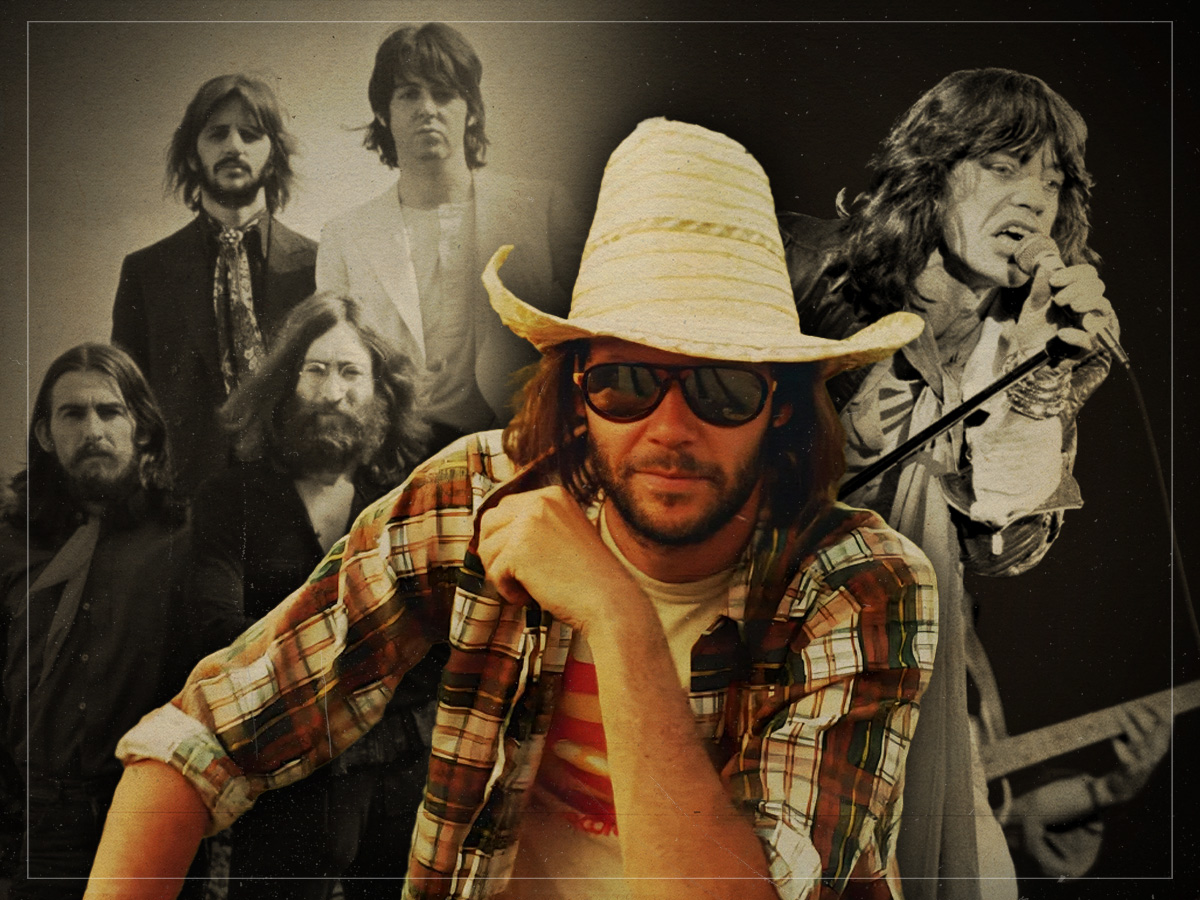
In the 1960s, The Beatles and The Rolling Stones were often pitted against each other as rivals in the music industry. Despite this perception, the two bands offered distinct styles and contributions to the world of rock and roll. The Beatles, hailing from the north of England, and The Rolling Stones, from the south, shared a camaraderie rather than a rivalry. George Harrison even helped secure a record deal for The Rolling Stones, showcasing the mutual respect between the bands.
As contemporaries in the music scene, The Beatles and The Rolling Stones supported each other and shared friendships. John Lennon, in particular, had a close relationship with members of The Rolling Stones, acknowledging their talent and influence. The bands were not in competition but rather collaborators in shaping the landscape of rock music during the 1960s.
While The Beatles explored experimental boundaries in their music, The Rolling Stones initially focused on blues rock covers. It was after The Beatles disbanded in 1969 that The Rolling Stones found their unique voice and solidified their place as a rock and roll powerhouse. Neil Young highlighted the distinct paths of the two bands, noting that The Rolling Stones' longevity and evolution contributed to their lasting impact in the music industry.
The 1970s marked a significant era for The Rolling Stones, where they established themselves as a force to be reckoned with, separate from The Beatles' legacy of the 1960s. The band's evolution and resilience in the face of changing musical landscapes set them apart and solidified their place in rock history. The Rolling Stones' success and influence stand on their own, free from comparisons to The Beatles, showcasing their unique and enduring impact on music.