Gambling Machines in New South Wales: Profits vs. Social Harm
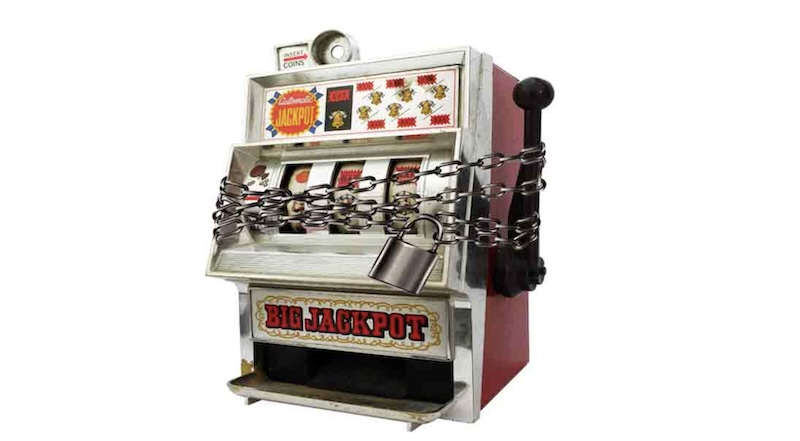
In New South Wales, the prevalence of poker machines in clubs and hotels is a significant issue, with the state government profiting immensely from the gambling industry. Despite claims of a crackdown, the government under Premier Chris Minns has been criticized for not effectively addressing the social harm caused by poker machines. The Audit Office of New South Wales highlighted the lack of support for harm minimization measures, pointing out that the government's response was inadequate. With over 87,000 gaming machines operating in the state, the financial benefits for pubs, clubs, and the government are substantial, leading to escalating profits and tax revenues.
The concentration of gaming machines in certain areas, such as Fairfield, Canterbury-Bankstown, and Cumberland, exacerbates socio-economic disadvantage. The high number of exemptions allowing gaming machine operation from 4am to 10am raises concerns about the impact on individuals with mental illness and gambling addiction. Despite the significant profits generated by gaming machines, the regulatory oversight by the Independent Liquor and Gaming Authority is limited, with a minimal budget allocated for monitoring and enforcement.
The Department of Creative Industries, Tourism, Hospitality, and Sport, responsible for regulating the industry, has been criticized for not effectively supporting harm minimization strategies. The lack of targets for reducing harm associated with gaming machines and the disproportionate concentration of gambling harm in disadvantaged communities highlight the need for more comprehensive regulatory measures. The focus on financial gains from poker machines has overshadowed the social costs and negative impacts on individuals and communities.
In conclusion, the pervasive presence of poker machines in New South Wales and the government's reliance on gambling revenue raise concerns about the prioritization of profits over social well-being. The complex nature of the issue should not be an excuse for inaction, as effective regulation and harm minimization strategies are essential to address the negative consequences of excessive gambling. The need for greater transparency, accountability, and targeted interventions to reduce harm and promote responsible gambling practices is crucial in mitigating the adverse effects of poker machine saturation in the state.