Exploring Time Travel and Iconic Roars: The Intriguing Connection in 'Yesteryear' from Star Trek: The Animated Series
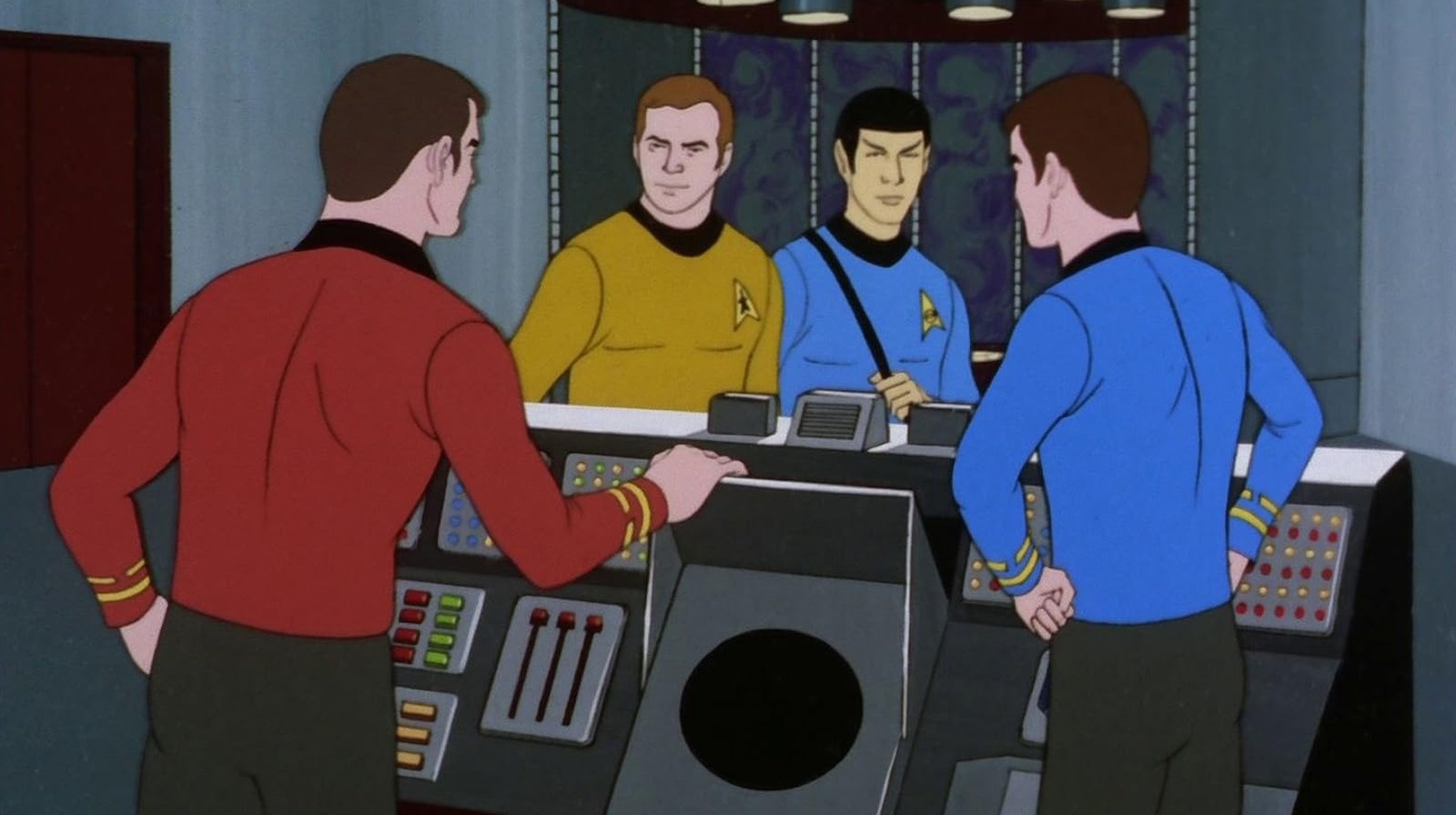
In the episode "Yesteryear" from season 1 of "Star Trek: The Animated Series," Captain Kirk and Spock conduct time-travel experiments at the Guardian of Forever. Their actions inadvertently alter the timeline, leading to a reality where Spock died at a young age. To correct this, Spock travels back in time to his childhood, assuming the identity of his cousin Selek to guide his younger self through a pivotal moment in his development.
As young Spock faces a crucial decision between embracing his Vulcan heritage or exploring his human side, he embarks on a perilous journey into the Vulcan deserts. The adult Spock must protect his younger self from the deadly le-matyas that inhabit the desert to ensure the restoration of the original timeline.
In a climactic moment, a le-matya attacks, prompting Spock to use his Vulcan skills to subdue the creature. The roar of the le-matya in the episode was actually a stock sound borrowed from Godzilla, adding a dynamic element to the animated series. Godzilla's iconic roar was created through a unique process involving scraping a double bass and blending it with other animal sounds to produce a distinctive and memorable sound.
While Toho owns the rights to Godzilla's roar, it has been used in various films and TV shows over the years. "Yesteryear" marks one of the earliest instances of Godzilla's roar being featured in an American television series, adding a touch of cinematic history to the "Star Trek" universe. The use of Godzilla's roar in the episode creates an intriguing connection between the fictional le-matya and the legendary kaiju, showcasing the versatility and enduring appeal of iconic sound effects in popular culture.