Unsung '70s Gems: 12 Iconic Films That Surprisingly Didn't Win Any Oscars
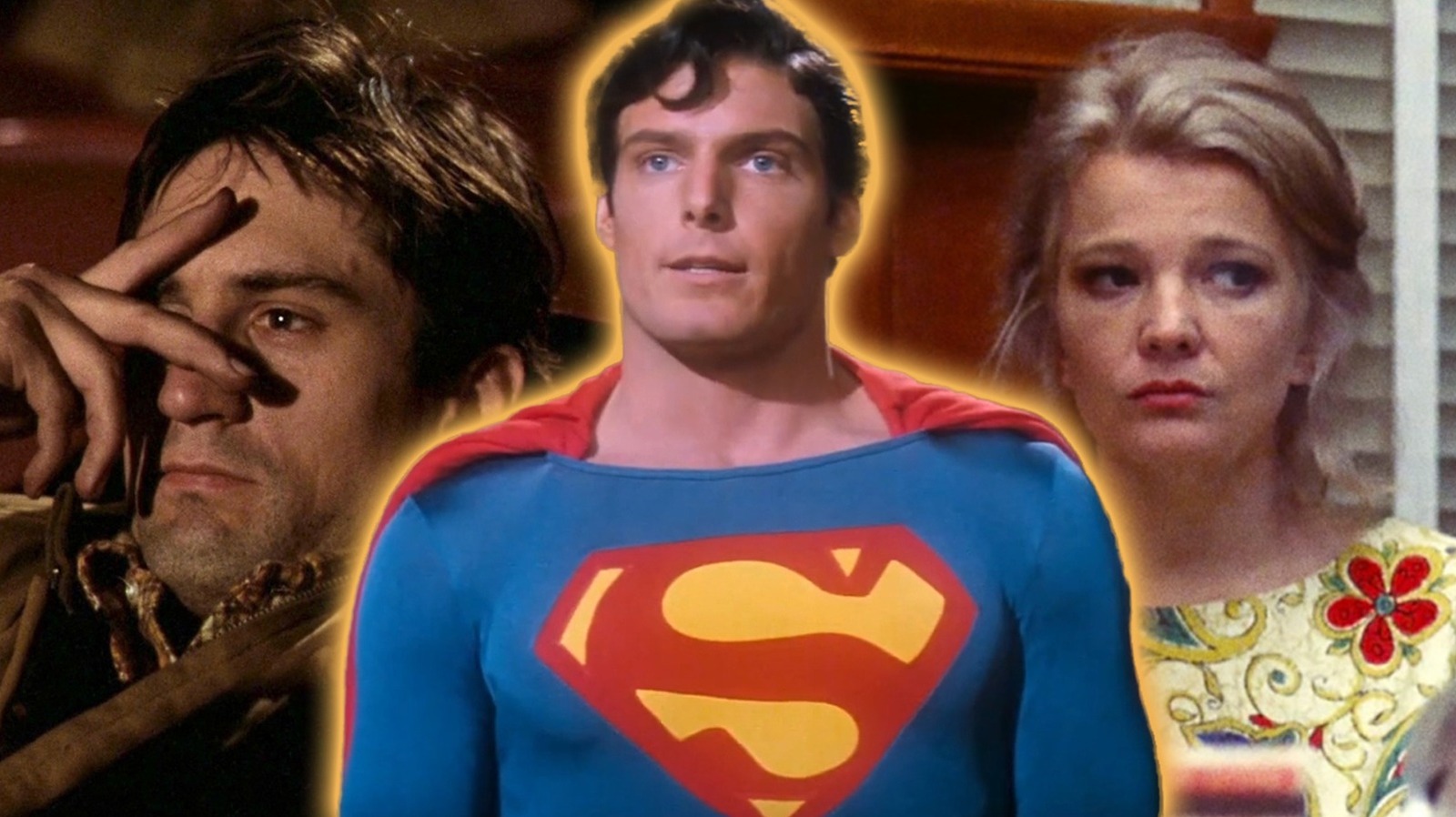
The Oscars serve as a reflection of Hollywood's trends and tastes over time. Despite its reputation, some iconic films from the '70s failed to secure any Academy Awards. These movies, which seemed tailor-made for Oscar recognition, were overlooked by the prestigious institution. Let's delve into 12 remarkable '70s films that surprisingly didn't win any Oscars.
Martin Scorsese's "Taxi Driver" is often hailed as a quintessential American film of the '70s. Despite critical acclaim and multiple Oscar nominations, including Best Picture and acting nods for Robert De Niro and Jodie Foster, the film left the 1977 ceremony empty-handed. The competition was fierce, with "Taxi Driver" losing out to other deserving contenders, such as "Network" and "Rocky."
Francis Ford Coppola's "The Conversation" stands out as a masterful thriller that delves into themes of surveillance and paranoia. Despite its impeccable craftsmanship and critical acclaim, the film failed to secure any Oscars at the 47th ceremony. The intense competition, including Coppola's own "The Godfather Part II" and Robert Towne's "Chinatown," overshadowed "The Conversation's" chances of winning.
John Cassavetes' "A Woman Under the Influence" showcased the director's unique vision and featured a standout performance by Gena Rowlands. Despite its critical acclaim and cultural impact, the film was overlooked by the Academy, with Coppola's "The Godfather Part II" dominating the awards that year. The absence of recognition for Cassavetes and Rowlands remains a glaring omission in Oscar history.
The crime thriller "Sleuth" boasted a stellar cast and a gripping narrative, making it a strong contender for Oscar recognition. However, the film's nominations for acting, direction, and score did not translate into wins at the 1972 ceremony. The competitive field that year, featuring groundbreaking films like "The Godfather" and "Cabaret," left little room for a traditional drama like "Sleuth" to shine.
Terrence Malick's "Badlands" challenged conventional storytelling with its philosophical themes and stark portrayal of violence. Despite its innovative approach and standout performances, the film failed to garner any Oscar nominations in 1974. Malick's visionary direction and the film's technical achievements went unrecognized by the Academy, highlighting the disconnect between critical acclaim and awards recognition.
Mel Brooks' "Young Frankenstein" showcased the filmmaker's comedic genius and attention to detail in parodying classic horror films. While the film received critical acclaim and a screenplay nomination, it lost out to other contenders at the 1974 ceremony. The absence of recognition for key aspects of the film, such as Peter Boyle's performance and Gerald Hirschfeld's cinematography, remains a notable oversight in Oscar history.
"Superman" revolutionized visual effects in cinema and set a new standard for superhero films. Despite its technical achievements and critical acclaim, the film only received nominations in editing, sound, and score categories at the 1978 ceremony. The Academy's oversight of "Superman's" groundbreaking visual effects underscores the evolving nature of awards recognition in the film industry.
Hal Ashby's "Harold and Maude" defied genre conventions with its unconventional romance and dark humor, influencing a generation of filmmakers. Despite its enduring popularity and cultural impact, the film received limited awards attention upon its release. The lack of Oscar recognition for Ruth Gordon, Bud Cort, and the film's screenplay and music remains a missed opportunity to celebrate a cinematic classic.
Peter Bogdanovich's "What's Up, Doc?" paid homage to classic screwball comedies with its star-studded cast and witty script. Despite its commercial success and critical acclaim, the film was overlooked by the Academy at the 1972 ceremony. The absence of nominations for a beloved and successful comedy like "What's Up, Doc?" highlights the challenges faced by comedies in awards season.
In conclusion, the '70s produced a wealth of cinematic gems that, despite their artistic merit and cultural impact, failed to secure Oscars. These overlooked films continue to resonate with audiences and critics, underscoring the subjective nature of awards recognition in the film industry.