Styx: A Rock Legacy of Resilience and Evolution
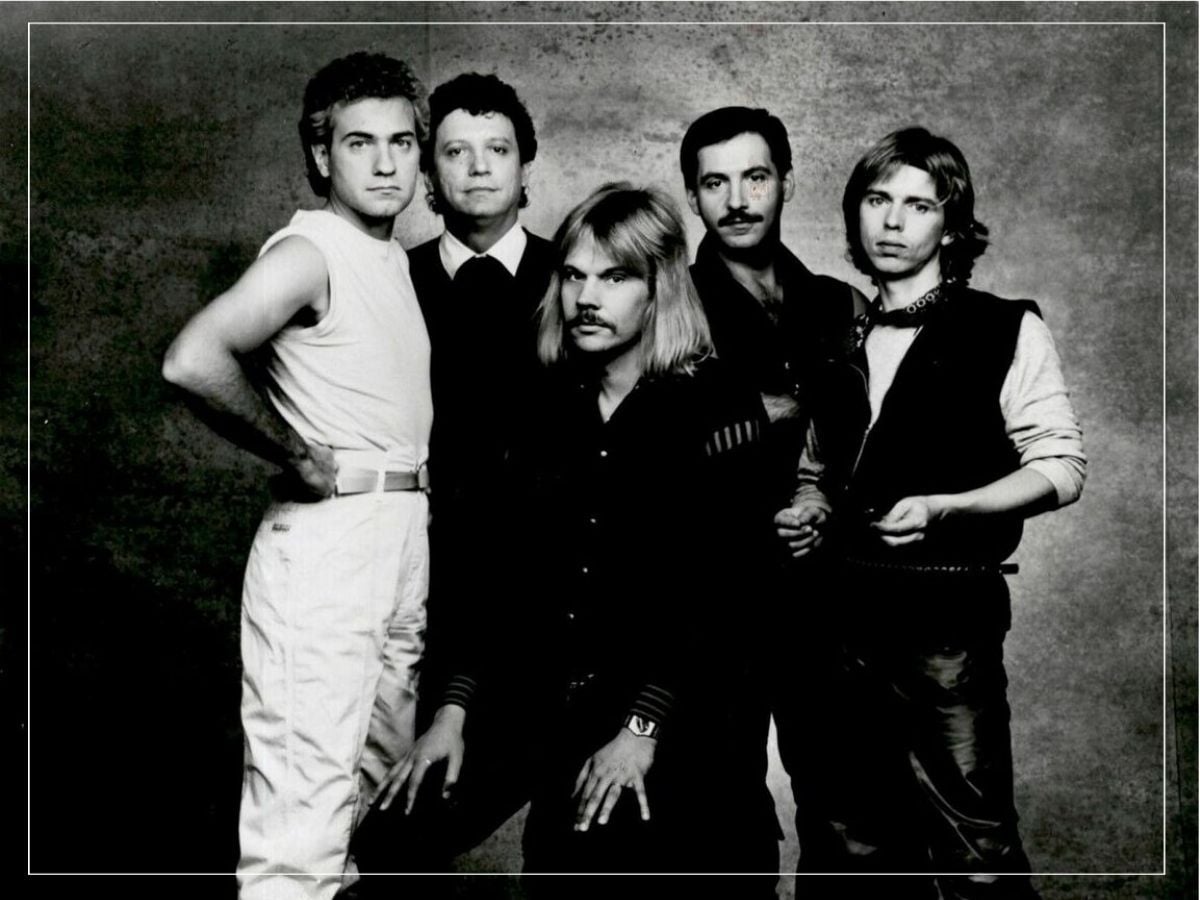
Styx, a classic rock band, emerged as a prominent figure in the music scene despite the rise of punk and new wave genres. While bands like Depeche Mode and The B-52s gained popularity, Styx maintained a strong following with their polished guitar attack and glossy balladry. Led by primary frontman Dennis DeYoung, Styx transitioned from progressive hard rock to pop-rock, producing hits like ‘Babe’, ‘Lady’, and ‘Mr Roboto’.
With over 20 million records sold, Styx experienced a commercial peak in the late 1970s and early 1980s. However, internal conflicts led to DeYoung's departure from the band in 1999 due to health issues. Despite efforts to reunite the original members, Styx continued with Lawrence Gowan taking DeYoung's place. DeYoung eventually sued for the rights to use the Styx name for his solo career, highlighting the lingering tensions within the band.
Speculation about DeYoung's leadership and musical direction fueled the band's decision to part ways with him. While DeYoung's health concerns were cited as the reason for his exit, comparisons were drawn to the band's support for bassist Chuck Panozzo during his HIV treatment. DeYoung's attempts to reconcile with the band have been unsuccessful, leaving him disappointed but grateful for the musical journey they shared.
In conclusion, Styx's legacy as a classic rock powerhouse endures despite the challenges and changes within the band. The band's evolution from progressive hard rock to pop-rock exemplifies their versatility and enduring appeal to fans. While the dynamics of the band have shifted over the years, Styx's music continues to resonate with audiences, showcasing their enduring influence in the rock music landscape.