Supreme Court's Ruling on National Guard Deployment in Chicago Sparks Controversy: Justice Alito's Dissent
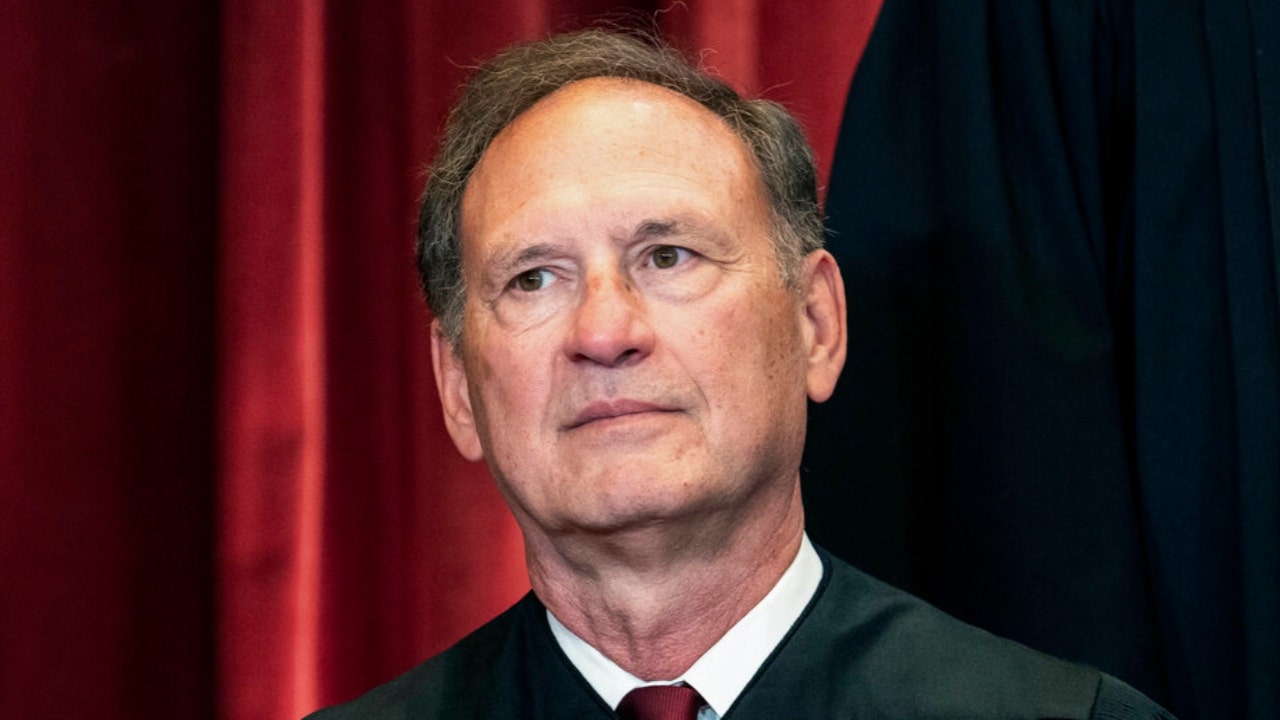
The Supreme Court's decision to temporarily block President Donald Trump from deploying the National Guard in Chicago was met with criticism from Justice Samuel Alito. Alito expressed his disapproval of the majority's ruling, stating that it was unwise and imprudent. He emphasized the importance of protecting federal officers from potential attacks, regardless of one's opinion on immigration enforcement.
The lawsuit arose from Trump's use of a federal law to federalize National Guard members to safeguard federal personnel and buildings in Chicago. The Trump administration argued that protesters were obstructing and threatening ICE officers, necessitating the National Guard's intervention due to the lack of adequate response from Illinois' Democratic leaders and local law enforcement.
The lower courts had previously blocked the National Guard's deployment, citing Trump's failure to meet the criteria outlined in the law for using reserved forces. The Supreme Court upheld this decision, clarifying that "regular forces" referred to the U.S. military, not civilian law enforcement like ICE. The majority emphasized the need to exhaust military options before resorting to the National Guard.
Justice Alito, joined by Justice Clarence Thomas, disagreed with the majority's interpretation, raising concerns about the implications of limiting the president's authority to use the military for domestic purposes. Alito warned against the potential consequences of requiring Trump to exhaust other military options before deploying the National Guard, highlighting the need for protective measures in certain situations.
The legal battle over the National Guard deployment in Chicago reflects broader debates surrounding the president's authority to address immigration enforcement and public safety issues. Despite the legal challenges faced by Trump in other cities, the Chicago case has progressed significantly in the court system. Alito stressed the importance of allowing soldiers to perform protective functions when necessary, rather than restricting their role to law enforcement activities.
Illinois argued that the ICE protests were mostly peaceful and that local law enforcement had the situation under control, urging the courts to prevent Trump from deploying the National Guard. The state emphasized its sovereign right to regulate law enforcement activities and expressed concerns about the potential infringement on its authority if the deployment proceeded unchecked.