Regrets and Resolutions: The Impact of TV Series Finales on Legacy
The conclusion of a television series can significantly impact its overall reception. Some series are remembered for their disappointing finales, tarnishing the show's legacy, while others are praised for wrapping up the story perfectly. Even with a talented creative team, a show can still fall short with its ending. Writers may sometimes regret the choices they made in the series finale, whether due to external factors like actors leaving or network interference, or simply because they would make different decisions if given the chance again. Spoilers lie ahead for the series discussed in this article.
In the case of "Battlestar Galactica," showrunner Ronald D. Moore expressed regret over the definitive ending he chose for the series. While he stands by the decision to end the show when they did, he now wishes he hadn't closed the door on the possibility of a reunion with the cast. Moore acknowledges that working with the original cast again would have been enjoyable, but he is content with the legacy they left behind.
The finale of "Dexter" left many viewers dissatisfied, as the titular character fakes his death and starts a new life. Showrunner Scott Buck revealed that he was restricted from killing off Dexter due to plans for a potential return of the character. The decision to give Dexter a fresh start was made to leave room for a spin-off series, rather than as a response to the negative reception of the original ending.
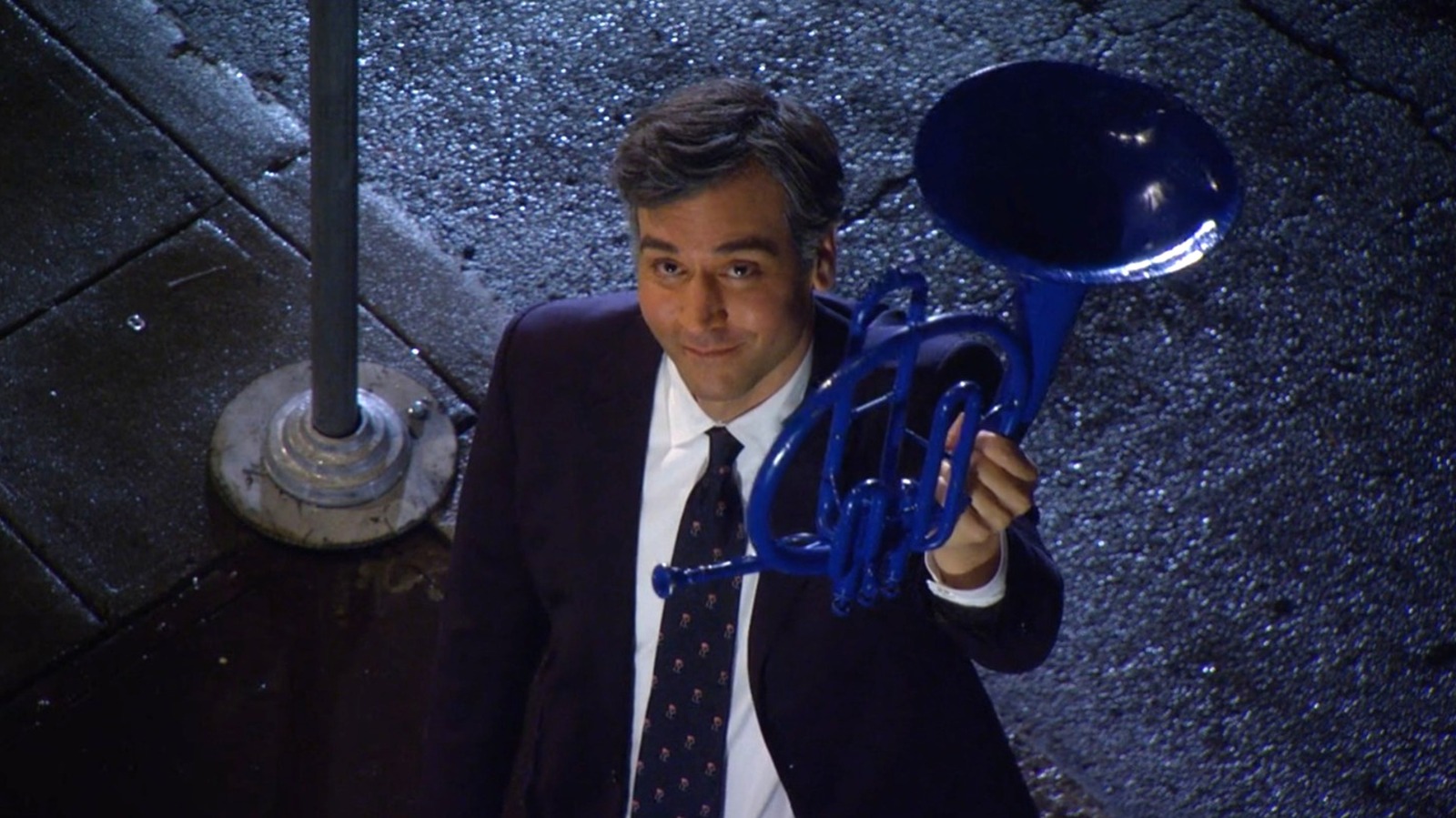
"How I Met Your Mother" faced controversy with its ending, as Ted ends up with Robin instead of the long-awaited mother. Co-creator Craig Thomas expressed regret over a deleted scene that could have clarified Robin's feelings for Ted, which might have helped viewers accept the conclusion. Thomas wishes the scene had made it into the final cut to better convey the intended message.
The conclusion of "Lost" left many viewers puzzled, as it suggested that the characters had been dead the whole time. Co-showrunner Carlton Cuse regretted using unaired footage from Season 1 in the final episode, as it unintentionally led to a misinterpretation of the series' overall narrative. The footage was meant to provide a narrative pause, but its inclusion created confusion among viewers.
In conclusion, the way a television series wraps up its story can significantly impact how it is remembered by audiences. Despite the best intentions of the writers and showrunners, some series finales may leave room for regret or misinterpretation. The decisions made in the final moments of a show can shape its legacy and influence how viewers perceive the entire series.