Starfleet Decisions: Shaping the Future of 'Star Trek
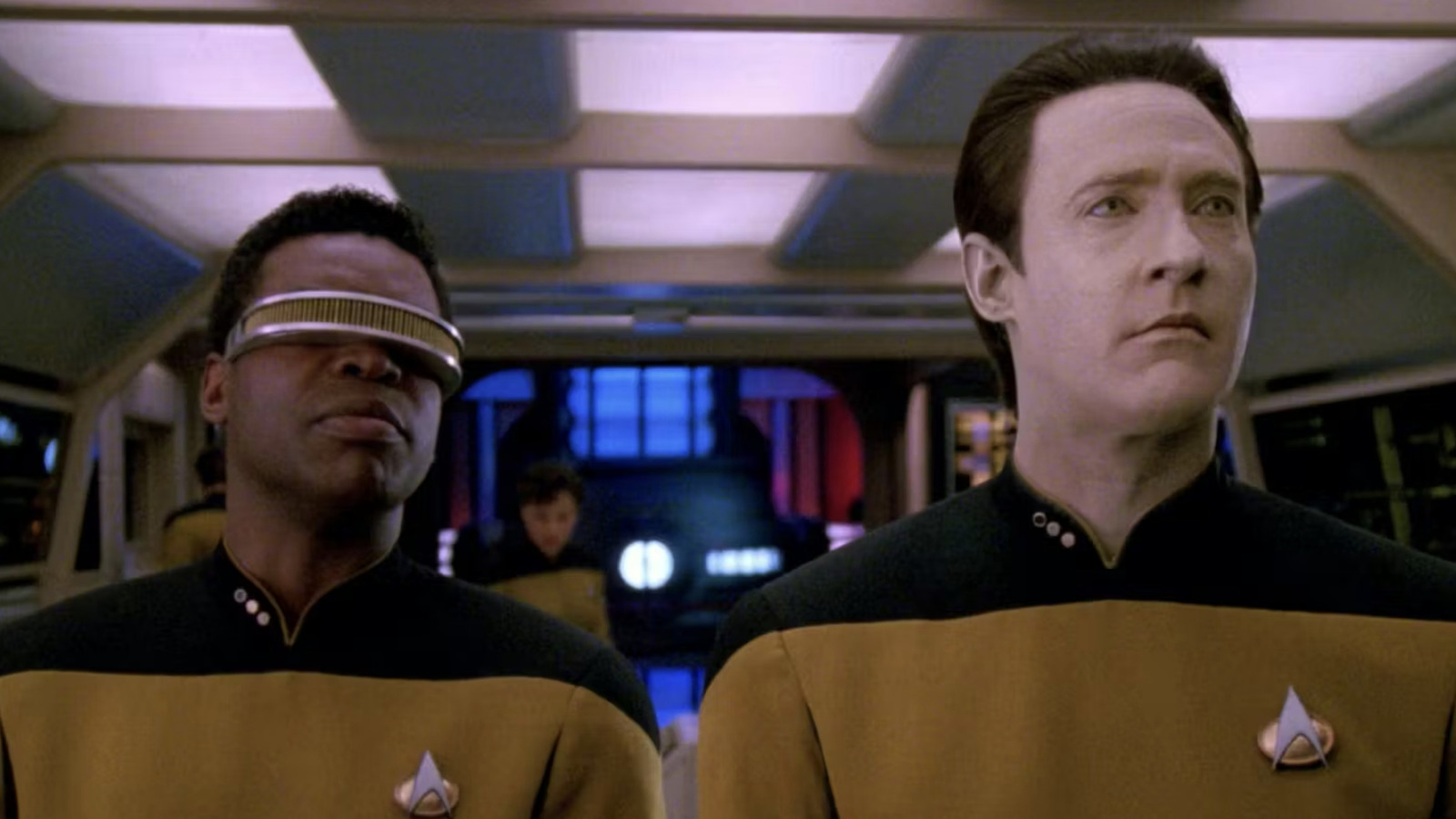
In the realm of "Star Trek," the decisions made by Starfleet crews can be a matter of life or death, regardless of their rank. These decisions can alter the course of events in a "Star Trek" story significantly. Some Starfleet decisions have a lasting impact on the franchise, shaping its future in ways that may not be immediately apparent. From exploring innocently to choosing between war and peace, here are 10 of the most influential Starfleet decisions in "Star Trek" history that have forever changed the franchise.
The introduction of the Cardassians in "Star Trek: The Next Generation" marked a significant retcon, revealing a race of villains engaged in a long-standing conflict with the Federation. This conflict led to the formation of the Maquis, a group of former Federation colonists living in Cardassian space. The Maquis storyline continued in "Star Trek: Deep Space Nine," impacting the series for years and even influencing the events of "Star Trek: Picard" and "Star Trek: Prodigy."
One of the most impactful Starfleet decisions occurred in "Star Trek VI: The Undiscovered Country," where the Federation extended an olive branch to the struggling Klingon Empire, leading to a newfound alliance between the two powers. This decision reshaped the Alpha Quadrant, prompting the Romulans to become a greater threat in their quest for interstellar supremacy.
Parallel realities also played a role in shaping the "Star Trek" universe, as seen in the episode "Yesterday's Enterprise," where Lt. Yar's decision to sacrifice herself altered the timeline. This decision led to the creation of Commander Sela, a Romulan military leader who posed a significant threat to the Federation.
In "Measure of a Man," Starfleet's decision to create more beings like Commander Data set the stage for a debate on the rights of sentient beings within the franchise. This decision had far-reaching consequences, culminating in the events of "Star Trek: Picard," where the rights of synthetic beings became a central issue.
The creation of the Kelvin Timeline in the 2009 "Star Trek" reboot reshaped the franchise, offering a fresh perspective on familiar characters and storylines. This alternate timeline was born out of Starfleet's decision not to aid the Romulans before their planet's destruction, setting off a chain of events that led to a new era in "Star Trek" storytelling.
Starfleet's decision to spare the Borg in "I, Borg" had unintended consequences, allowing the Borg to continue their quest to conquer Earth. This decision ultimately led to a final confrontation with the Borg Queen in "Star Trek: Picard," highlighting the complexities of showing mercy to ruthless enemies.
The discovery of the wormhole in "Star Trek: Deep Space Nine" led to a protracted war with the Dominion, a powerful alien empire in the Gamma Quadrant. Starfleet's decision to explore the Gamma Quadrant without heeding warnings from the Dominion set off a conflict that shaped the "Star Trek" universe for decades.
In the two-part episode "Redemption," Captain Picard's decision to expose the Romulan plot to aid a Klingon civil war had far-reaching consequences. This decision prevented the House of Duras from usurping the Klingon Empire and led to a closer relationship between the Federation and the Klingons, impacting future "Star Trek" stories.
These Starfleet decisions, whether made in innocence or in the face of war, have left a lasting imprint on the "Star Trek" franchise, shaping its narrative and characters in ways that continue to resonate with fans today.