From Lions to Ziplines: The Evolution of Hollywood Marketing Stunts
Hollywood thrives on public relations, with marketing being just as crucial as moviemaking. Steven Spielberg's 1975 blockbuster "Jaws" revolutionized the industry, leading to increased marketing budgets for potential box office hits. Even in Old Hollywood, publicity stunts were used to promote films, setting the stage for modern marketing strategies.
Marketing campaigns often aim for virality, but sometimes they can go too far. From Harry Reichenbach's lion-in-a-hotel-room stunt for "The Revenge of Tarzan" to Jim Moran's ostrich egg sit-in for "The Egg and I," these stunts generated buzz and controversy. The 1976 film "Snuff" capitalized on rumors of snuff films, sparking outrage and investigations.
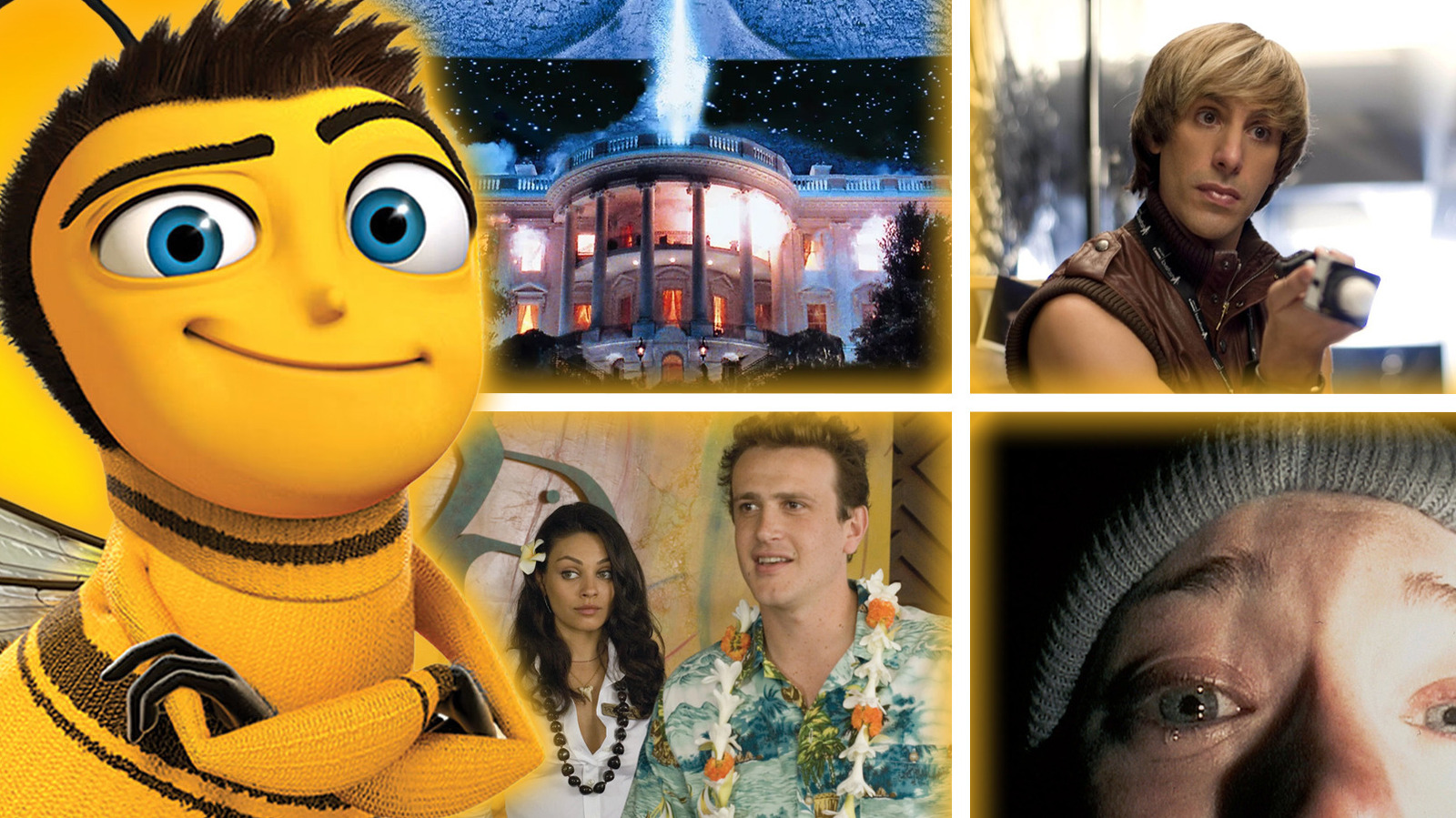
Innovative marketing tactics have been used throughout the years to promote films. "Million Dollar Mystery" offered a $1 million prize hidden in the Statue of Liberty, while "Independence Day" launched an elaborate campaign, including a fake news broadcast of an alien invasion. "The Blair Witch Project" pioneered viral marketing with a website that blurred the lines between reality and fiction.
Some marketing stunts have faced backlash for their controversial nature. "Blow" distributed mirrors associated with drug use, while "Mission: Impossible III" caused a bomb scare with its newsstand music boxes. Cartoon Network's LED signs for "Aqua Teen Hunger Force" led to a citywide panic in Boston, resulting in arrests and a hefty fine.
"Bee Movie" embraced absurdity in its marketing, with Jerry Seinfeld ziplining in a bee suit at Cannes. "Forgetting Sarah Marshall" stirred controversy with billboards targeting people named Sarah Marshall. While these stunts may have pushed boundaries, they succeeded in generating buzz and sparking conversations about the films.