Tomorrow Never Knows: The Beatles' Psychedelic Revolution in Music
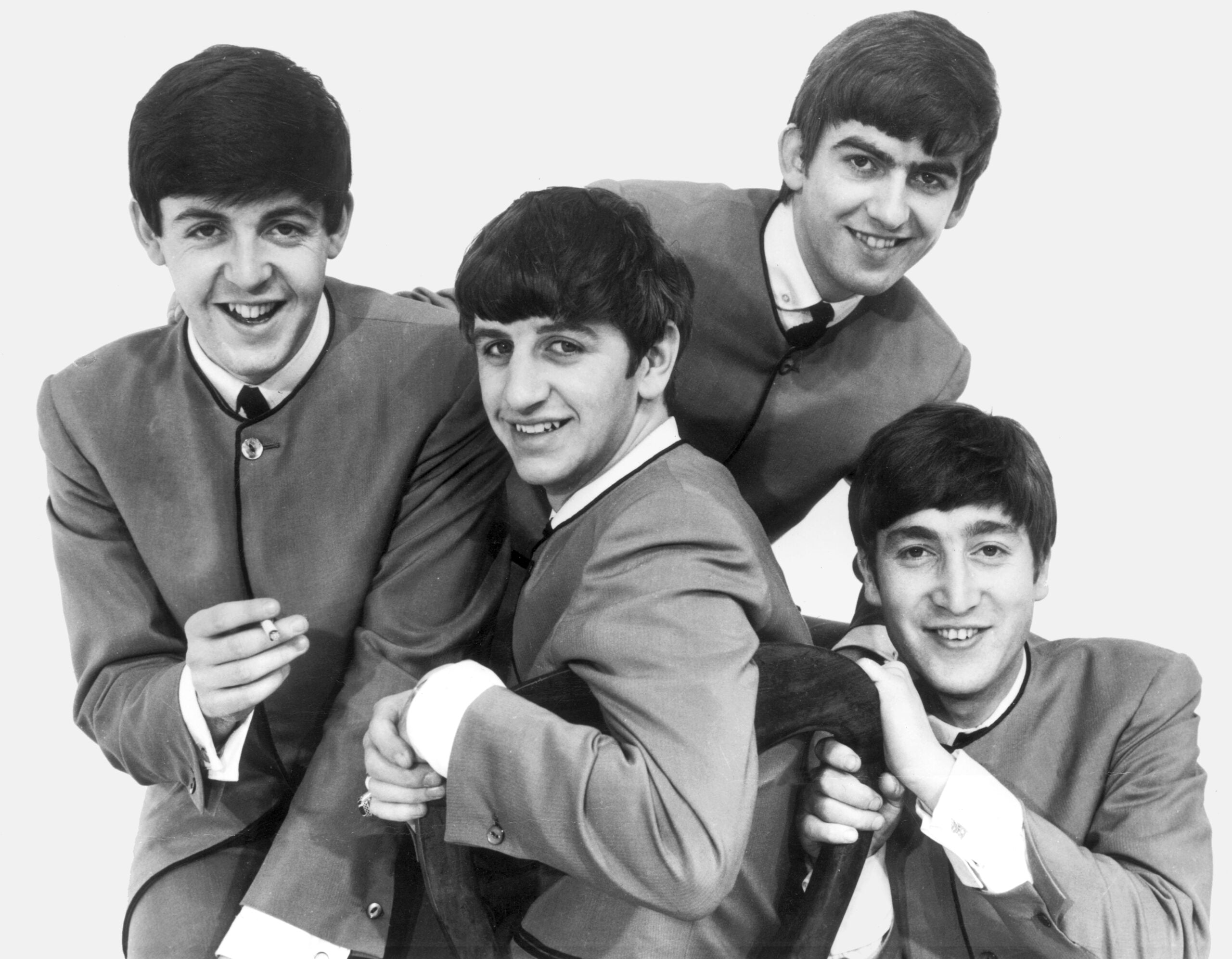
"The Beatles' iconic track 'Tomorrow Never Knows' served as a groundbreaking departure from their traditional pop sound, signaling a shift towards experimentation and innovation. Recorded as the first track for their album Revolver in 1966, the song showcased the band's willingness to push the boundaries of studio production and musical composition.
Drawing inspiration from John Lennon's LSD experience and readings from the Tibetan Book of the Dead, the song delved into abstract themes of awareness, life, and death. George Harrison's incorporation of Indian music elements added a unique drone-based structure, while Ringo Starr's unconventional drumming style introduced a rhythmic complexity that defied typical rock conventions.
Paul McCartney's interest in musique concrète led to the exploration of tape effects, including reversed sounds and altered speeds, creating a surreal sonic landscape. The band's use of innovative techniques such as vocal manipulation through a Leslie speaker cabinet and flanging effects further enhanced the song's psychedelic atmosphere.
'Tomorrow Never Knows' exemplified The Beatles' transition from hitmakers to respected artists, setting the stage for their groundbreaking work on albums like Sgt. Pepper's Lonely Hearts Club Band. By blending traditional rock elements with experimental approaches, the band redefined the possibilities of psychedelic music and left a lasting impact on the music industry."