The Digital Revolution: How the Internet Transformed the Music Industry
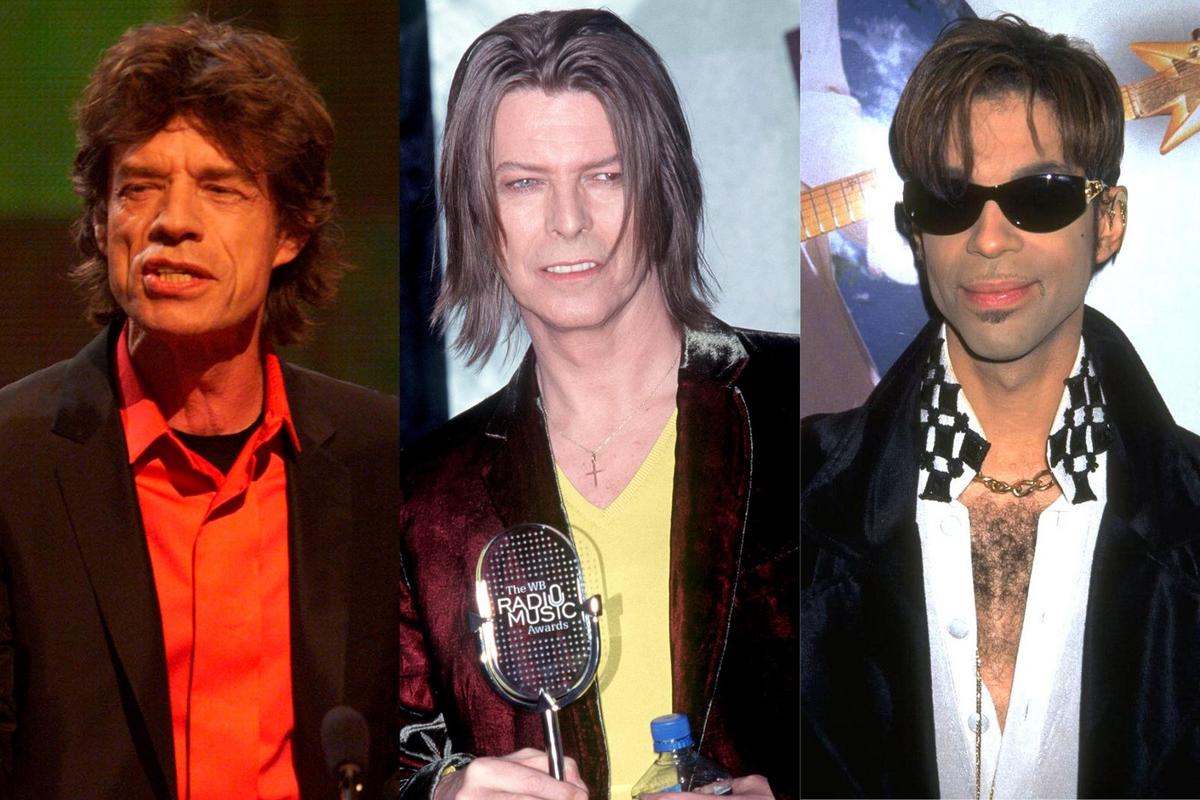
The music industry has undergone a significant transformation with the advent of the internet. Artists now heavily rely on online platforms for promotion and revenue generation. Many established artists, like the Rolling Stones, embraced the internet early on, live-streaming concerts and engaging with fans through online platforms. Mick Jagger, for instance, established his own broadcast company to stream sports events and shared music and content on his personal website.
Other artists, such as Megadeth and Radiohead, also recognized the potential of the internet for connecting with fans and promoting their music. However, concerns arose as music became more accessible online, leading to issues like unauthorized sharing of music. The Beatles, for example, delayed releasing their music on iTunes due to fears of piracy. Metallica even sued Napster over unauthorized distribution of their music.
Despite the benefits of the internet, some artists, like Jack White, have expressed frustration with the shift towards digital music consumption. Elton John even suggested turning off the internet to see how it would impact art creation. However, artists like David Bowie and Prince embraced the internet, with Bowie creating his own internet service provider and releasing music online. Prince, while utilizing online platforms for exclusive content, also cautioned against excessive reliance on the internet.
In conclusion, the internet has revolutionized the music industry, offering new opportunities for artists to connect with fans and distribute their music. While there are concerns about piracy and digital consumption, many artists have embraced the internet as a powerful tool for expanding their reach and engaging with audiences. The future of music in the digital age remains both exciting and uncertain, with artists navigating the complexities of online platforms to share their music with the world.