The BBC Funding Dilemma: Exploring Options for Charter Renewal
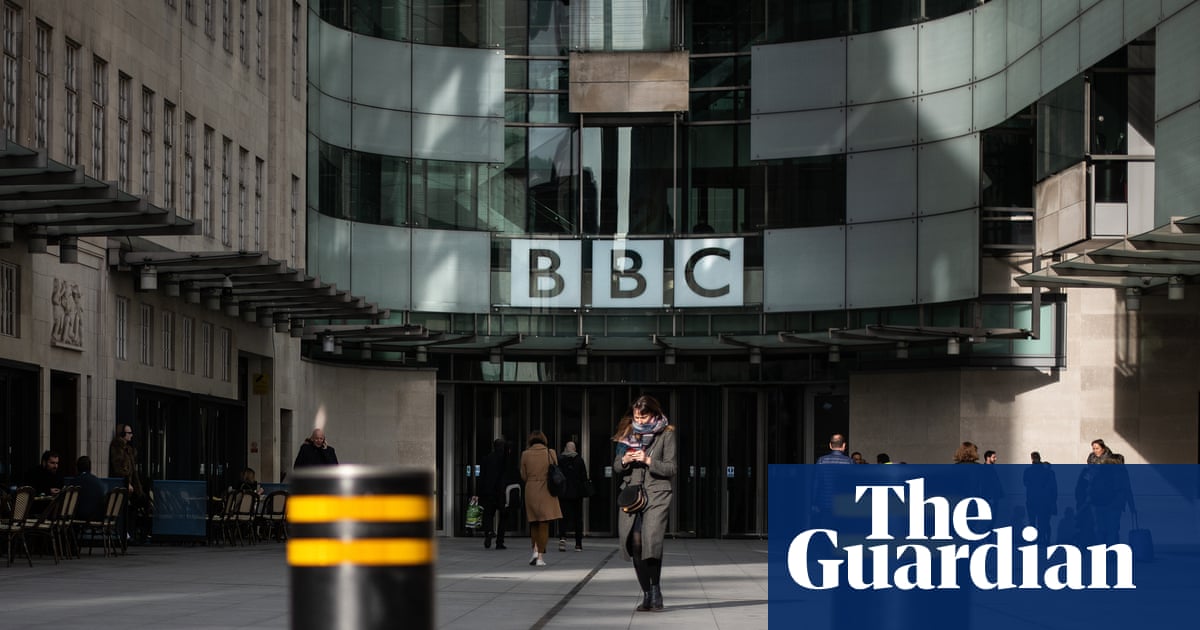
The BBC is facing a funding dilemma, with various options being considered, including a household levy, subscriptions, and advertising. The government's green paper on the BBC's charter renewal has sparked discussions on the future funding model. While some advocate for a household levy, others argue for a subscription-based model, similar to streaming services. However, the challenge lies in replacing the current £3.8bn licence fee revenue. The idea of introducing advertising has faced opposition, with concerns about commercial rivals and the impact on the BBC's programming.
Another proposal is to supplement the licence fee with an additional fee for premium content. This approach raises questions about access to popular shows and the principle of universality. A household levy, as used in Germany, could address non-payment issues and potentially make the funding system more progressive. However, it may lead to political controversy and resistance from those opposed to mandatory payments.
Despite calls for radical changes in the BBC's funding model, the likelihood of significant reforms remains low. The licence fee, with its universality principle, has been a longstanding model for funding public service media. While the number of non-payers has decreased, the majority of households still pay the fee. The most probable outcome for the BBC's charter renewal process is to continue with the licence fee, possibly with minor adjustments. The debate over the future funding of the BBC is ongoing, with the licence fee model likely to persist for the foreseeable future.