Breaking Boundaries: The Evolution of Music Diversity and Inclusivity in the Industry
As a passionate music enthusiast, I find it challenging to answer the question, "What genre of music do you listen to?" because my music taste is diverse and eclectic. I appreciate authenticity in all genres, reflecting the evolving cultural landscape that embraces a variety of musical styles. Gone are the days of music elitism, where certain genres were unfairly dismissed in favor of others.
The music industry faced a pivotal moment in 2008 when Jay Z was slated to headline the Glastonbury Festival. His selection sparked controversy due to outdated perceptions of rap music, rooted in systemic racism and prejudice. Despite Jay Z's undeniable influence and talent, some questioned his place on the prestigious stage, highlighting the need to challenge stereotypes and biases that marginalized certain genres.
Jay Z's groundbreaking performance at Glastonbury shattered misconceptions about rap music and paved the way for greater inclusivity in the music industry. It marked a significant shift towards recognizing hip-hop as a legitimate and respected genre, deserving of its place on major stages alongside other musical styles. This milestone event signaled a turning point in the industry's attitude towards diversity and representation.
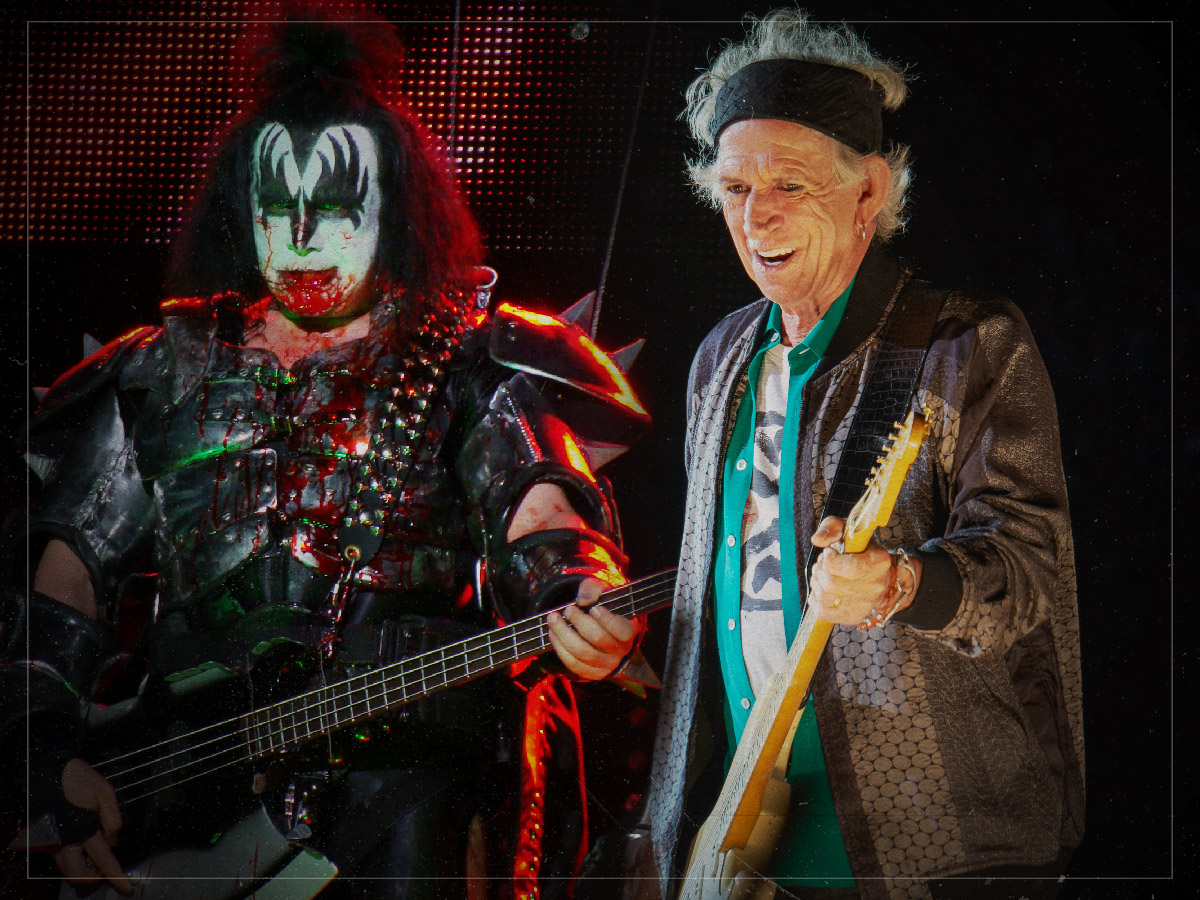
However, not everyone welcomed this change with open arms. Iconic figures like Keith Richards and Gene Simmons expressed disdain towards rap music, clinging to traditional notions of rock as the superior genre. Their dismissive remarks about rap's lack of melody and lyrical depth revealed a narrow-minded perspective that failed to acknowledge the artistic merit and cultural significance of hip-hop.
Simmons' emphasis on lyrics and melody as essential components of music overlooks the poetic and rhythmic intricacies of rap, which elevate storytelling and self-expression. Richards' criticism of rap's perceived simplicity disregards the complexity and creativity inherent in the genre's production and delivery. These critiques reflect a resistance to change and a reluctance to embrace the evolving landscape of music.
In conclusion, the music industry's journey towards inclusivity and diversity has been marked by challenges and resistance from traditionalists. Jay Z's groundbreaking performance at Glastonbury in 2008 symbolized a turning point in the industry's acceptance of rap music and paved the way for greater representation of diverse genres on mainstream platforms. As music continues to evolve, it is essential to celebrate the richness and variety of musical expressions without succumbing to narrow-minded biases and prejudices.