Wake Up Dead Man: A Gothic Exploration of Faith and Despair in the 'Knives Out' Series
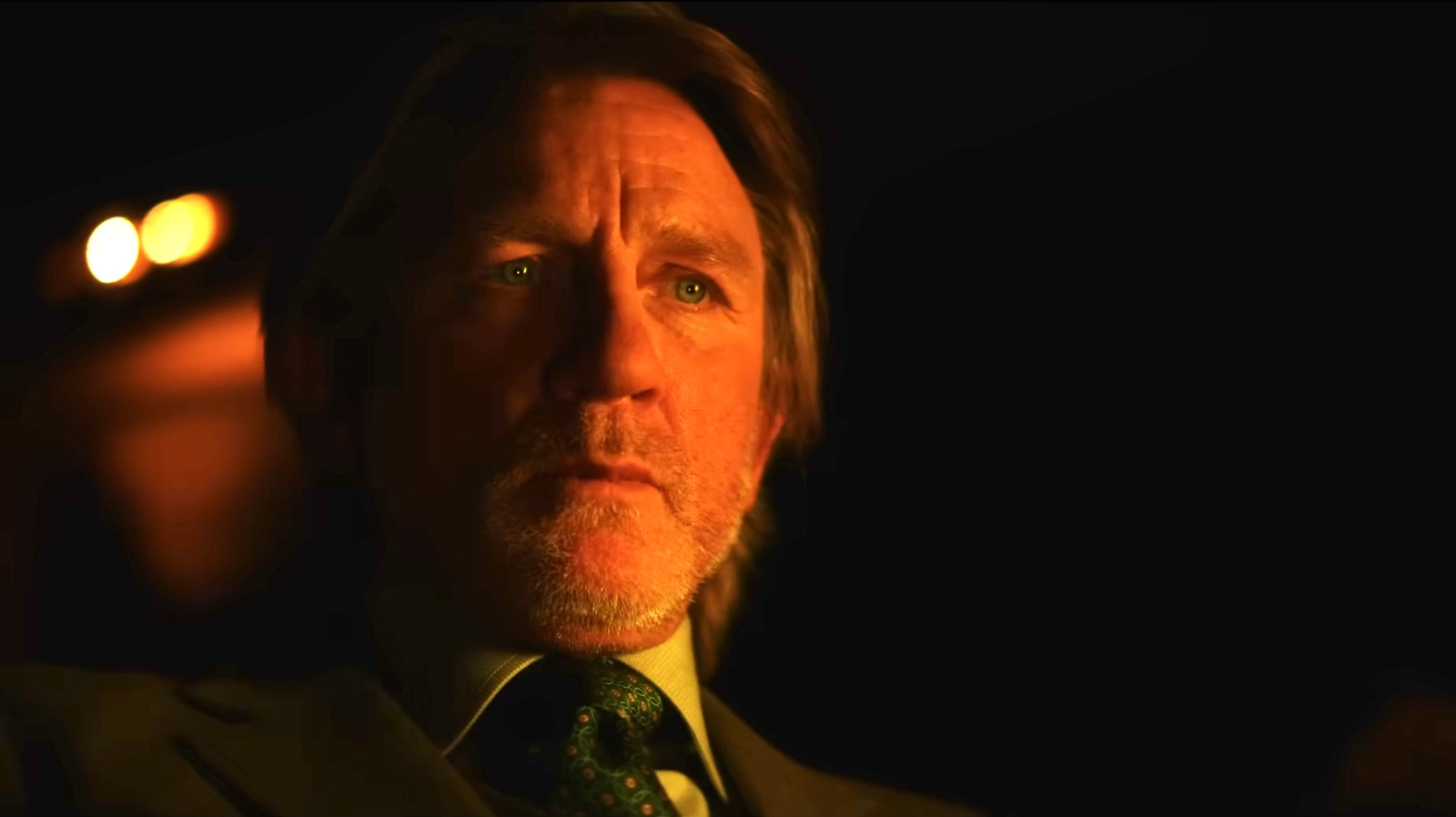
"Wake Up Dead Man" presents a darker and heavier tone compared to its predecessors in the "Knives Out" series. Set in a Gothic church, the film delves into themes of guilt, obsession, and despair, drawing inspiration from Edgar Allan Poe's gothic tales. The suspects in this mystery range from sad to despicable, creating a tense and eerie atmosphere throughout the story.
Unlike the previous films that focused on class commentaries, "Wake Up Dead Man" shifts its theme to faith. The main mystery revolves around spiritual stakes rather than financial ones, adding a different dimension to the narrative. Director/writer Rian Johnson explores modern-day archetypes through his characters, with Monsignor Jefferson Wicks embodying a cruel and domineering leader in contrast to Father Jud's compassionate and grace-driven approach.
The ideological battle between Wicks and Jud reflects larger societal issues, with the church serving as a metaphor for America. The film's exploration of political themes, particularly in relation to the MAGA movement, adds depth to the narrative. Despite its direct approach to American politics, the film's core focus remains on Jud's personal journey of faith and self-discovery, making it a compelling and thought-provoking watch.
"Wake Up Dead Man" tackles existential questions and religious beliefs with sincerity, highlighting the weight of Jud's crisis of faith. The collaboration between Jud and detective Benoit Blanc to unravel the mystery is driven by a sense of purpose and introspection, adding layers of complexity to the narrative. Overall, the film offers a compelling exploration of faith, guilt, and the search for meaning in a dark and intriguing setting.