Unadapted Stephen King Stories: Exploring the Challenges of Bringing These Tales to the Screen
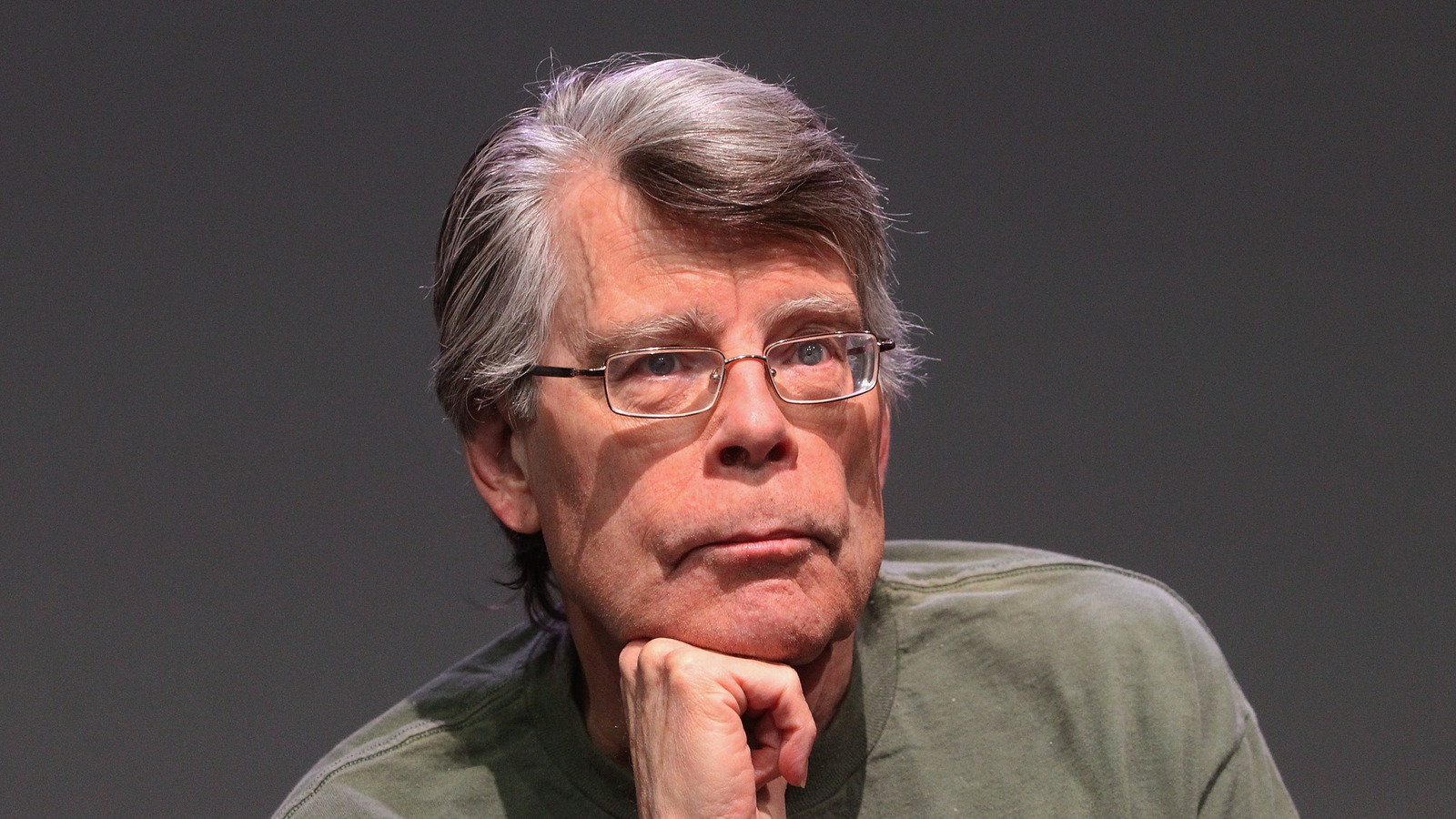
Stephen King's extensive collection of books and stories has been a popular source for film and TV adaptations over the years. From classics like "Carrie" and "The Shining" to more recent hits like "It," King's works have been brought to life on screen with varying degrees of success. However, there are still some stories that have yet to be adapted, and for good reason.
One such story is "The Library Policeman" from King's novella collection "Four Past Midnight." This tale, which features a shapechanging entity that preys on children's fears, lacks the depth and complexity of King's more famous works like "It." With its limited exploration of the narrative and controversial themes, "The Library Policeman" may not be a top priority for adaptation in the entertainment industry.
Another challenging story is "The Regulators," a novel published under King's pseudonym Richard Bachman. This complex tale involving mysterious black vans, telepathic children, and supernatural entities presents a high-concept and somewhat silly premise that may be difficult to translate to the screen. Coupled with its companion novel "Desperation," which focuses on a different storyline, "The Regulators" remains unadapted due to its intricate plot and large cast of characters.
"Insomnia," a novel from 1994, introduces a retired man with insomnia who becomes embroiled in a supernatural conflict involving beings from other dimensions. This story, which ties into King's larger mythology and features appearances by recurring characters, presents a challenge for adaptation due to its intricate lore and interconnected universe. Without proper exploration of King's overarching mythology, an adaptation of "Insomnia" may struggle to capture the essence of the novel.
Lastly, "Stationary Bike," a short story from 2003, follows an artist who loses weight by pedaling on a stationary bike and hallucinates laborers inside his body. This surreal and bizarre premise, coupled with a twist ending, may be too unconventional for mainstream adaptation. While some directors could potentially embrace the story's weirdness, the arthouse nature of the narrative may not align with traditional King adaptations.
In conclusion, while Stephen King's works have been a treasure trove for filmmakers and audiences alike, there are still some stories that remain unadapted due to their challenging themes, complex narratives, and unconventional premises. As the entertainment industry continues to explore King's vast bibliography, these untapped stories offer unique opportunities for future adaptations that push the boundaries of traditional storytelling.