From Frankenstein to Hulk: Exploring the Evolution of Misunderstood Monsters in Pop Culture
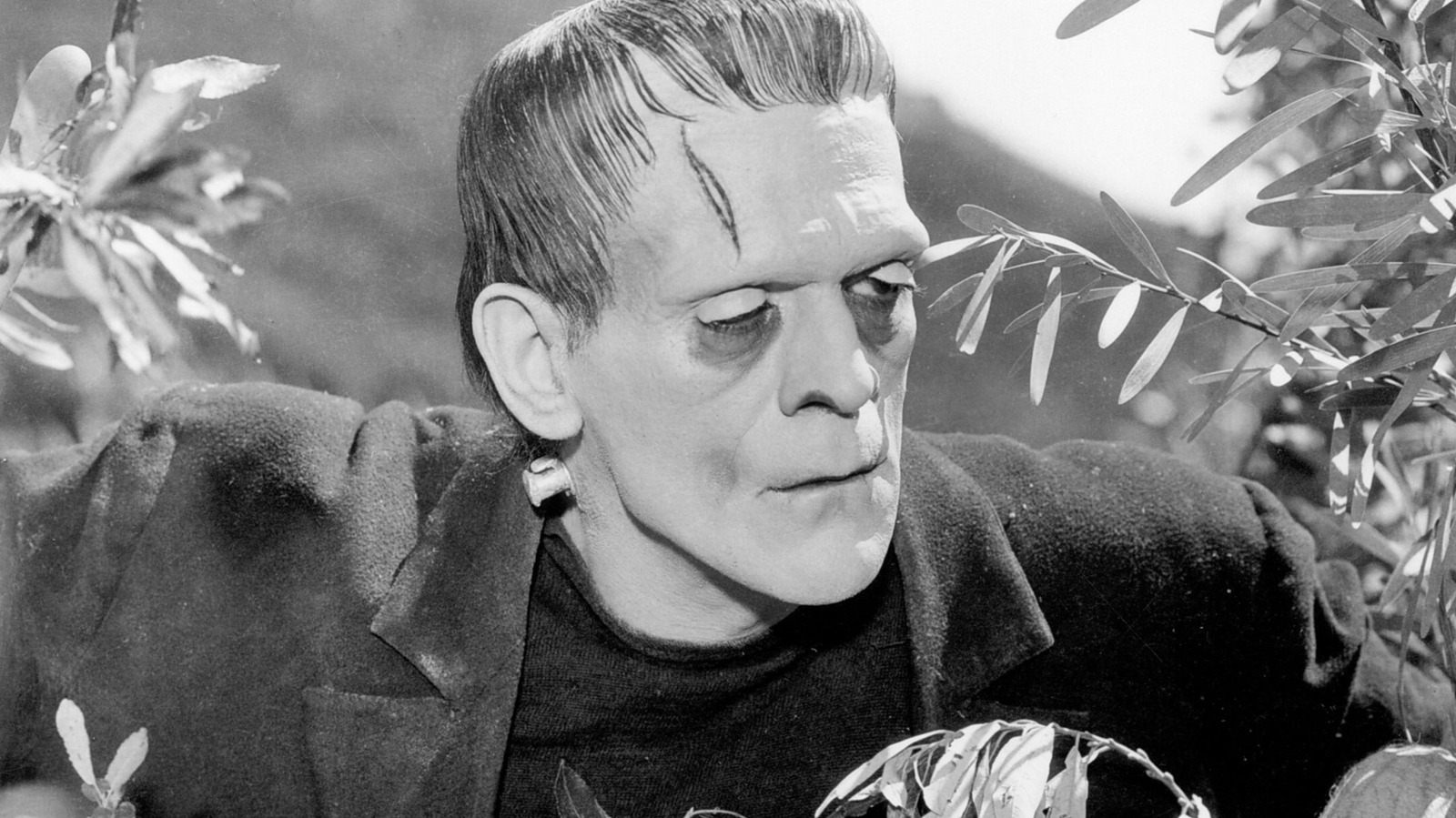
Guillermo del Toro's film "Frankenstein" showcases the Creature's immense strength in thrilling action sequences. The Creature embarks on a quest to find his creator and later performs a heroic act by freeing a ship from an icy prison, reminiscent of iconic superheroes like Superman or Marvel Comics' the Hulk.
Marvel Comics was revolutionized in 1960 with the introduction of the Fantastic Four by Stan Lee and Jack Kirby. The creation of the Hulk, a misunderstood and powerful character, further pushed the boundaries of conventional superheroes. The Hulk's origin story and duality draw inspiration from classic literary works like "Frankenstein" and "Dr. Jekyll and Mr. Hyde."
The influence of "Frankenstein" and "Jekyll & Hyde" on the Hulk's character is evident in his physical transformation and inner conflict. The Hulk's appearance, initially depicted with gray skin, later changed to green, resembling the iconic look of Boris Karloff's Frankenstein's Monster. The Hulk's evolution in personality and speech reflects a complex character with deep-rooted trauma and innocence.
While the Hulk and Karloff's Monster share similarities in their misunderstood nature and destructive tendencies, their personalities diverge in their interactions with humanity. The Hulk's resentment towards society and his struggle with control contrast with the Monster's lack of understanding and unintentional destruction.
The legacy of "Frankenstein" and classic monster tales continues to influence modern storytelling, as seen in the evolution of characters like the Hulk. The parallels between these iconic figures highlight the timeless themes of identity, power, and humanity's fear of the unknown.