Exploring David Bowie's Musical Evolution: From Glam Rock to Young Americans
David Bowie is widely regarded as one of the most influential and versatile songwriters in music history. His early albums, such as The Man Who Sold The World and Hunky Dory, showcased his talent for crafting catchy pop rock tunes. However, it was with the release of glam concept albums like Ziggy Stardust and Aladdin Sane that Bowie truly pushed the boundaries of his creativity.
Throughout the 1970s, Bowie continued to experiment with different musical styles, culminating in the release of groundbreaking albums like Station to Station, Low, and Heroes. Despite his innovative approach to music, Bowie's album Young Americans stands out as a departure from his usual sound. Some fans consider it a classic, while others view it as a misstep in his discography.
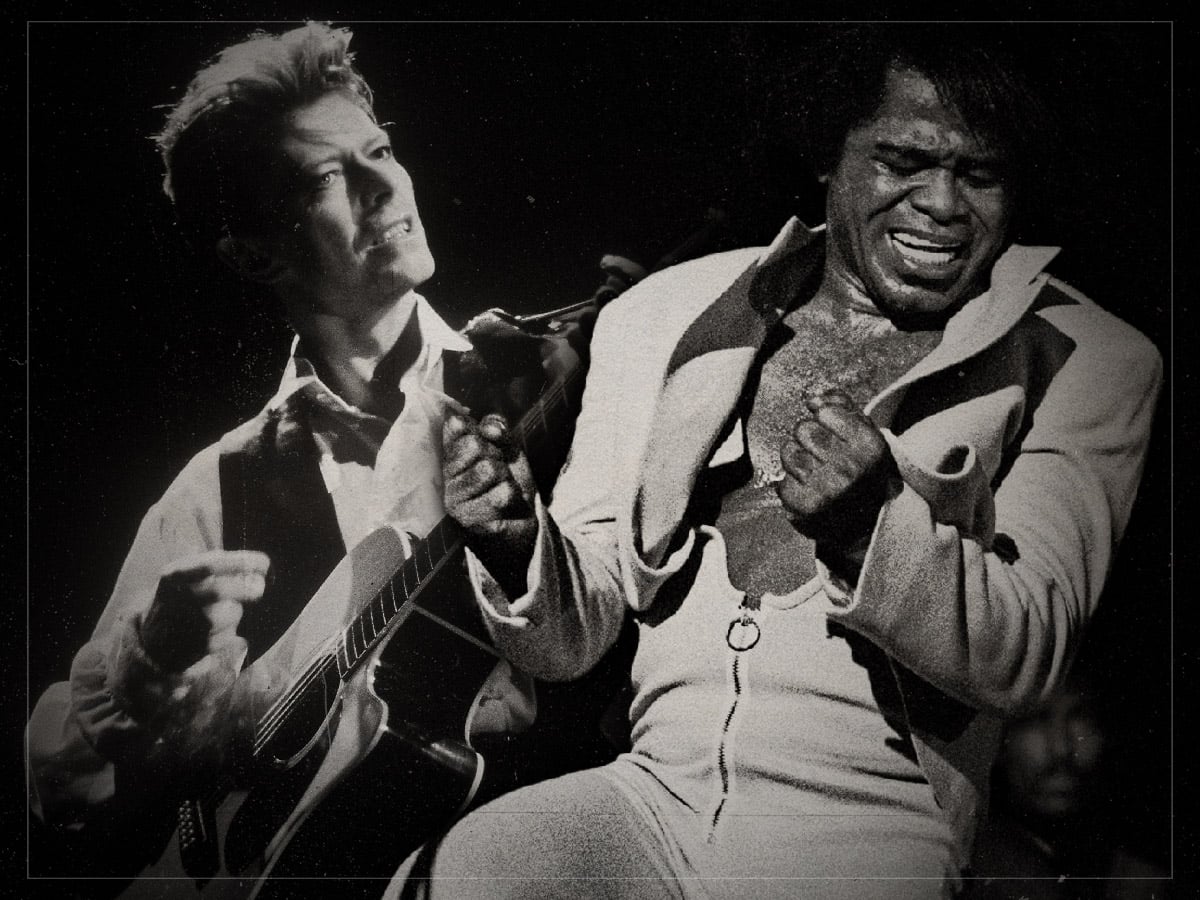
One of the standout tracks from Young Americans is "Fame," a song that showcases Bowie's willingness to explore new genres. However, it was revealed that the song's iconic guitar riff was inspired by a riff that Bowie's guitarist, Carlos Alomar, had heard while playing with James Brown. Bowie admitted that he may have unintentionally borrowed elements from Brown's music, but he added his own unique touch to create a memorable track.
Despite the similarities between "Fame" and James Brown's "Foot Stompin'," Bowie's interpretation of the riff helped the song stand out as a highlight of the Young Americans album. While some may criticize Bowie for inadvertently drawing inspiration from Brown's music, there's no denying the impact and success of "Fame" as a testament to Bowie's daring and innovative spirit.