Exploring the American Music Fairness Act: Perspectives from Gene Simmons, SoundExchange, and Industry Figures
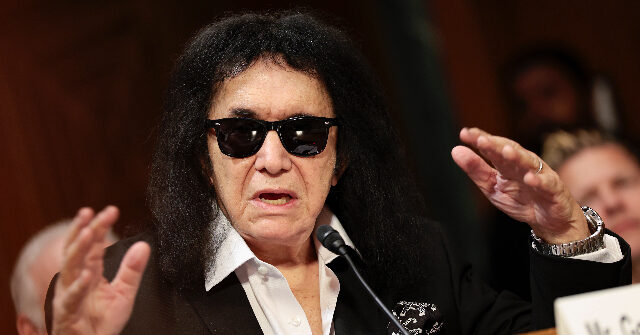
Gene Simmons and other music industry figures recently testified both for and against the proposed American Music Fairness Act during a Senate Judiciary subcommittee hearing in Washington. Simmons expressed his support for the bill, which aims to require AM/FM radio stations to pay royalties to copyright holders for the music they play. He highlighted the importance of recognizing the contributions of artists like Elvis Presley, Frank Sinatra, and Bing Crosby, who he believes are not adequately compensated by radio broadcasters.
Michael Huppe, the president and CEO of SoundExchange, also testified in favor of the act, emphasizing that radio corporations have generated significant ad revenue while recording artists have received no compensation. He pointed out that the United States is the only country that does not pay performers when their music is played on radio, contrasting this with practices in countries like Russia and China. Huppe argued that online streaming services pay artists, but AM/FM stations do not, despite their substantial advertising revenue.
Huppe further explained that foreign governments collect royalties on U.S.-made music from their broadcasters and distribute them to local artists, highlighting the disparity in treatment between different music delivery platforms. He underscored the need for fairness and equity in compensating artists for their work, particularly in light of the changing landscape of music consumption where online platforms play a significant role in introducing new music to audiences.
On the other side of the debate, Henry Hinton, president of Inner Banks Media and a talk radio host, opposed the American Music Fairness Act, expressing concerns about the potential negative impact on the more than 5,100 free radio stations in the country. He emphasized the unique role that broadcast radio plays in serving local communities, providing essential information, entertainment, and support during emergencies and natural disasters. Hinton argued that imposing a new performance royalty on local radio stations could harm both stations and artists, disrupting the collaborative partnerships that exist between them.
The Senate Judiciary subcommittee hearing delved into the complexities of the music industry and the evolving relationship between artists, broadcasters, and listeners. The debate over the American Music Fairness Act reflects the ongoing discussions about fair compensation for artists and the role of different platforms in promoting and distributing music. As the music landscape continues to evolve, finding a balance between supporting artists and ensuring the viability of radio stations remains a key challenge for policymakers and industry stakeholders alike.