Embracing Responsibility: BTS, Soft Power, and South Korea's Cultural Influence
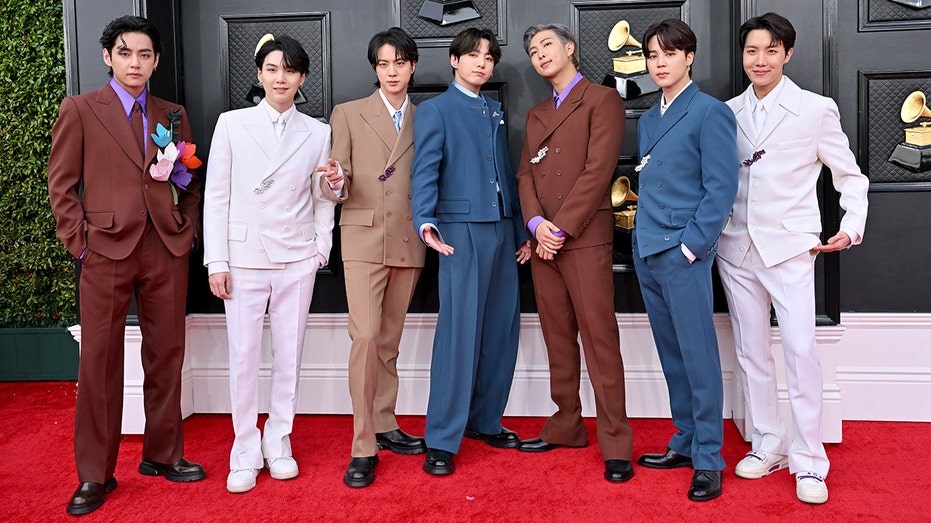
When the South Korean boy band/K-pop sensation BTS returns to the stage in Seoul after a four-year touring hiatus, it will not only mark their comeback but also validate a strategic decision that showcases the power of cultural influence. In 2022, at the peak of their global success, BTS chose to fulfill their mandatory military service, a move supported by their management company HYBE. This decision demonstrated that embracing responsibilities rather than seeking exemptions can enhance credibility and strengthen soft power.
Soft power, generated by creative individuals and companies, plays a crucial role in bolstering a nation's influence on the global stage. South Korea has excelled in creating cultural phenomena like K-pop that captivate audiences worldwide. However, there is a growing concern about how the country treats the architects of this success once they achieve significant scale. South Korea's cultural preeminence emerged from creative ambition, commercial acumen, and a supportive regulatory environment that allowed for experimentation.
Despite the success of cultural exports like K-pop, there is a tendency in South Korean public life to view popularity as suspicious. Figures like Bang Si-hyuk, the producer behind BTS and HYBE, face scrutiny over corporate governance issues once their ventures achieve success. This pattern of bold risk-taking leading to soft power generation followed by investigations poses a threat to future cultural innovation and entrepreneurship in South Korea.
While countries like China have attempted to manufacture soft power through state-directed enterprises, South Korea's success lies in its free enterprise system that creates cultural exports with global appeal. To maintain and enhance its soft power assets, South Korea must protect and support its cultural champions while fostering an environment that encourages creativity and risk-taking. The decision of BTS to fulfill their military service obligations exemplifies the alignment of national interest, artistic endeavors, and corporate support.
As South Korea looks to capitalize on its cultural influence and maintain its status as a cultural superpower, it must recognize the value of nurturing and protecting the individuals and companies that drive global cultural enterprises. The success of BTS and other cultural exports should serve as a reminder of the potential that lies in supporting creative ambition and innovation. South Korea's future soft power depends on its ability to embrace and empower the next generation of cultural entrepreneurs.
In conclusion, South Korea's journey to becoming a cultural superpower was not accidental, and it should not risk losing its global influence by failing to support and protect its cultural assets. The success of BTS and other cultural exports demonstrates the potential for global impact when national interest, artistic endeavors, and entrepreneurial spirit align. South Korea must prioritize fostering an environment that encourages creativity, innovation, and risk-taking to ensure its continued success in the realm of soft power.