Environmental Justice Rollback: Houston's Illegal Dumping Concerns
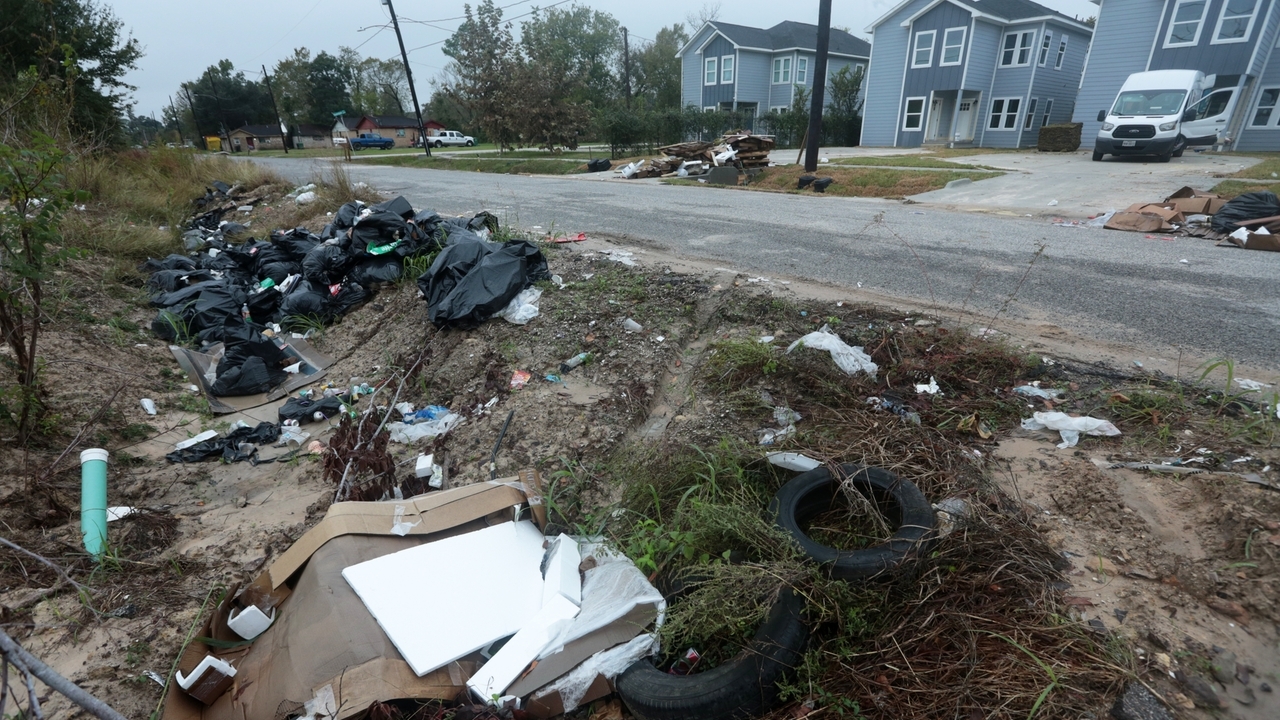
The U.S. Justice Department has terminated an agreement with Houston to address illegal dumping in Black and Latino neighborhoods, as part of the Trump administration's rollback of environmental justice efforts. The federal monitoring of the situation in Houston's Trinity/Houston Gardens neighborhood was quietly ended this year, leading to concerns from residents and advocates about the city's responsiveness to the ongoing dumping issues. The city had previously agreed to federal monitoring following an investigation that revealed widespread illegal dumping of various waste materials in the neighborhood.
Former Mayor Sylvester Turner initially dismissed the DOJ investigation findings as baseless but later agreed to the federal monitoring. The settlement required three years of federal oversight, data reporting, and community outreach efforts. However, the Trump administration's directive to eliminate environmental justice programs led to the termination of the settlement, which was set to expire in June 2026. This move was part of a broader effort to halt diversity, equity, and inclusion programs across federal agencies.
In addition to Houston, the Trump administration also ended an agreement with Alabama over persistent wastewater issues in Lowndes County, a predominantly Black community facing sanitation challenges. The termination of these agreements has raised concerns among environmental justice advocates, who argue that the administration fails to understand the impact of these issues on affected communities. Illegal dumping remains a significant problem in Houston, with thousands of complaints reported this year, highlighting the ongoing challenges faced by residents in addressing environmental justice issues.
The decision to withdraw from the Houston agreement and similar settlements reflects the Trump administration's broader stance on environmental justice initiatives. The lack of federal oversight in addressing illegal dumping in Black and Latino neighborhoods has left residents feeling ignored and underserved. The termination of these agreements underscores the need for continued advocacy and action to address environmental injustices in communities across the country.