Legal and Ethical Concerns Surrounding Trump Administration's Drug Smuggling Boat Strikes
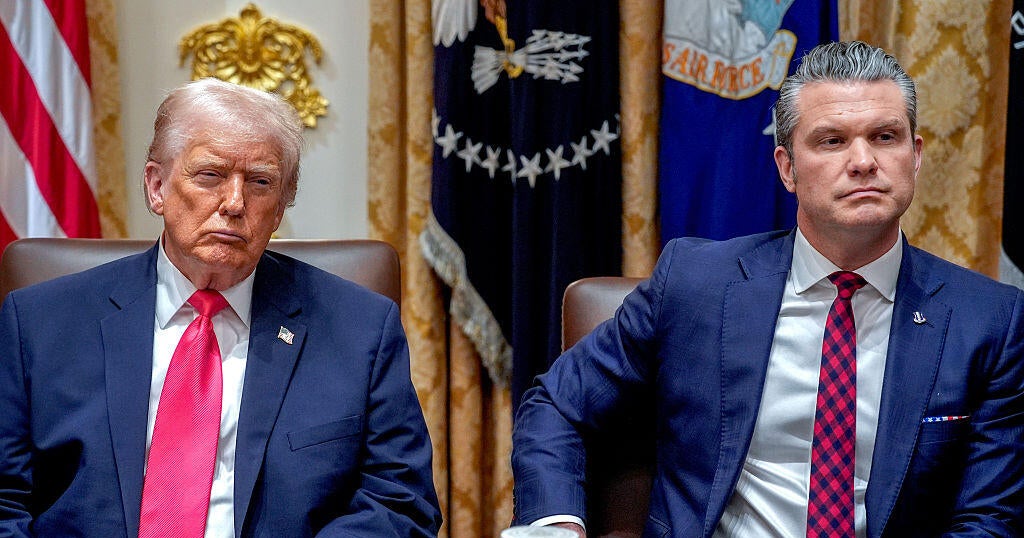
The Trump administration's recent strikes on alleged drug smuggling boats have come under scrutiny after reports revealed that the first U.S. attack involved at least two strikes, resulting in the deaths of survivors. The White House confirmed that a verbal order was given to "kill everybody" during the Sept. 2 strike in the Caribbean Sea. President Trump stated that he did not order the death of the two men and expressed concerns about the second strike. Since then, the U.S. has conducted 20 more attacks, killing over 80 people accused of drug trafficking in the Caribbean and eastern Pacific Ocean.
Members of Congress, particularly Democrats, have raised questions about the legality of the strikes and warned of potential escalation into war with Venezuela. The Trump administration claims to be in a "non-international armed conflict" with drug cartels designated as terrorist organizations, justifying the use of lethal force. However, legal experts and lawmakers argue that the president lacked the authority to carry out the strikes without congressional approval.
The administration's justification for the strikes as part of an "armed conflict" with drug cartels has been challenged by legal experts, who argue that the cartels do not meet the criteria of organized armed groups under the law of armed conflict. Designating them as terrorist organizations does not grant the administration the authority to use military force in the manner it has. The intentional killing of defenseless survivors may have crossed a legal line, violating the Geneva Conventions and the Defense Department's Law of War Manual.
Following the Sept. 2 strike, a change in protocol was implemented to prioritize rescuing survivors. Recent strikes have resulted in survivors being rescued and repatriated to their countries of origin. The alleged killing of survivors in a follow-up strike has sparked debate about whether it constitutes a war crime. Lawmakers and military experts are questioning the legality of the strikes and whether domestic laws governing armed conflict have been violated. The situation raises concerns about the use of lethal force without due process and the adherence to international laws and conventions.