Unveiling Led Zeppelin IV: The Legendary Rock Masterpiece with Cryptic Symbols
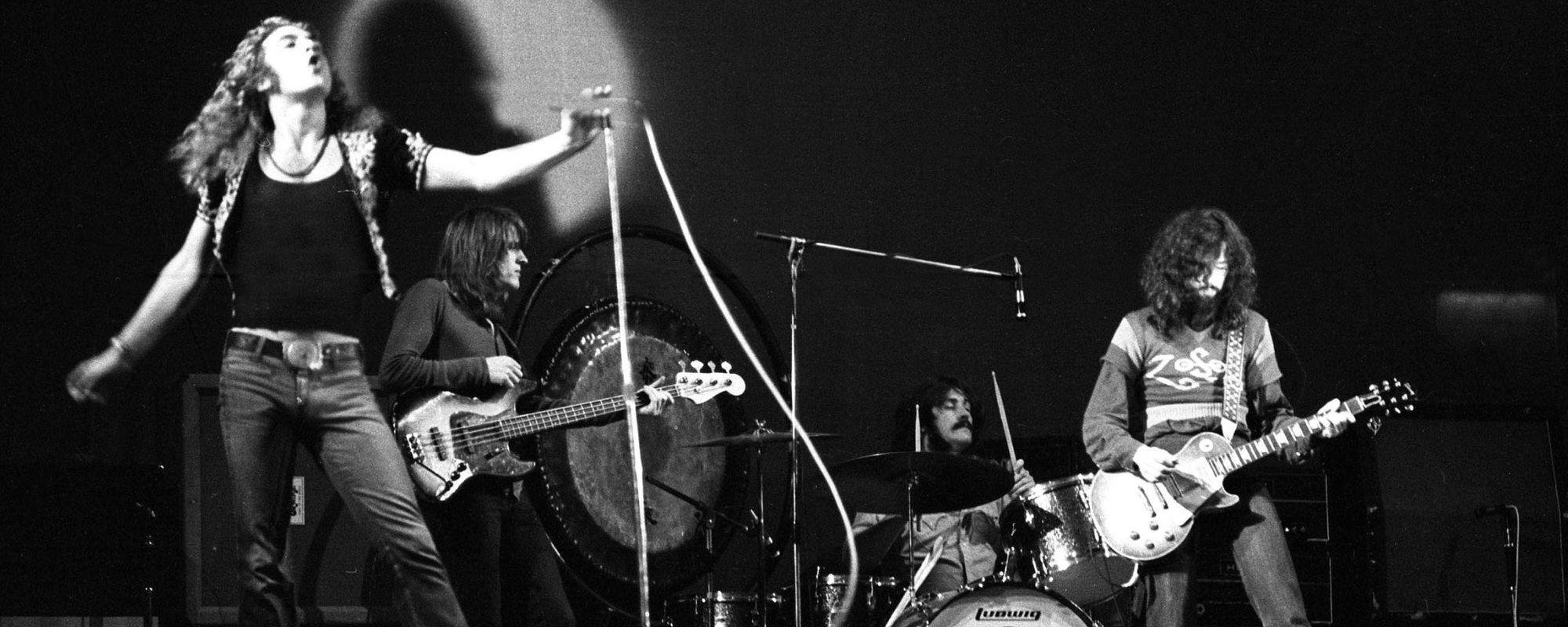
Led Zeppelin's fourth album, released in 1971, is a legendary rock masterpiece that remains nameless, represented only by cryptic symbols. The album seamlessly blends the hard rock energy of their earlier works with acoustic elements, as showcased in tracks like "Going To California," inspired by Joni Mitchell's music. The band's recording sessions at Headley Grange, an isolated English estate, led to serendipitous moments like the creation of "Rock And Roll" from a spontaneous jam session.
The remote location of Headley Grange allowed Led Zeppelin to focus solely on their music, resulting in tracks like "Black Dog," named after a resident canine. "The Battle For Evermore" was born from Jimmy Page's experimentation with the mandolin, with lyrics inspired by historical readings and featuring Sandy Denny as a guest vocalist. The album concludes with the monumental "When The Levee Breaks," a blues interpretation that found its signature sound when John Bonham's drums were strategically placed in the estate's lobby.
Led Zeppelin IV stands as a testament to the band's musical prowess and innovative approach to songwriting, solidifying their place in rock history.