No Place To Run: UFO's Resilience and Evolution in the Late 1970s
UFO, a band on the brink of stardom in the late 1970s, faced a setback when their guitarist Michael Schenker left. Despite their success, internal conflicts led to Schenker's departure during the recording of their live album Strangers In The Night. The band's value was deemed more important than one person, and they moved forward without him.
No Place To Run marked a new chapter for UFO, with Paul Chapman returning as the guitarist. The decision to bring him back was not unanimous, but he brought stability to the band. Despite considering other guitarists like Steve Hunter and Edward Van Halen, Chapman's experience and compatibility made him the obvious choice.
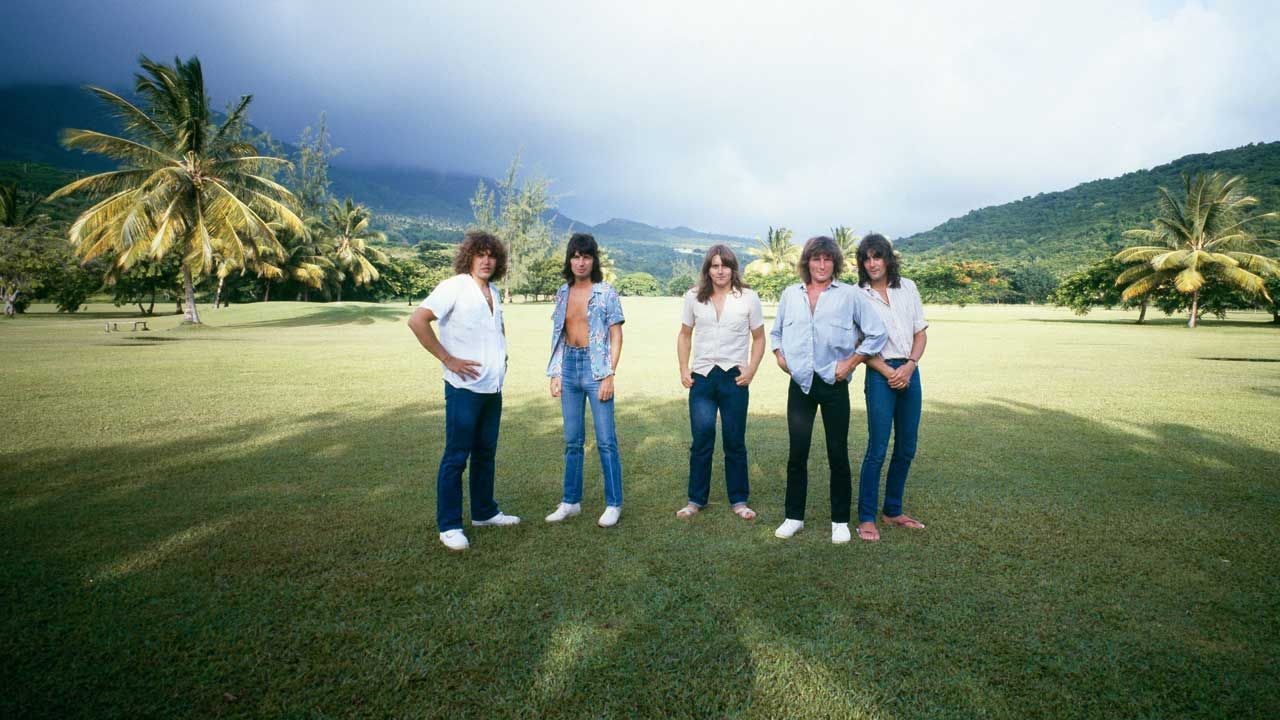
The album was recorded in Monserrat, a Caribbean island, with the legendary producer George Martin. The band's experience on the island was a mix of primitive living conditions and distractions, but the studio work with Martin was a more civilized affair. The album's sound was a departure from their previous work, with mixed reviews upon its release.
Despite the lukewarm reception, No Place To Run showcased UFO's energy and talent. The band's tour sold out rapidly, and they co-headlined the Reading Festival. The album's remastered version includes a live recording from the Marquee club, capturing UFO's dynamic performance.
Looking back, the album has aged well, with some tracks standing out as highlights. While the band faced challenges with record company neglect and management issues, they continued to create music. Phil Mogg's new project, Moggs Motel, hints at more music to come, showing his ongoing passion for creating and performing. The band's legacy lives on through their music and performances, leaving a mark on the rock music scene.