Debate Over Deadly Force: Trump Administration's Controversial Actions in Drug Smuggling Interdictions
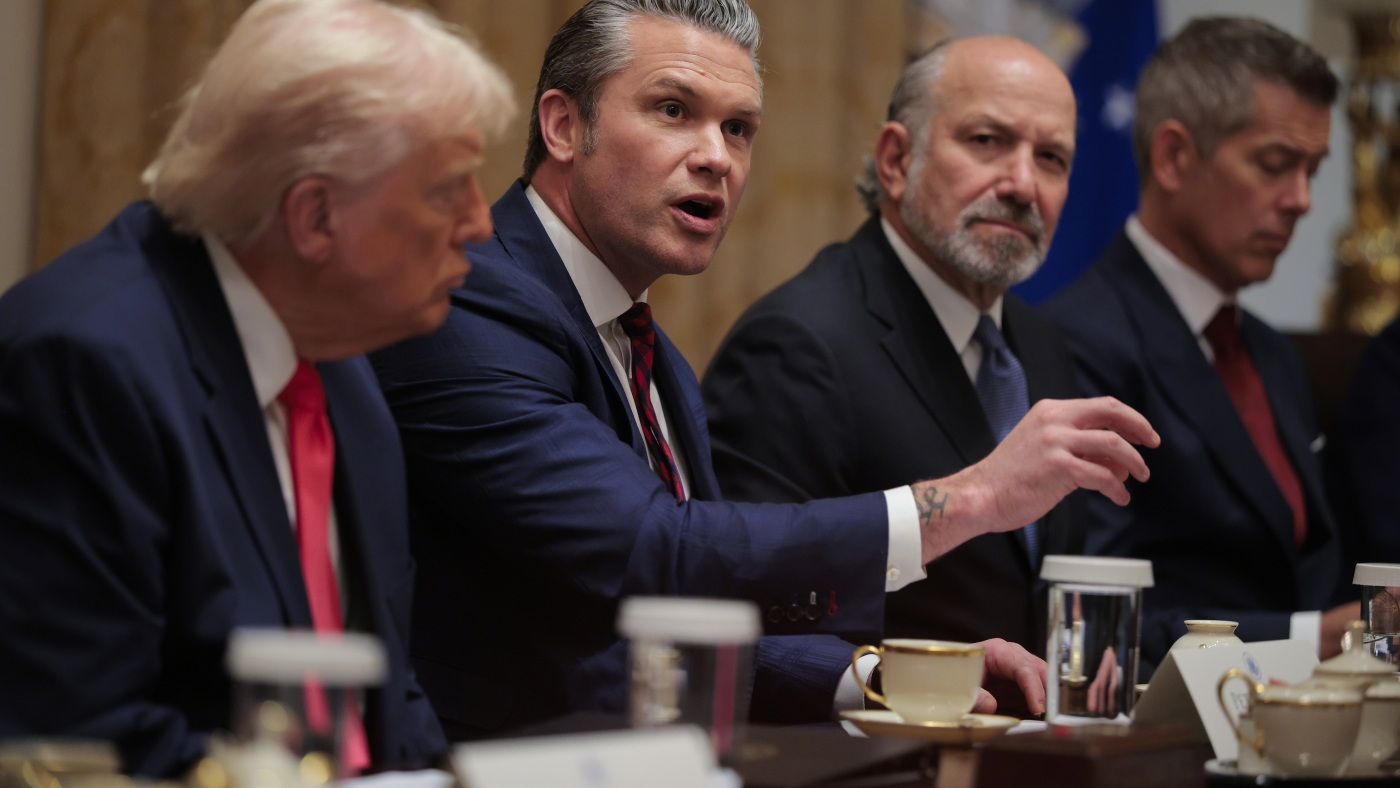
The Trump administration has been under scrutiny for its decision to target and kill the crews of small boats suspected of smuggling drugs from South America to the U.S. There is confusion surrounding who authorized the use of deadly force in these incidents, with Defense Secretary Pete Hegseth claiming he authorized the initial attacks but did not order the subsequent strikes that killed survivors. The legality of these orders has been questioned, with some suggesting that they could lead to prosecution of servicemembers involved.
The debate within the military over the use of deadly force on civilian crew and passengers has intensified since the first strike three months ago. The Trump Justice Department provided a memo to Congress stating that the U.S. is in a non-international armed conflict with drug cartels, justifying the strikes as within the laws of war. However, there are concerns about the ambiguity of the memo and the responsibility for giving the orders.
The incident on September 2, which involved two sets of strikes on a boat and the killing of survivors, has raised further questions about the legality of the actions taken. The Trump administration has defended the strikes as necessary to combat narcoterrorism and save lives, but critics argue that the U.S. cannot be at war with the criminal world of narcotrafficking in a legal sense. The use of deadly force without clear rules or consequences is seen as setting a dangerous precedent.
President Trump and Hegseth continue to justify the strikes as effective in combating drug trafficking, despite concerns about the accuracy of the intelligence leading to the deadly attacks. Republican Sen. Rand Paul has raised questions about the effectiveness of the Coast Guard interdictions, suggesting that a significant number of the deadly strikes may be based on faulty information. Trump claims to have saved hundreds of thousands of lives through these actions, but the details and evidence supporting these claims remain unclear.
The conflicting messages from the Trump administration regarding the responsibility for the deadly strikes and the impact of these actions on drug trafficking raise serious legal and ethical concerns. The lack of transparency and accountability in these operations undermines the safeguards international law provides for protecting civilians in conflict situations. The upcoming congressional hearings with Adm. Bradley are expected to shed more light on the legality and consequences of the administration's actions.