Charting Haiti's Democratic Future: Approval of Electoral Law Paves the Way for General Election
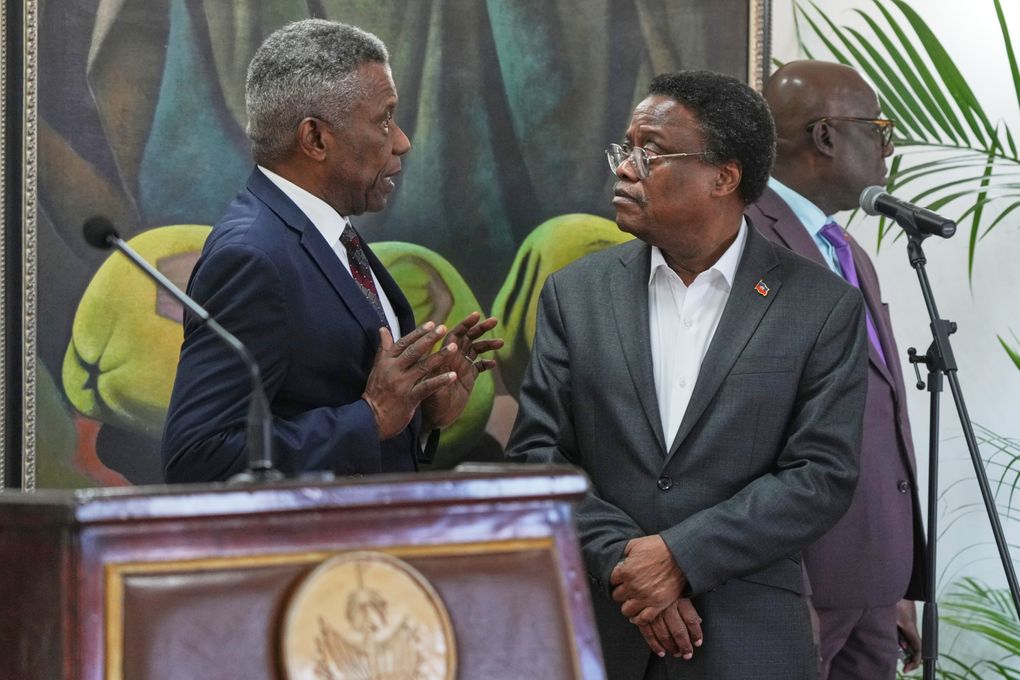
Haiti's transitional presidential council has recently approved an electoral law, a crucial step towards organizing a general election after nearly a decade. This decision allows the government to finalize and release an official electoral calendar, dispelling concerns that the council might delay the process to extend its own power. Council President Laurent Saint-Cyr emphasized the significance of this move in offering Haitian citizens the opportunity to democratically select their leaders and steer the country towards stability and legitimacy.
The approval of the electoral law comes amidst internal tensions within the council, with some members advocating for the removal of Prime Minister Alix Didier Fils-Aimé, including Fritz Alphonse Jean, who faced sanctions from the U.S. government. Speculations suggest that U.S. visa restrictions, such as those imposed on Jean, could be used as leverage to influence Haiti's political landscape. Despite the absence of three council members during the meeting where the electoral law was endorsed, the decision was seen as a pivotal moment in Haiti's transition of power, providing the necessary legal and political framework for conducting elections.
Council member Frinel Joseph, who supported the adoption of the electoral law, described it as a significant milestone in Haiti's journey towards democratic governance. The Provisional Electoral Council aims to conduct the first round of voting in August and the final round in December next year, although challenges like ongoing gang violence may impact the timeline. The transitional presidential council is expected to relinquish power by February 7 to pave the way for democratic governance, following the assassination of President Jovenel Moïse in 2021, which led to the establishment of the transitional council and subsequent appointment of prime ministers.
In conclusion, Haiti's progress towards organizing a general election after a prolonged period without one signifies a crucial step in restoring democratic processes and stability in the country. The approval of the electoral law by the transitional presidential council sets the stage for a new chapter in Haiti's political landscape, emphasizing the importance of free and fair elections in shaping the nation's future.