Enhanced Protections for Sharks and Rays: A Milestone in Conservation Efforts
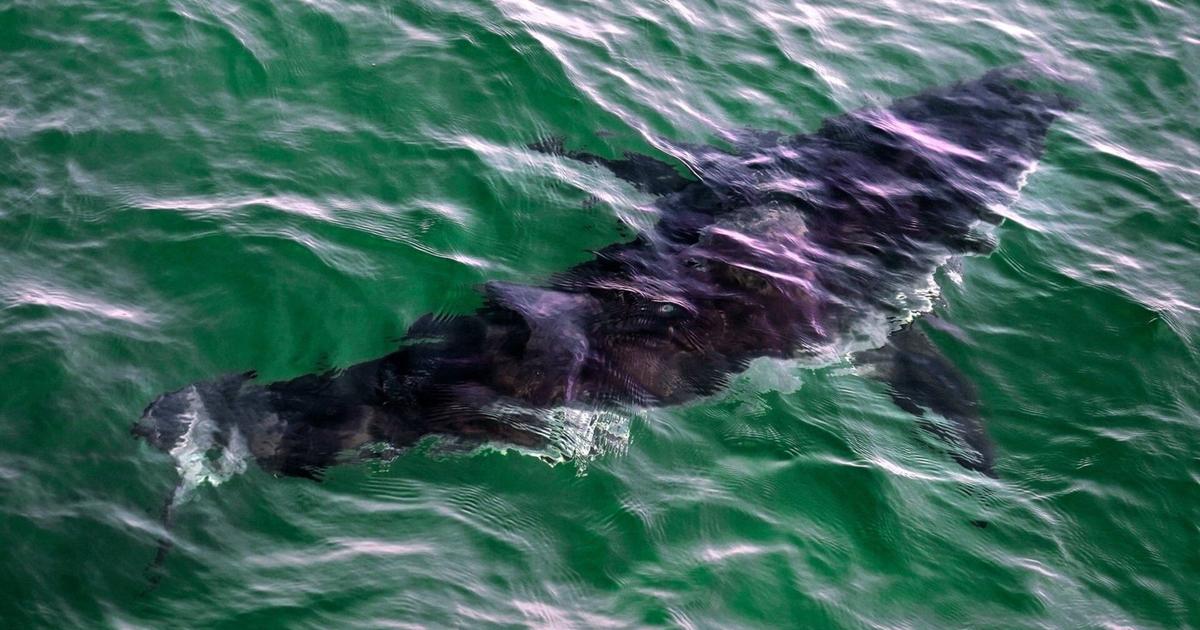
At a wildlife trade conference, governments have implemented enhanced protections for more than 70 species of sharks and rays due to fears of overfishing pushing some species towards extinction. The measures were agreed upon at the Convention on International Trade in Endangered Species of Wild Fauna and Flora in Uzbekistan. The new regulations prohibit the trade of oceanic whitetip sharks, manta and devil rays, and whale sharks. Additionally, stricter rules have been put in place for gulper sharks, smoothhound sharks, and the tope shark, allowing trade only if there is evidence that the sources are legal, sustainable, and traceable.
The decision to increase protections for these vulnerable species comes as a response to the growing threat of overfishing and exploitation. By banning the trade of certain species and imposing stricter regulations on others, governments aim to curb the decline in shark and ray populations and prevent them from being pushed to the brink of extinction. The measures adopted at the conference are a crucial step towards ensuring the long-term survival of these marine species and maintaining the balance of ocean ecosystems.
The adoption of these new protections marks a significant milestone in global efforts to conserve marine biodiversity and combat illegal wildlife trade. By addressing the threats faced by sharks and rays, governments are taking a proactive stance in safeguarding these vulnerable species and their habitats. The regulations put in place at the conference emphasize the importance of sustainable and responsible trade practices to ensure the survival of these iconic marine animals.
In conclusion, the decisions made at the wildlife trade conference to enhance protections for sharks and rays demonstrate a commitment to conservation and sustainability. By implementing measures to restrict the trade of certain species and regulate others more effectively, governments are taking a crucial step towards safeguarding marine biodiversity and preventing the overexploitation of vulnerable species. These efforts are essential in ensuring the long-term survival of sharks and rays and preserving the health of our oceans for future generations.