Burt Reynolds: A Cinematic Journey Through the Decades
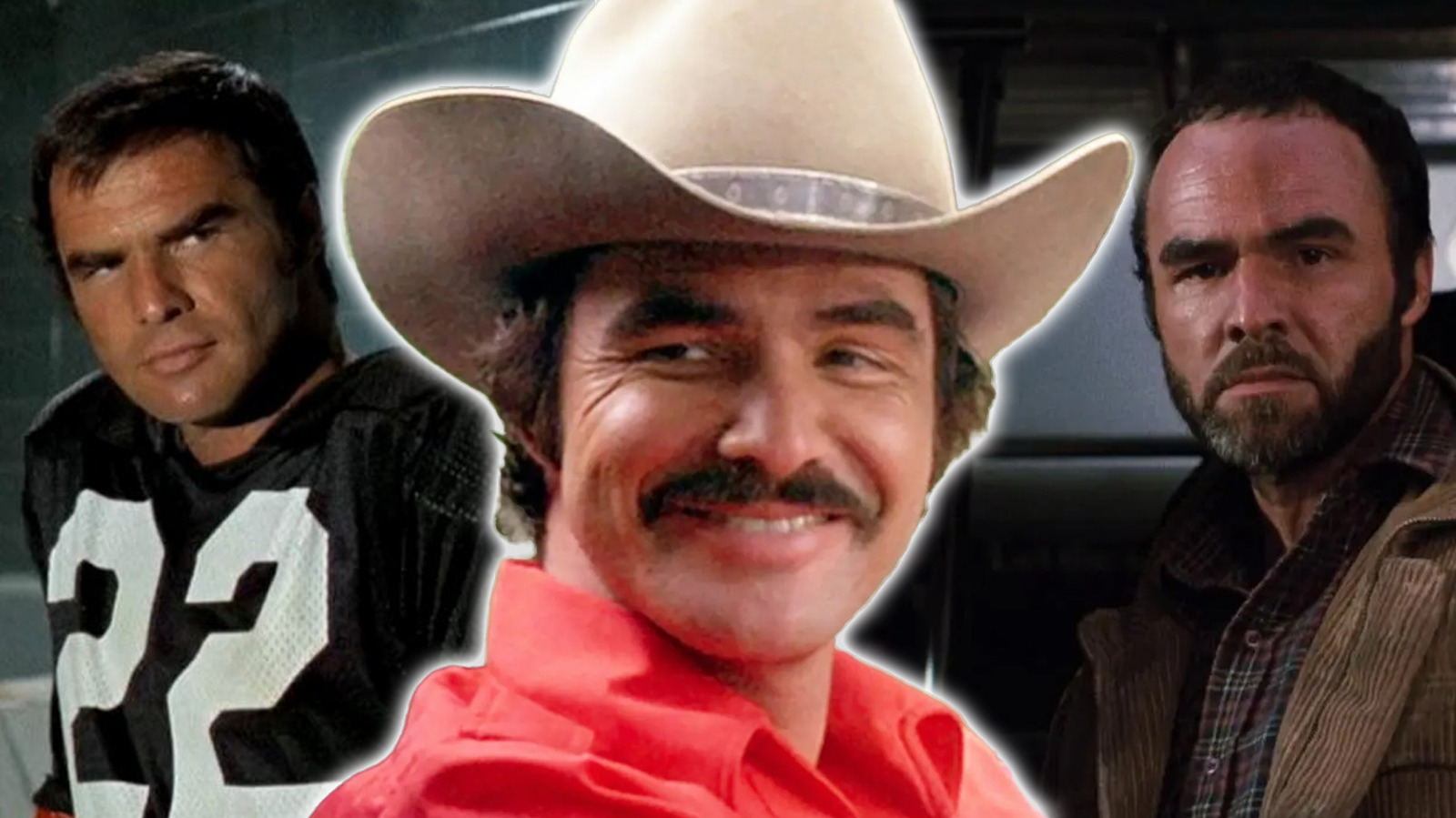
Burt Reynolds was a prominent box office star in the late 1970s and early 1980s, consistently ranking in the top ten for over a decade. His career began in the late 1950s, but it was the 1972 film "Deliverance" that catapulted him to fame. Reynolds excelled in action films, comedies, and became one of Hollywood's most bankable stars. Despite some career setbacks, he continued to deliver memorable performances, including an Oscar-nominated role in "Boogie Nights."
One of Reynolds' standout films is 1978's "The End," a darkly comic comedy where he plays a man diagnosed with a terminal illness who decides to end his life. The film showcases Reynolds' comedic and dramatic talents, with Dom DeLuise adding to the humor as a giddy schizophrenic. Despite its crass humor, the film remains a compelling watch with Reynolds' charismatic performance at its core.
In 1966, Reynolds starred in Sergio Corbucci's spaghetti western "Navajo Joe," a tale of revenge where he plays a Navajo man seeking vengeance against a Mexican gang. The film features Reynolds doing his own stunts and engaging action sequences, complemented by Ennio Morricone's aggressive score. Despite mixed reviews, Reynolds' performance and the film's stylish execution make it an entertaining watch.
Reynolds' directorial effort "Sharky's Machine" in 1981 blends action and drama as a detective becomes obsessed with a woman during a surveillance operation. The film's action sequences are well-crafted, but its strength lies in the character interactions and the charismatic performances of the cast. Reynolds' portrayal of the detective navigating a complex case adds depth to the film's noirish atmosphere.
In 1986, Reynolds starred in "Heat," portraying a legendary bodyguard in Las Vegas struggling with financial woes and gambling addiction. The film's melancholic tone and Reynolds' performance as a flawed protagonist offer a departure from typical 1980s excess. Despite its box office failure, "Heat" delivers a moody and charismatic narrative that showcases Reynolds' acting range.
"Hustle," released in 1975, reunites Reynolds with director Robert Aldrich in a grim and cynical portrayal of a homicide detective investigating a teenage girl's death. The film delves into themes of corruption and betrayal, with Reynolds delivering a nuanced performance amidst a morally ambiguous world. "Hustle" balances methodical pacing with emotionally charged moments, highlighting Reynolds' dramatic capabilities.
Reynolds' lesser-known film "Fade In" from 1968 tells a simple yet poignant story of a rancher's brief encounter with a young woman working on a film production. The film's intimate narrative explores unlikely connections and features Reynolds' acting talents in a heartfelt portrayal. Despite facing production challenges, "Fade In" remains a well-crafted and emotionally resonant film in Reynolds' filmography.
"White Lightning" from 1973 showcases Reynolds in a hicksploitation action film as a convict seeking revenge against a corrupt sheriff. The film's sweaty atmosphere and intense car action sequences add to its thrilling narrative, with Reynolds' charismatic performance driving the story forward. "White Lightning" captures the essence of 1970s action cinema with its high-octane energy and engaging plot.
In 1974, Reynolds starred in "The Longest Yard," a sports comedy-drama where he plays a pro football player turned convict leading a team of prisoners against prison guards in a football game. The film's blend of humor, drama, and suspense offers a compelling narrative, with Reynolds delivering a charismatic performance as the protagonist. "The Longest Yard" remains a classic sports film with memorable characters and engaging action sequences.
"The Best Little Whorehouse in Texas" from 1982 features Reynolds as a sheriff in a musical comedy celebrating fun, kindness, and Hollywood nostalgia. The film follows the sheriff and a brothel madam navigating moral scrutiny and threats to their establishment, with musical numbers adding to the film's charm. Reynolds' chemistry with Dolly Parton and the film's light-hearted approach make it an enjoyable and entertaining watch.